Food Processing and Cold Storage Roofing in Durham, NC
We handle food processing and cold storage roofing by starting with the roof evidence owners can act on: photos, access limits, drainage notes, wet-area clues, and the operating constraints around Downtown Durham storm-drain and rooftop-equipment density.
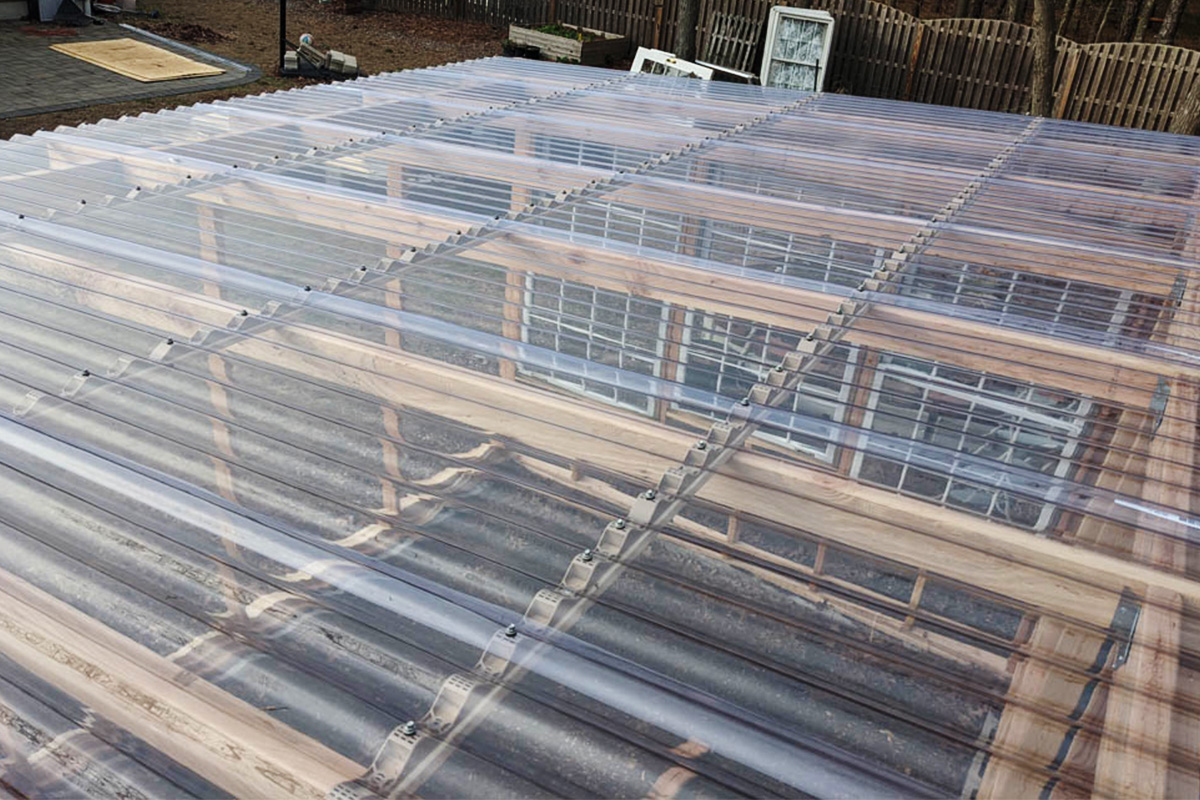
Fast answers still need roof evidence.
We tailor the scope to business continuity, tenant communication, access control, and the roof system already in place. Around Golden Belt and Brightleaf adaptive-reuse roof details and Research Triangle Park lab and office schedules, the right scope often depends on timing as much as material choice.
Start ReviewWhat gets checked.
We help facilities teams compare immediate repair pressure against long-term roof planning. The recommendation stays practical: what should be controlled now, what needs pricing, and what deserves a capital plan before the next weather window.
We look at membrane seams, roof drains, edge metal, penetrations, rooftop units, previous repairs, and safe access before pricing work.
What owners receive.
A written scope with photos, limits, schedule notes, and a practical recommendation for repair, recovery, coating, or replacement.
Contact UsRelated Roof Paths
Compare the next decision.
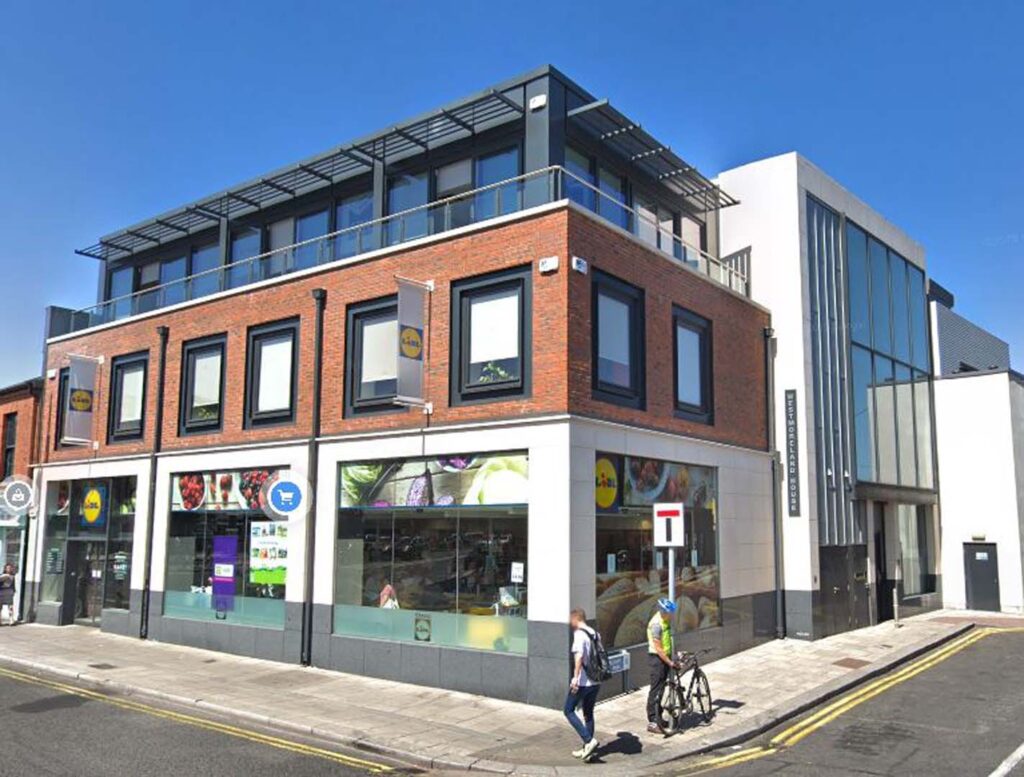
Property Management Firm Roofing
Property Management Firm Roofing starts with roof evidence around American Tobacco Campus roof access and tenant-hour limits. We keep roof communication direct for operators who need documentation, schedule discipline, and clear next steps.
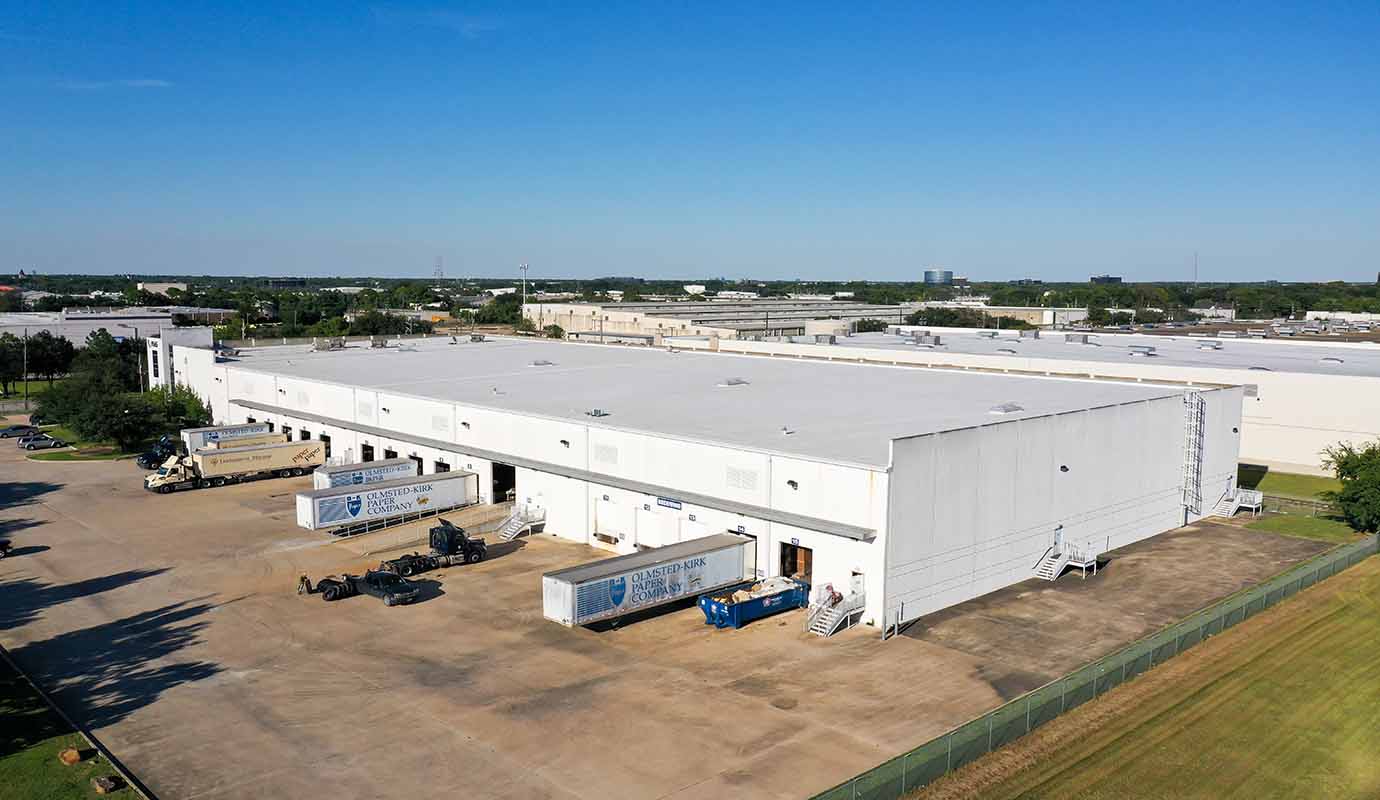
Commercial Real Estate and REIT Roofing
Commercial Real Estate and REIT Roofing starts with roof evidence around Research Triangle Park lab and office schedules. We keep roof communication direct for operators who need documentation, schedule discipline, and clear next steps.
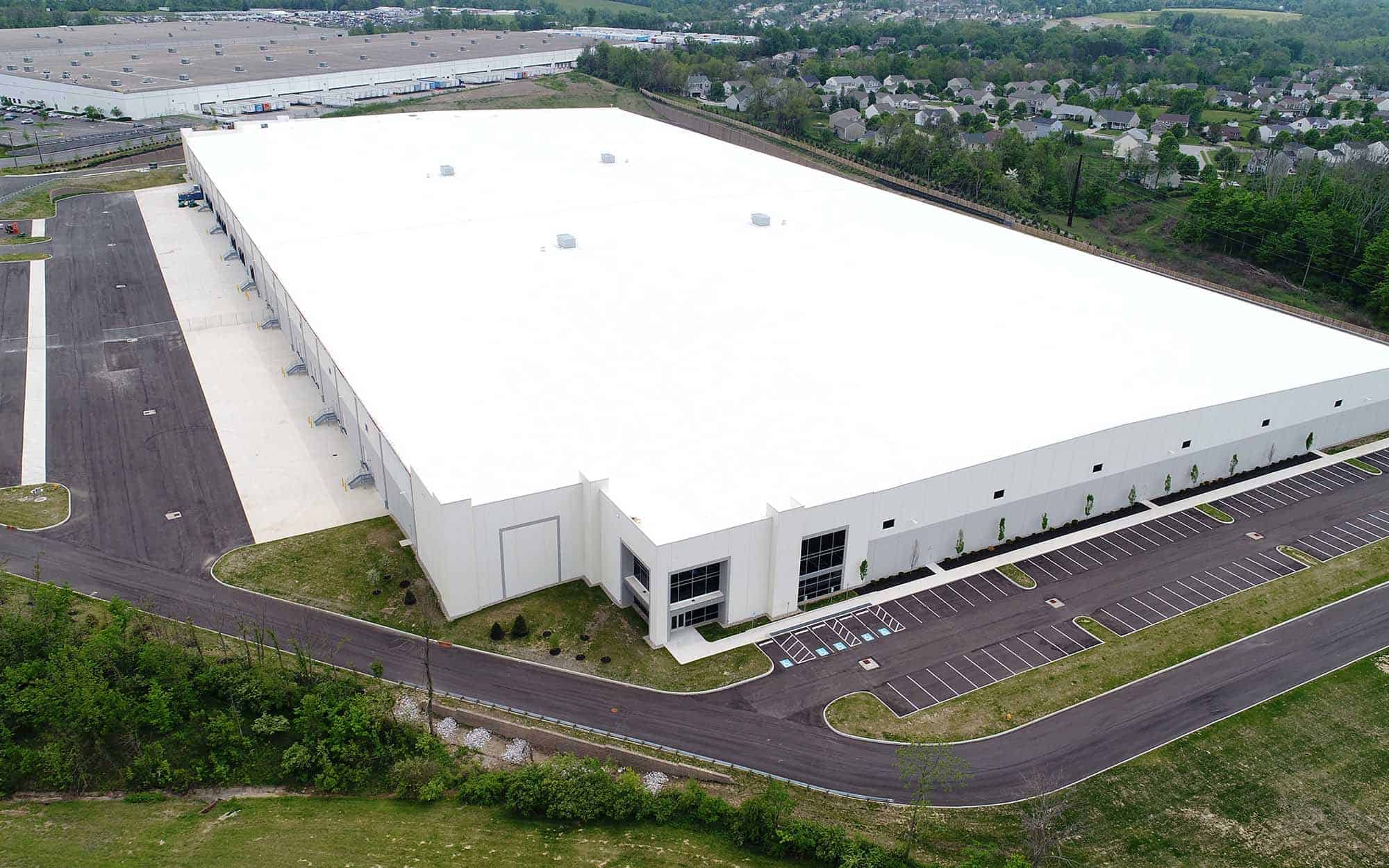
Logistics and 3PL Roofing
Logistics and 3PL Roofing starts with roof evidence around Treyburn and Ellis Road industrial roof areas. We tailor the scope to business continuity, tenant communication, access control, and the roof system already in place.
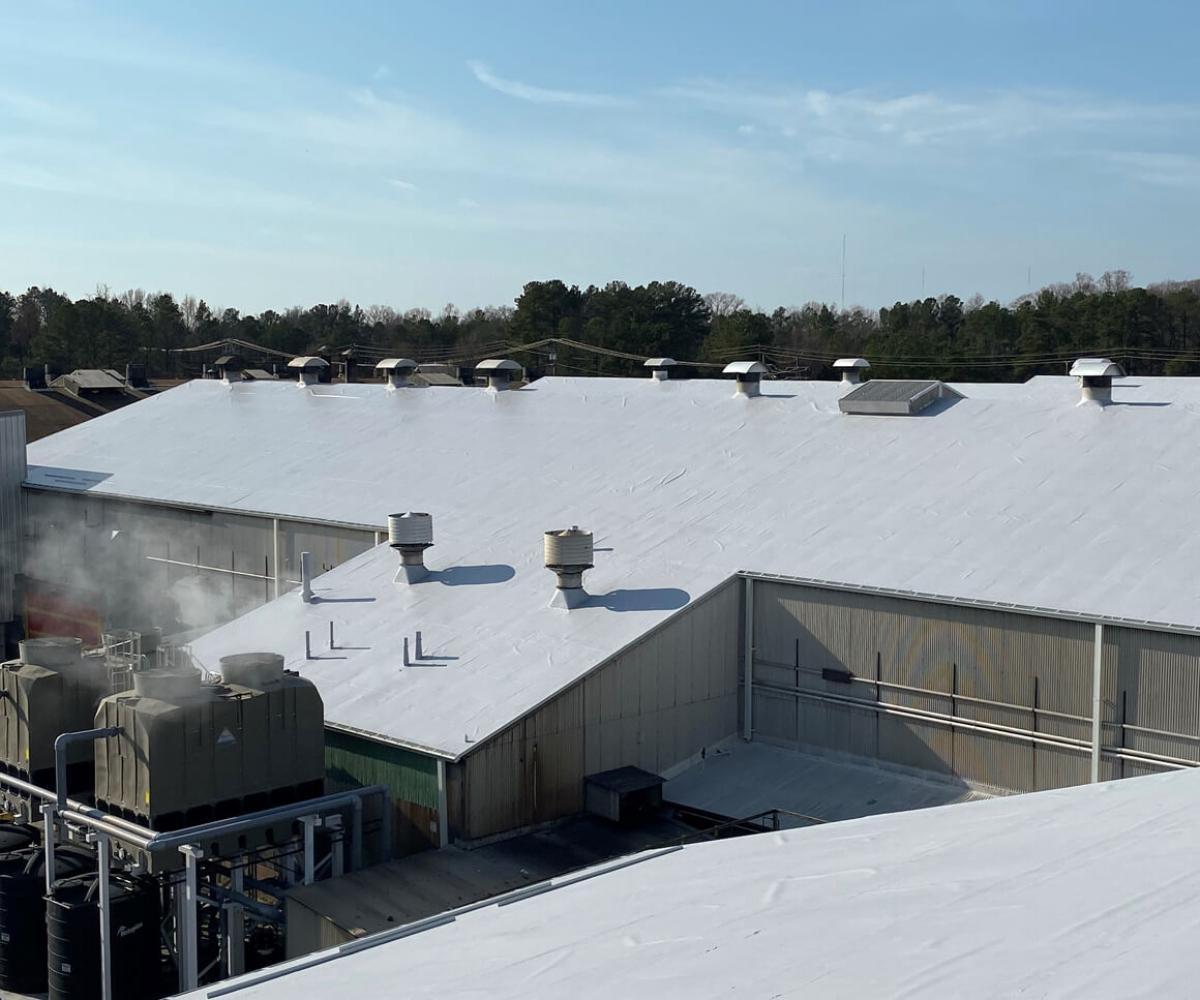
Manufacturing Operator Roofing
Manufacturing Operator Roofing starts with roof evidence around Research Triangle Park lab and office schedules. We help facilities teams compare immediate repair pressure against long-term roof planning.
Industries
Commercial Real Estate and REIT Roofing for commercial buildings across Durham, Research Triangle Park, Chapel Hill, Raleigh, and the greater Triangle commercial corridor.
Durham and the Research Triangle sit at an unexpected intersection of food science and commercial roofing demand. NC State University's food science program — one of the most respected in the country — supports a cluster of food research and pilot-scale manufacturing facilities that require the full range of food-grade roofing system performance. The Research Triangle's life science manufacturing sector, which overlaps significantly with food and beverage production, generates demand for roofing systems capable of meeting HACCP requirements, managing aggressive interior humidity, and supporting the sanitary design principles that food safety regulators increasingly apply to the building envelope as well as the production floor. The convergence of food research, contract manufacturing, and distribution activity in the Durham area creates a diverse and growing market for specialized food facility roofing services.
NC State's food science and processing research facilities represent a significant segment of Durham's food industry roofing demand. The university operates pilot-scale processing lines, fermentation facilities, and cold storage research units that require the same roofing standards as commercial production facilities but within an academic procurement framework. These facilities must meet HACCP design principles — which extend to the building envelope as a potential contamination pathway — while also accommodating the research modifications and equipment changes that academic operations require. Roofing contractors with food facility experience who can navigate university procurement processes are well-positioned to build long-term relationships with NC State's facilities management team, which maintains a large and continuously evolving portfolio of food science infrastructure.
HACCP principles have important implications for food facility roofing in the Durham area. Hazard Analysis and Critical Control Point frameworks, required for virtually all commercial food production under FDA and USDA oversight, treat the building envelope as part of the food safety system. A roof leak in a food processing facility isn't just a maintenance problem — it's a potential contamination event that can trigger regulatory action, product recall obligations, and facility shutdown. This means that food facility roofing in Durham must be specified and installed to a standard that minimizes the probability of any moisture infiltration at any point in the roof system's service life. Continuous vapor retarder installation, comprehensive penetration detailing, and seam quality programs that document weld integrity are not optional enhancements for food facilities — they are standard practice informed by regulatory expectations.
Vapor management is the central engineering challenge in food processing roofing across all Durham facilities. Commercial food production generates large quantities of water vapor — from cooking processes, washing and sanitation operations, refrigeration equipment cycling, and the steam-based pasteurization systems common in food manufacturing. This moisture-laden interior environment creates persistent upward vapor drive that will exploit any weakness in the roofing assembly. The vapor retarder must be specified for the specific interior conditions of the food facility — typically much more demanding than office or standard industrial environments — and must be installed on the warm side of the insulation with continuous coverage extending around all penetrations and transitions. Spray polyurethane foam systems have gained traction in food facility roofing in North Carolina for their ability to provide both insulation and seamless vapor control in a single application.
Durham's climate creates a specific vapor management challenge because the region's summer outdoor humidity is already high before accounting for the additional moisture load from food processing operations. When outdoor dew points are above 70°F — a common condition in Durham from May through September — the vapor drive from inside a cooled food production space toward the warm, humid exterior is less predictable in direction than in drier climates. This bidirectional or seasonally reversing vapor drive condition means that vapor control design for Durham food facilities must account for both summer and winter vapor dynamics, which may favor different vapor retarder approaches for different sections of a complex food plant roof. Hygrothermal analysis using Durham climate data and facility-specific interior conditions is the most reliable basis for vapor retarder specification in this environment.
Cold storage roofing represents the most technically demanding segment of Durham's food industry roofing market. Research Triangle food facilities that include frozen or refrigerated storage — whether as part of production operations or as distribution staging — require roofing systems designed for the extreme thermal gradient between the controlled low-temperature interior and the warm, humid North Carolina exterior. This gradient drives intense vapor pressure toward the cold storage space, and any moisture that enters the roofing assembly will freeze within the insulation, degrading thermal performance and over time causing significant structural damage. Cold storage roofing systems require a vapor retarder with very low permeability, placed on the warm side of the insulation, with penetrations reduced to an absolute minimum and each remaining penetration detailed with extraordinary care.
The Research Triangle's food contract manufacturing and biofermentation sector adds a layer of highly specialized food facility roofing demand. Contract manufacturers producing nutraceuticals, functional food ingredients, and biotechnology-derived food additives operate facilities that combine pharmaceutical-grade cleanroom requirements with food production's HACCP obligations. Roofing systems for these facilities must meet both sets of standards — which overlap substantially but differ in certain specific requirements — and must be installed without introducing contamination risks during the construction process. Controlled-environment construction protocols, including air filtration, worker hygiene requirements, and cleaning verification before facility occupancy, are standard practice for roofing work on pharmaceutical-grade food production facilities in the RTP area.
Weather considerations in Durham add urgency to food facility roof maintenance. The region's spring and summer severe storm season delivers hail events that can damage roofing membranes without creating immediately visible leaks. A hail-impacted roof over a food production facility may perform adequately through a dry summer but fail during the first heavy rainfall of fall, potentially contaminating production equipment or stored product. Post-hail storm inspections with thermal infrared scanning are a best practice for food facility operators in Durham, allowing damage identification and repair before it creates a food safety incident. Roofing contractors who can mobilize for this rapid post-storm assessment service — and who understand the food safety context that makes prompt response essential — provide real value to food facility operators in the Research Triangle.
Drainage system performance is a critical consideration for Durham food facility roofing. Flat or low-slope roofs on food processing buildings must drain completely and quickly after rainfall events. Standing water on a food facility roof creates multiple risks: additional dead load stress on the roof structure, accelerated membrane degradation from prolonged moisture contact, and a potential water source for roof-level contamination that could affect interior food production. Roof drain sizing, placement, and maintenance at food facilities in Durham must account for the region's intense summer thunderstorms, which can deliver several inches of rain in a short period. Internal drain systems with properly sized overflow provisions, maintained clear of debris and functional at all times, are the appropriate drainage specification for food production roofs in this market.
Preventive maintenance for Durham food facility roofs should align with both the regional weather calendar and the operational schedule of the food production facility. Many food plants in the Research Triangle operate with scheduled maintenance shutdowns — typically in winter for NC State research facilities and during product changeover periods for commercial manufacturers. Coordinating major roofing maintenance work with these production shutdown periods minimizes the disruption risk to food production operations and allows roofing crews to work more efficiently without the access restrictions that active production imposes. Contractors who develop an understanding of their food facility clients' operational calendars and plan maintenance work around those schedules build stronger, more trusted relationships that support long-term service contracts.
Frequently Asked Questions
What roofing membrane is best suited for food processing facilities in Durham?
TPO and spray polyurethane foam (SPF) systems are the most commonly specified membranes for Durham food facilities. TPO offers excellent seam integrity and reflective performance suited to North Carolina's warm climate, while SPF provides seamless coverage that eliminates the seam failure risks that HACCP compliance demands. The right choice depends on facility geometry, interior conditions, and the specific food safety regulatory framework the operation must meet. A roofing contractor with food facility experience can evaluate these factors and recommend the appropriate system for each specific building.
How does Durham's humidity affect food plant roofing performance?
Durham's high summer humidity — outdoor dew points regularly above 70°F from May through September — creates strong vapor pressure differentials between food plant interiors and the outdoor environment. Without a continuous, properly specified vapor retarder installed on the warm side of the roofing insulation, moisture will migrate into the assembly and degrade insulation performance over time. Food facilities that add vapor load from cooking, washing, or steam processing have even higher interior humidity levels, increasing the vapor drive and the importance of proper vapor control design.
Are HACCP requirements relevant to roofing system selection?
Yes. HACCP frameworks treat the entire building envelope — including the roof — as part of the food safety system. A roof that allows any water infiltration into a food production space is a potential contamination pathway that inspectors will identify during facility audits. Roofing systems for food facilities must be specified and installed to eliminate moisture infiltration risk, not just meet standard commercial performance expectations. Specifying a food-appropriate roofing system and maintaining documented inspection records supports the facility's HACCP compliance posture.
How often should a food processing facility roof be inspected in Durham?
Twice annually at minimum — once in spring following winter weather season and once in fall following the summer severe storm season. Post-hail storm inspections using thermal infrared scanning should be added whenever a significant hail event affects the facility. Food facility operators should also conduct visual inspections following any heavy rainfall event to identify drainage issues or visible membrane damage. A comprehensive annual inspection with infrared scanning provides the most complete picture of roofing system condition and allows planned maintenance to address issues before they become emergency repairs.
What should food facility operators look for when selecting a roofing contractor in Durham?
Experience with food grade facilities is the most important qualification — ideally including specific examples of HACCP-compliant roofing projects and familiarity with FDA and USDA food facility inspection expectations. FM system approval and the ability to provide manufacturer-backed warranties are important. Contractors should also demonstrate vapor retarder design capability, post-storm inspection services, and the ability to coordinate with food plant operations teams to schedule work without compromising production or food safety compliance. Local references from other food facility operators in the Research Triangle area are the most direct evidence of relevant capability.