Commercial Roof Leak Repair in Durham, NC
We handle commercial roof leak repair by starting with the roof evidence owners can act on: photos, access limits, drainage notes, wet-area clues, and the operating constraints around Golden Belt and Brightleaf adaptive-reuse roof details.
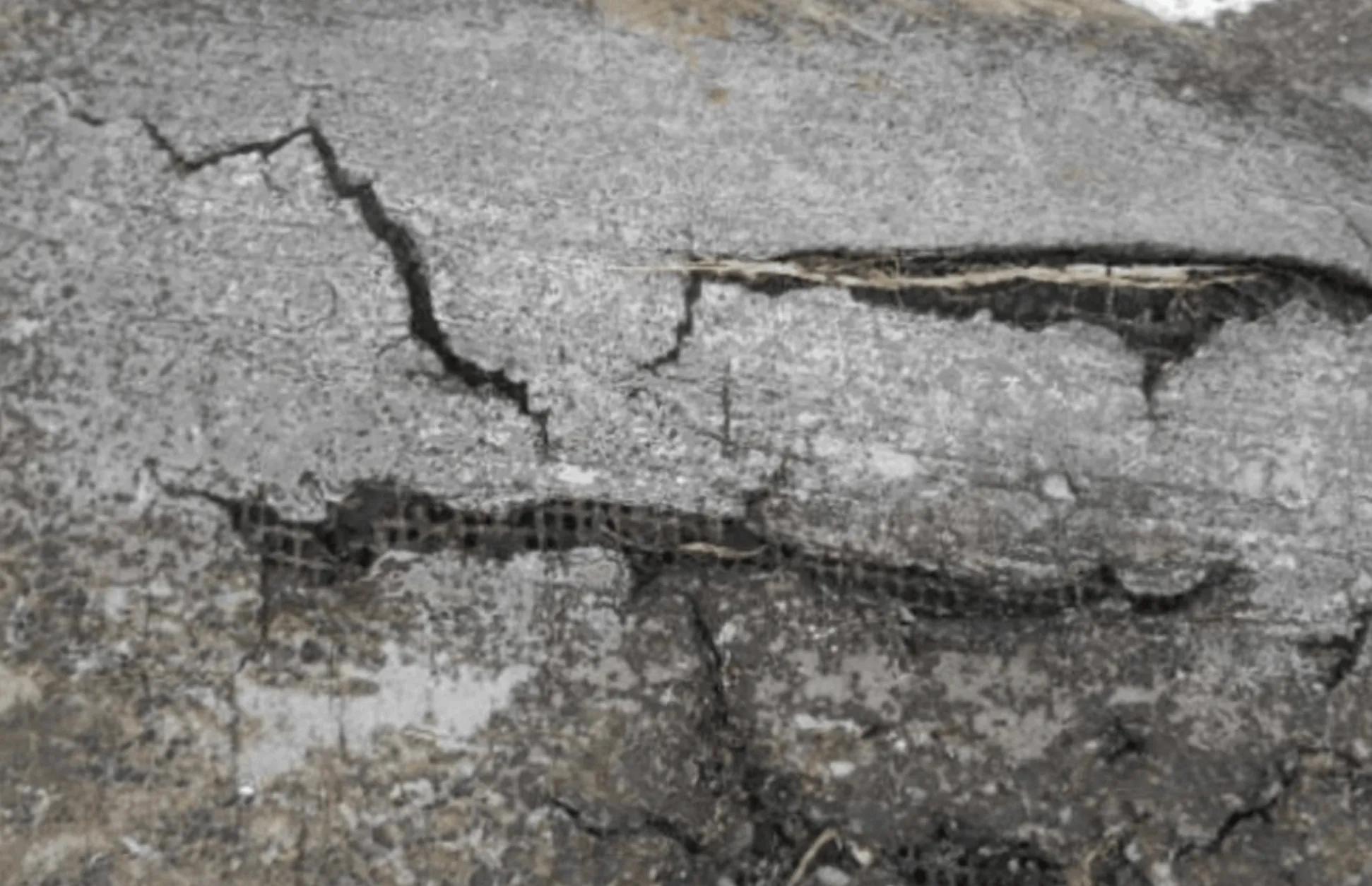
Fast answers still need roof evidence.
We document the roof condition in plain language so ownership can choose repair, recovery, coating, or replacement with fewer surprises. Around Research Triangle Park lab and office schedules and RDU Airport-area logistics and loading access, the right scope often depends on timing as much as material choice.
Start ReviewWhat gets checked.
We plan the work around active tenants, roof access, weather exposure, and the actual system already on the building. The recommendation stays practical: what should be controlled now, what needs pricing, and what deserves a capital plan before the next weather window.
We look at membrane seams, roof drains, edge metal, penetrations, rooftop units, previous repairs, and safe access before pricing work.
What owners receive.
A written scope with photos, limits, schedule notes, and a practical recommendation for repair, recovery, coating, or replacement.
Contact UsRelated Roof Paths
Compare the next decision.
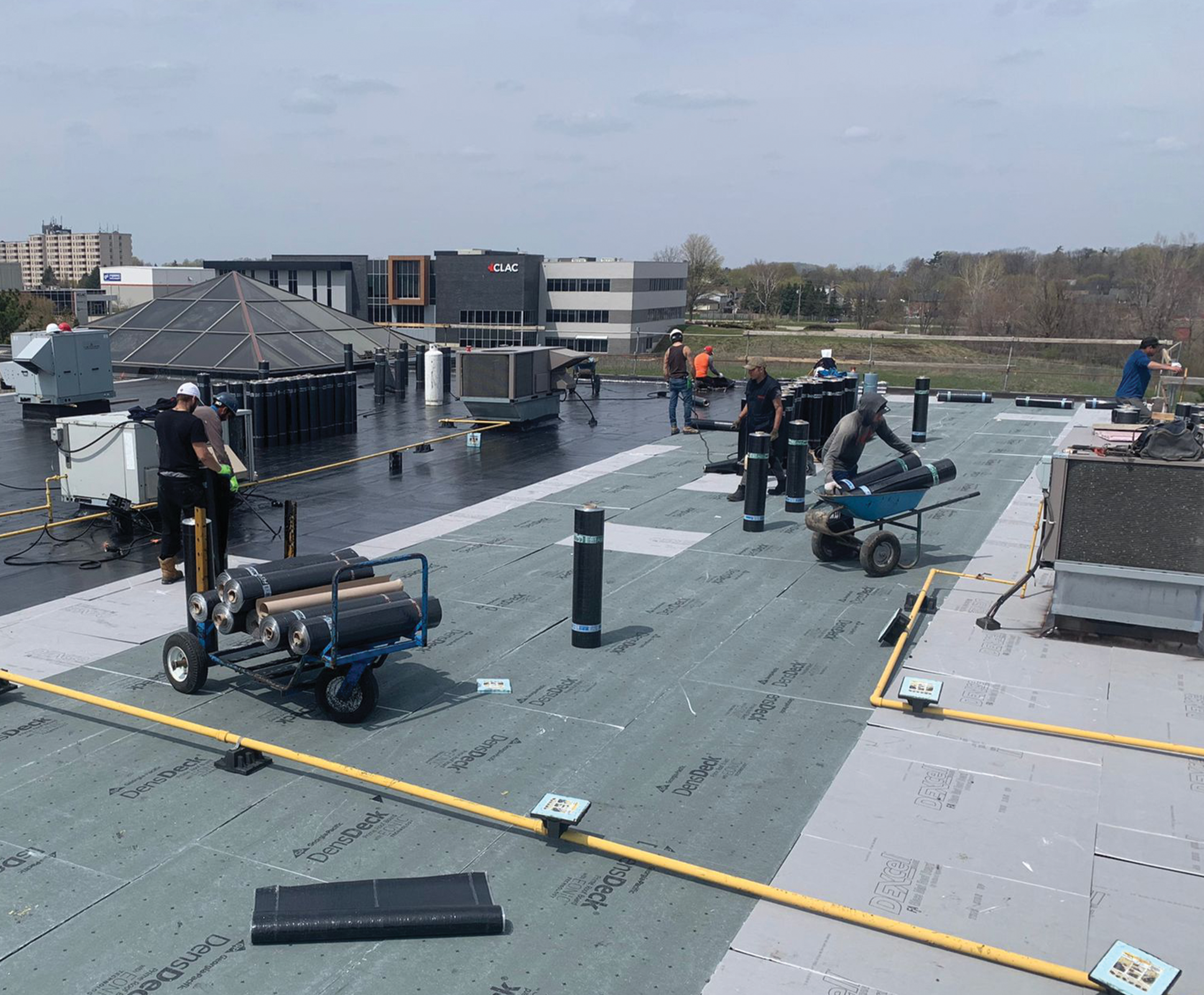
Commercial Roofing
Commercial Roofing starts with roof evidence around Duke Health and Duke University occupied-building constraints. We separate the leak, access, schedule, and material questions before a recommendation is priced.
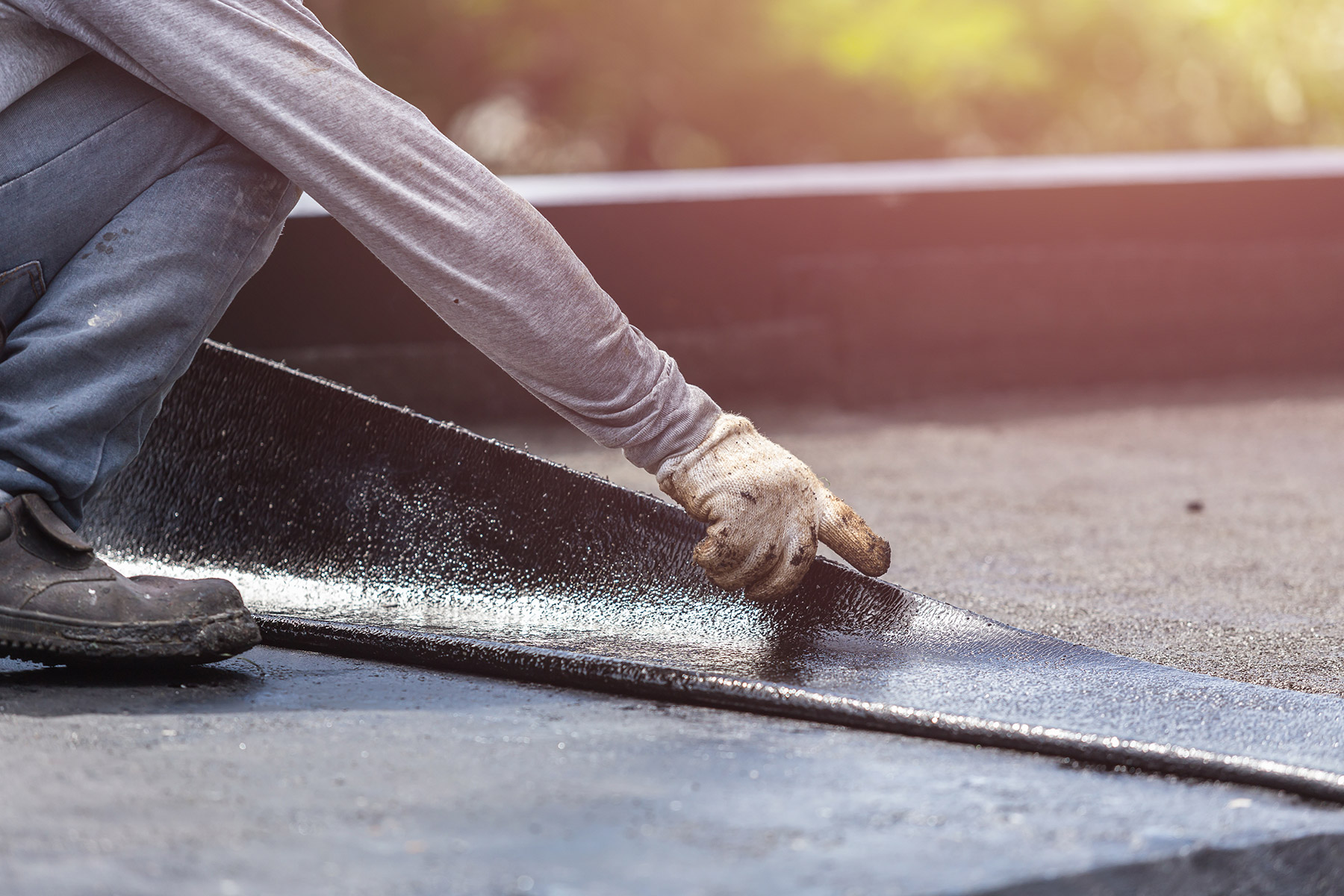
Commercial Roof Replacement
Commercial Roof Replacement starts with roof evidence around humid Piedmont summers and quick freeze-thaw swings. We plan the work around active tenants, roof access, weather exposure, and the actual system already on the building.
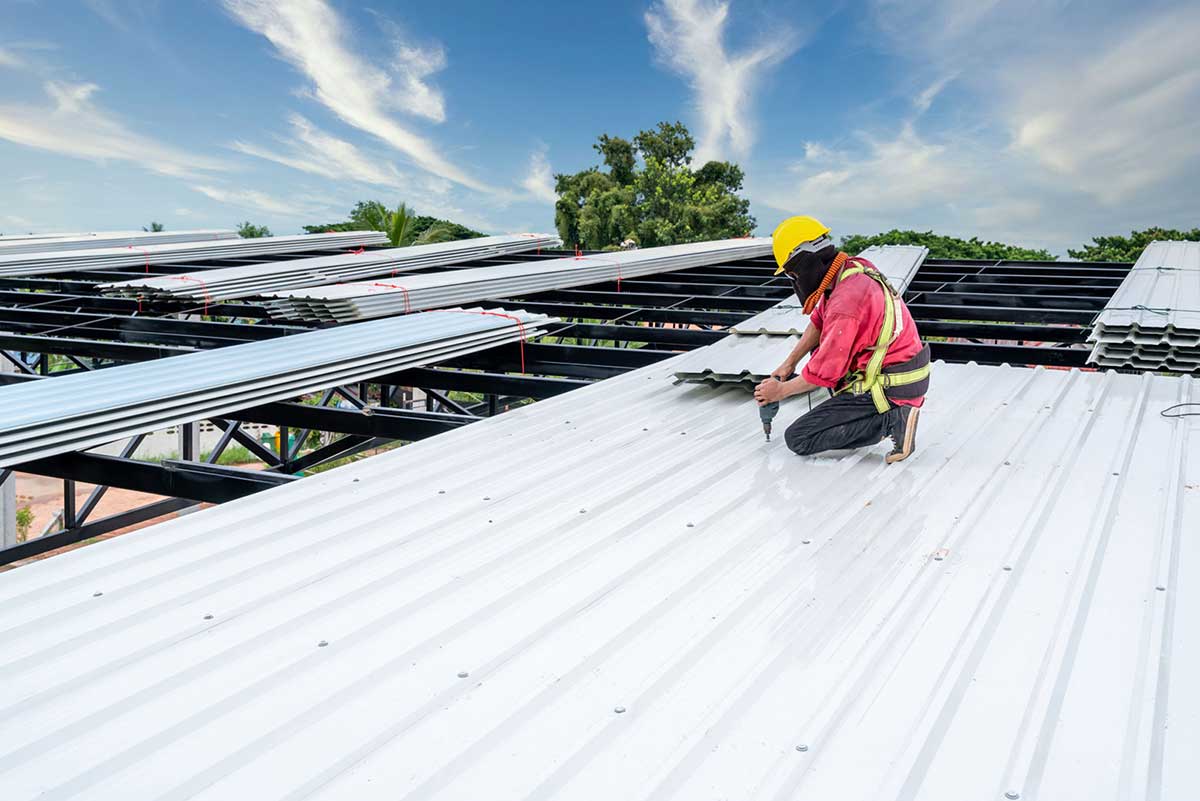
Commercial Re-Roofing
Commercial Re-Roofing starts with roof evidence around American Tobacco Campus roof access and tenant-hour limits. We plan the work around active tenants, roof access, weather exposure, and the actual system already on the building.
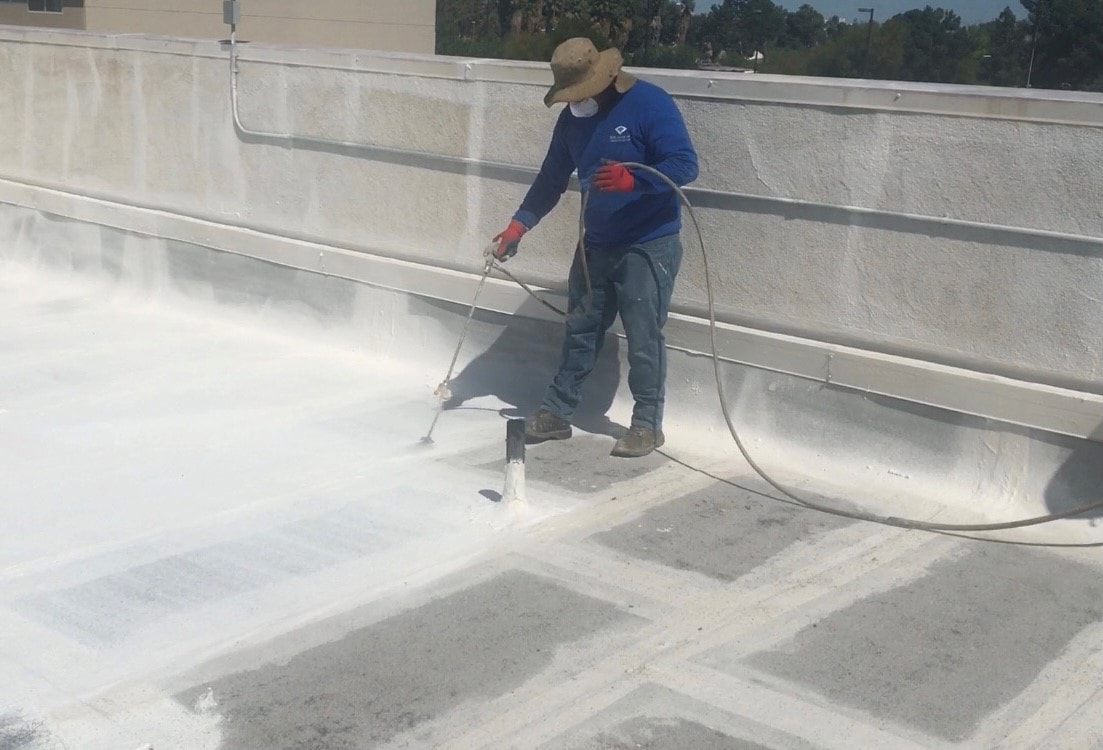
Commercial Roof Coatings
Commercial Roof Coatings starts with roof evidence around humid Piedmont summers and quick freeze-thaw swings. We document the roof condition in plain language so ownership can choose repair, recovery, coating, or replacement with fewer surprises.
Services
Commercial Roof Leak Repair for commercial buildings across Durham, Research Triangle Park, Chapel Hill, Raleigh, and the greater Triangle commercial corridor.
Leak repair calls in Durham follow a pattern that's almost calendrical. The first spike runs from late April through May when spring convective storms return — the fast-moving cells that drop 1-2 inches in 30 minutes and expose every compromised seam and flashing. The second and more sustained spike runs June through September, when the Triangle's combination of heat, humidity, and afternoon thunderstorm frequency puts commercial roofs under constant wet-dry cycling. Then comes the third spike in September and October, when tropical storm remnants move inland from the Atlantic and deliver the kind of sustained, wind-driven rainfall that finds leak paths that dry-weather inspections miss entirely. If you have a compromised flashing or a seam that's 80 percent sealed, a hurricane remnant will find it when a regular afternoon storm wouldn't.
The most important thing to understand about commercial roof leaks is that the interior damage location and the roof failure location are almost never directly above each other. Water enters the roof system at a failure point — a seam, a flashing termination, a cracked pipe boot — and then travels horizontally along the top of the deck, through the insulation, and along structural members before it finds a path through the ceiling. On a low-slope commercial building in RTP or along the Ellis Road warehouse corridor, we've traced interior ceiling damage back to entry points 30, 40, even 60 feet away. Calling a repair contractor and asking them to "fix the leak above the stain" is asking them to treat a symptom rather than a cause. Source identification is the work.
Source identification starts from the roof surface, not from below. We examine the interior stain pattern and use it to establish a probable travel direction, then go to the roof and work systematically from the stain's upslope side toward the high points — drains, penetrations, flashings, parapets, and HVAC curbs. We probe seam edges and lap terminations. We check pitch pockets for cracked fill. We look at pipe boot collars for UV-cracked neoprene, which is the most common single point-source of building leaks on commercial roofs in the Triangle. A neoprene pipe boot that was installed in 2002 has been through 22-plus years of Durham summers and UV exposure — the material has a finite service life, and most of them are past it.
Temporary dry-in before permanent repair is sometimes necessary when a building owner needs immediate moisture protection while the source investigation is still underway, or when weather doesn't allow the full repair to be executed properly. A temporary dry-in using roof repair fabric and a compatible coating system can stop active infiltration and give the building's interior time to dry before permanent work begins. We're explicit with clients about what temporary work covers and what it doesn't — a temporary patch is not a permanent repair, it doesn't extend the roof warranty, and the permanent repair should follow within a defined window. Temporary patches left for years become the next generation of leak problems.
EPDM seam repairs on older RTP office buildings and downtown Durham commercial properties require correct adhesive chemistry and surface preparation. A seam that has separated because the original lap adhesive has dried and lost tack can't be reliably re-adhered without removing the old adhesive residue and preparing the bonding surfaces correctly. We've seen "leak repairs" done with a strip of uncured EPDM lap tape slapped over a separated seam without prep — it holds for one season and then lifts at the edges when the next summer's thermal cycling works the seam. The repair takes longer when done correctly, but it actually addresses the failure rather than masking it.
TPO and PVC membrane repairs — the dominant systems on commercial buildings constructed after 2000 — are done by hot-air welding a patch membrane over the damaged area after surface preparation. The quality of a hot-air weld repair is largely a function of the operator's skill and the equipment calibration. A patch applied at the wrong temperature or with incorrect pressure leaves an apparent repair that failed at the weld line in the first significant rainfall. We test every welded repair with a probe or seam probe tool before we leave the roof — a weld that fails a probe test gets redone before we report the repair complete.
Modified bitumen repair on the older commercial building inventory — Warehouse District buildings, older retail centers near Southpoint, institutional buildings at NCCU and Durham Tech — involves torch application or cold-applied patch systems depending on the proximity to combustible materials and the building's hot-work permit policy. Many occupied commercial buildings in Durham prohibit open-flame torch work without a hot-work permit and fire watch, which adds administrative steps to torch repairs. We carry current hot-work credentials and work within the building owner's safety program requirements. Cold-applied modified bitumen patches are an appropriate alternative when torch work isn't permitted, and we specify the right system for the conditions rather than defaulting to torch because it's faster.
Documentation of leak repairs matters more than most building owners realize at the time of repair. A written record of where the leak entered, what caused it, what repair was performed, and what the repair warrants gives the property manager a defensible record if the same location leaks again — is it a new failure, a repair failure, or a related but distinct problem? Documentation also informs future maintenance priorities: a building that has had three seam repairs in the same zone over five years has a pattern that points toward membrane end of life in that area rather than isolated failures. We provide a written repair report with photos for every commercial leak repair we execute, regardless of the size of the job.
Knowing when a repair scope has crossed into replacement territory is a judgment call that a good contractor should make transparently. A building with active leaks at 15 different locations, widespread membrane oxidation, multiple failed pipe boots, and a saturated insulation layer in three zones isn't a repair candidate — it's a replacement. We will tell you that directly, show you the documentation, and give you a replacement scope. What we won't do is execute a repair scope that we know is buying three months instead of three years, collect the repair fee, and come back next spring to do it again. That business model works once and then the client is gone. We'd rather lose the repair job and earn the replacement.
Questions Owners Ask
Directional wind-driven rain is the most common explanation. A seam failure or flashing gap on a north-facing parapet may only admit water when rainfall is accompanied by northerly winds — routine afternoon storms from the southwest don't load that exposure. Hurricane remnants and nor'easter-pattern storms that come from the northeast or east create fundamentally different roof loading conditions than the standard Triangle convective storm, which is why a roof that "never leaks" can suddenly have multiple active infiltrations during a September tropical event. The repair scope should address all identified failure points, not just the ones that showed up in the last storm.
The ceiling stain you see after a storm represents water that has already traveled through the roof system, through the insulation, and through the deck or ceiling plane — it's not a leading indicator, it's a lagging one. That means the infiltration has likely been happening for multiple events before it became visible at the ceiling. The urgency is real: every wet-dry cycle in the insulation compresses and degrades it, and if the deck is steel, corrosion is progressing at the entry point even when it's dry. We treat new interior moisture reports as priority calls during storm season — same-week response — because the damage clock is running whether or not you see active dripping.
Most repeat-leak situations after a prior repair fall into one of three categories: the wrong source location was repaired (common when contractors skip the systematic source investigation and go straight to the stain location on the ceiling); the repair technique was improper for the membrane type (cold-process adhesive over a contaminated EPDM surface, un-probed TPO welds, pitch pocket re-fill without removing old fill down to clean substrate); or multiple failure points exist and only one was addressed. We start every repair engagement by reviewing any prior repair documentation, going back to first principles on source identification, and explicitly scoping all identified failure points — not just the most visible one.
It depends on the warranty type and the cause of the leak. Manufacturer material and workmanship warranties cover defects in the roofing system itself — membrane failures, seam failures attributable to installation error, material defects. They generally do not cover damage caused by third-party contractors working on the roof after installation (a common cause of punctures and flashing disturbance), storm damage beyond normal weather exposure, or neglected maintenance. If you have an active warranty, we'll review it before executing any repair and advise whether the repair should be a warranty claim rather than a direct-pay repair. Filing a warranty claim incorrectly can actually complicate future claims on the same system.
The decision framework we use is remaining useful life versus repair cost. A roof with 8-10 years of remaining life where a $2,000-3,000 repair addresses a discrete failure is clearly worth repairing. A roof at year 18 of a 20-year membrane with widespread seam fatigue, multiple simultaneous failure points, and compressed insulation in several zones is probably past the point where repair makes economic sense — each repair is buying diminishing time at increasing cumulative cost. We'll give you an honest assessment of where on that spectrum your roof sits. If replacement is the right answer, we'll tell you, and if it can wait 18 months while you budget for it, we'll tell you that too.
Commercial Roofing of Durham
Questions Owners Ask
Why does my roof only seem to leak during certain storms, not every rain event?
Directional wind-driven rain is the most common explanation. A seam failure or flashing gap on a north-facing parapet may only admit water when rainfall is accompanied by northerly winds — routine afternoon storms from the southwest don't load that exposure. Hurricane remnants and nor'easter-pattern storms that come from the northeast or east create fundamentally different roof loading conditions than the standard Triangle convective storm, which is why a roof that "never leaks" can suddenly have multiple active infiltrations during a September tropical event. The repair scope should address all identified failure points, not just the ones that showed up in the last storm.
I found water stains on ceiling tiles after a storm. How urgent is it to get someone up there?
The ceiling stain you see after a storm represents water that has already traveled through the roof system, through the insulation, and through the deck or ceiling plane — it's not a leading indicator, it's a lagging one. That means the infiltration has likely been happening for multiple events before it became visible at the ceiling. The urgency is real: every wet-dry cycle in the insulation compresses and degrades it, and if the deck is steel, corrosion is progressing at the entry point even when it's dry. We treat new interior moisture reports as priority calls during storm season — same-week response — because the damage clock is running whether or not you see active dripping.
My last contractor patched the roof and it still leaks. How is your repair different?
Most repeat-leak situations after a prior repair fall into one of three categories: the wrong source location was repaired (common when contractors skip the systematic source investigation and go straight to the stain location on the ceiling); the repair technique was improper for the membrane type (cold-process adhesive over a contaminated EPDM surface, un-probed TPO welds, pitch pocket re-fill without removing old fill down to clean substrate); or multiple failure points exist and only one was addressed. We start every repair engagement by reviewing any prior repair documentation, going back to first principles on source identification, and explicitly scoping all identified failure points — not just the most visible one.
Does my roof warranty cover leak repairs?
It depends on the warranty type and the cause of the leak. Manufacturer material and workmanship warranties cover defects in the roofing system itself — membrane failures, seam failures attributable to installation error, material defects. They generally do not cover damage caused by third-party contractors working on the roof after installation (a common cause of punctures and flashing disturbance), storm damage beyond normal weather exposure, or neglected maintenance. If you have an active warranty, we'll review it before executing any repair and advise whether the repair should be a warranty claim rather than a direct-pay repair. Filing a warranty claim incorrectly can actually complicate future claims on the same system.
Is it worth repairing an older commercial roof, or should I just replace it?
The decision framework we use is remaining useful life versus repair cost. A roof with 8-10 years of remaining life where a $2,000-3,000 repair addresses a discrete failure is clearly worth repairing. A roof at year 18 of a 20-year membrane with widespread seam fatigue, multiple simultaneous failure points, and compressed insulation in several zones is probably past the point where repair makes economic sense — each repair is buying diminishing time at increasing cumulative cost. We'll give you an honest assessment of where on that spectrum your roof sits. If replacement is the right answer, we'll tell you, and if it can wait 18 months while you budget for it, we'll tell you that too.