Commercial Roof Coatings in Durham, NC
We handle commercial roof coatings by starting with the roof evidence owners can act on: photos, access limits, drainage notes, wet-area clues, and the operating constraints around Treyburn and Ellis Road industrial roof areas.
Fast answers still need roof evidence.
We plan the work around active tenants, roof access, weather exposure, and the actual system already on the building. Around humid Piedmont summers and quick freeze-thaw swings and NC-147 and I-40 service-window planning, the right scope often depends on timing as much as material choice.
Start ReviewWhat gets checked.
We separate the leak, access, schedule, and material questions before a recommendation is priced. The recommendation stays practical: what should be controlled now, what needs pricing, and what deserves a capital plan before the next weather window.
We look at membrane seams, roof drains, edge metal, penetrations, rooftop units, previous repairs, and safe access before pricing work.
What owners receive.
A written scope with photos, limits, schedule notes, and a practical recommendation for repair, recovery, coating, or replacement.
Contact UsRelated Roof Paths
Compare the next decision.
Commercial Roofing
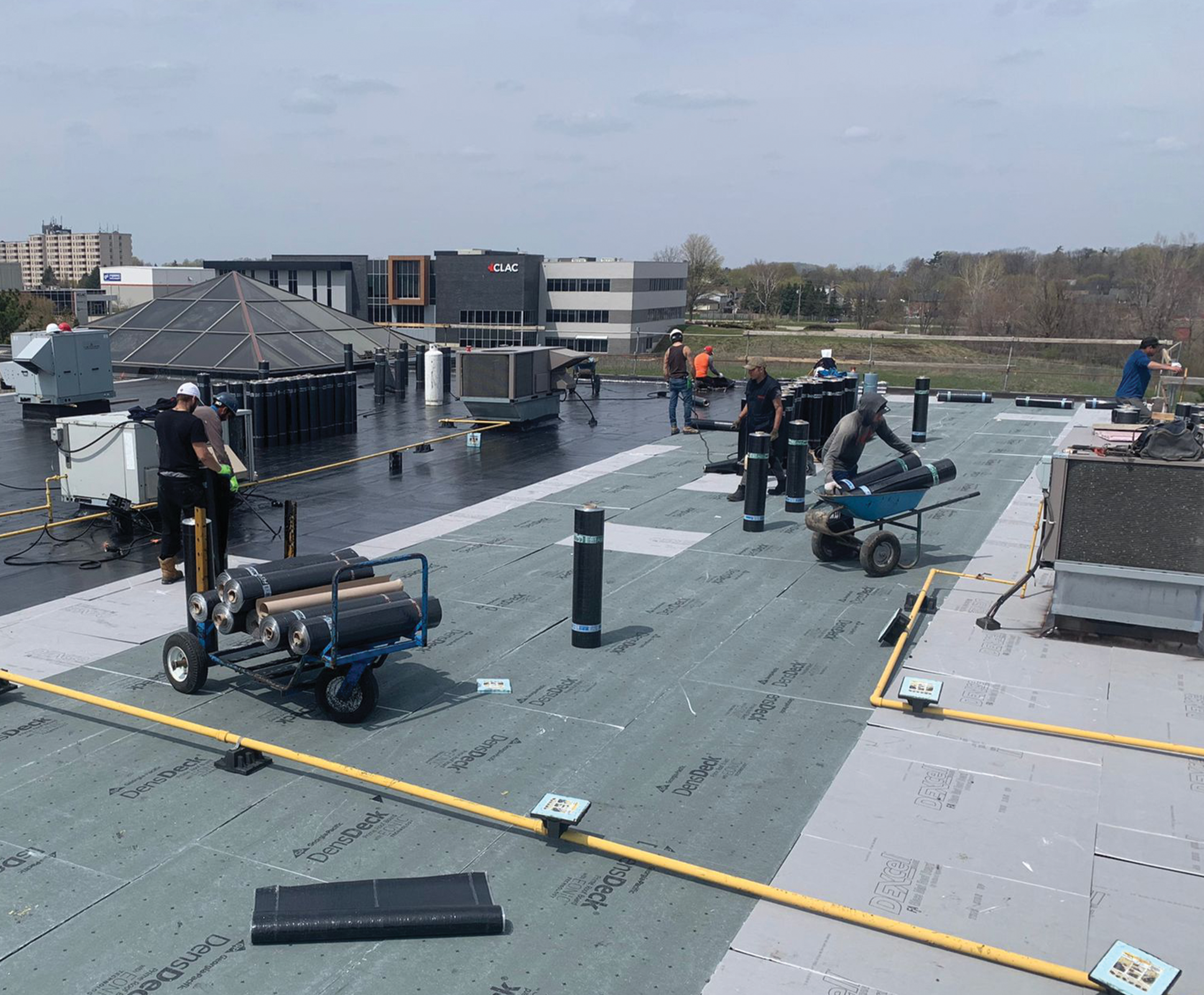
Commercial Roofing starts with roof evidence around Duke Health and Duke University occupied-building constraints. We separate the leak, access, schedule, and material questions before a recommendation is priced.
Commercial Roof Leak Repair
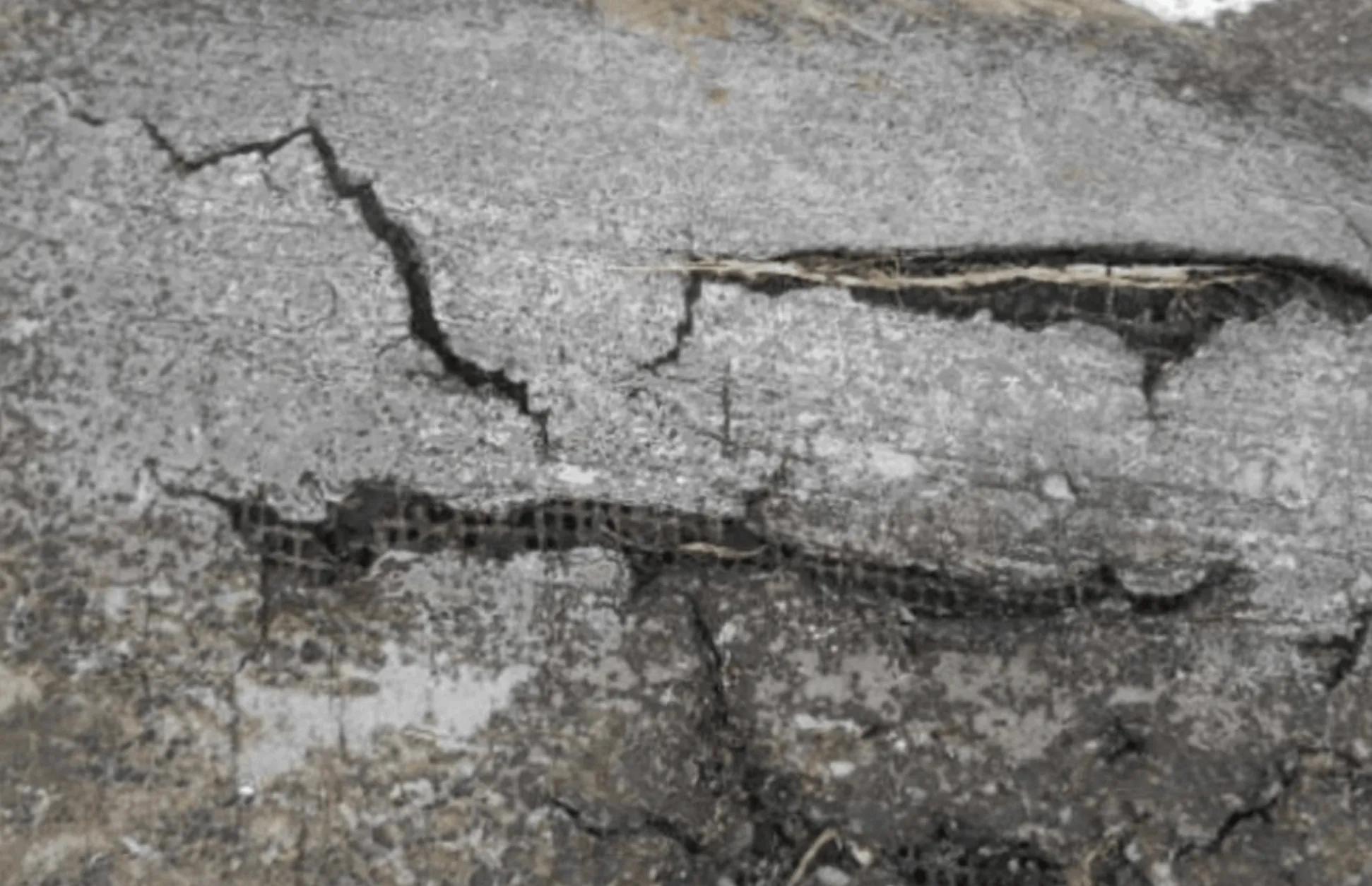
Commercial Roof Leak Repair starts with roof evidence around NC-147 and I-40 service-window planning. We document the roof condition in plain language so ownership can choose repair, recovery, coating, or replacement with fewer surprises.
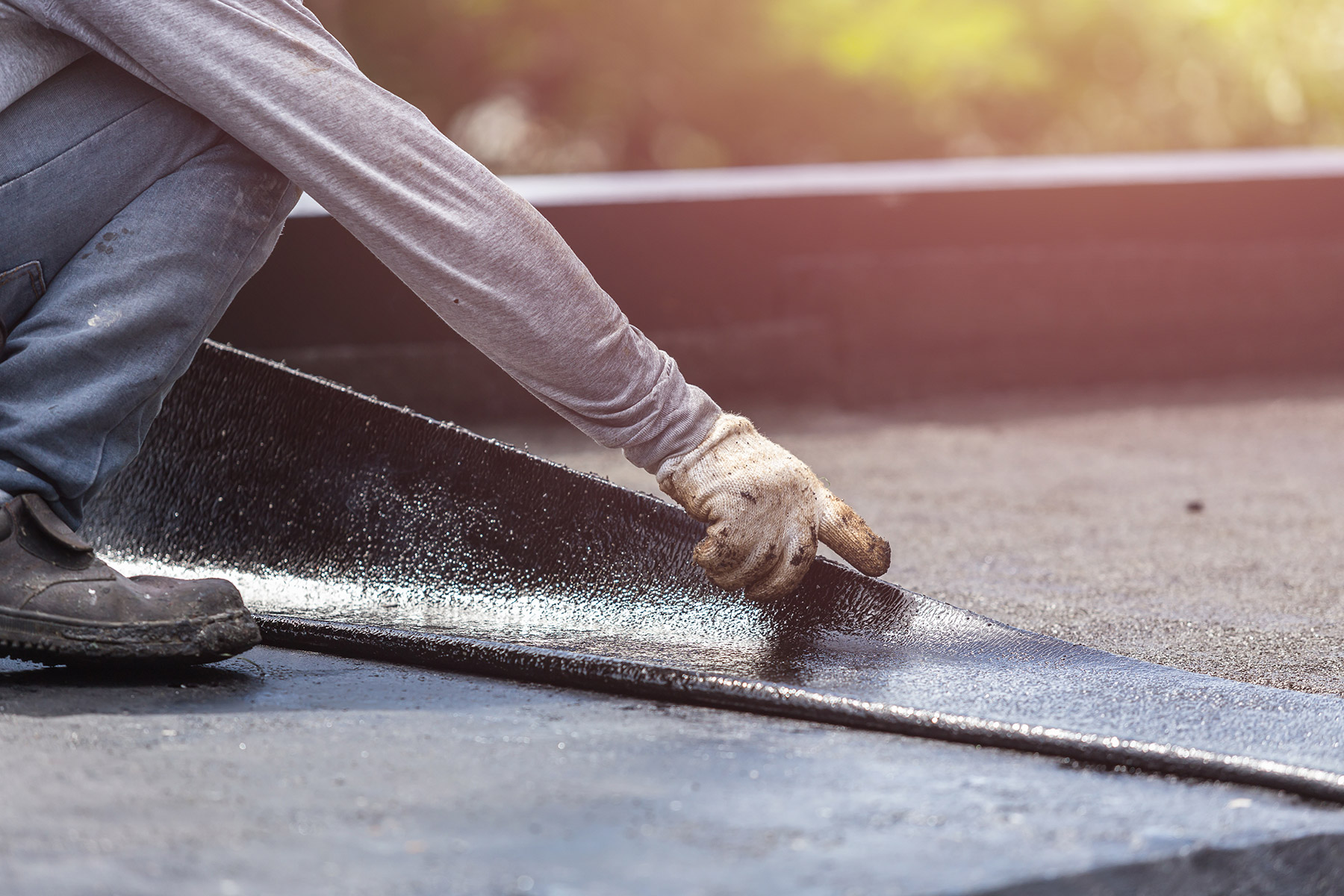
Commercial Roof Replacement
Commercial Roof Replacement starts with roof evidence around American Tobacco Campus roof access and tenant-hour limits. We separate the leak, access, schedule, and material questions before a recommendation is priced.
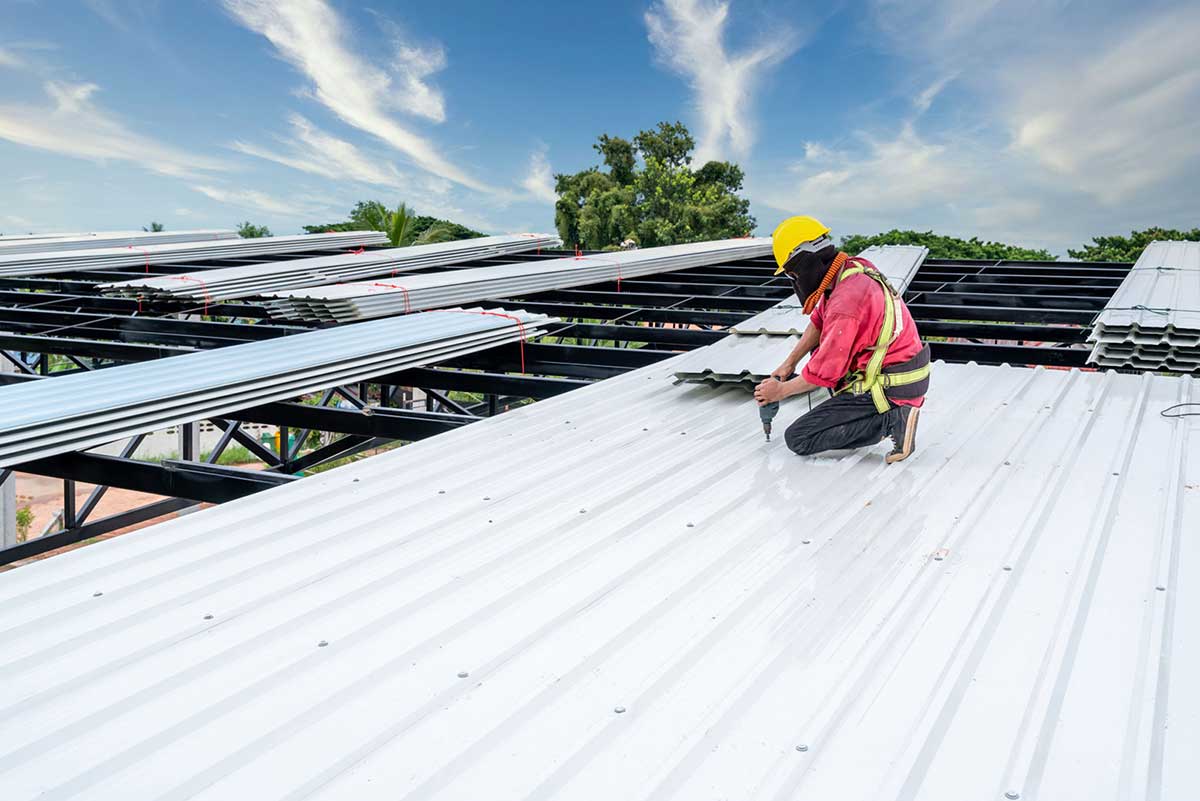
Commercial Re-Roofing
Commercial Re-Roofing starts with roof evidence around Research Triangle Park lab and office schedules. We separate the leak, access, schedule, and material questions before a recommendation is priced.
Services
Commercial Roof Coatings for commercial buildings across Durham, Research Triangle Park, Chapel Hill, Raleigh, and the greater Triangle commercial corridor.
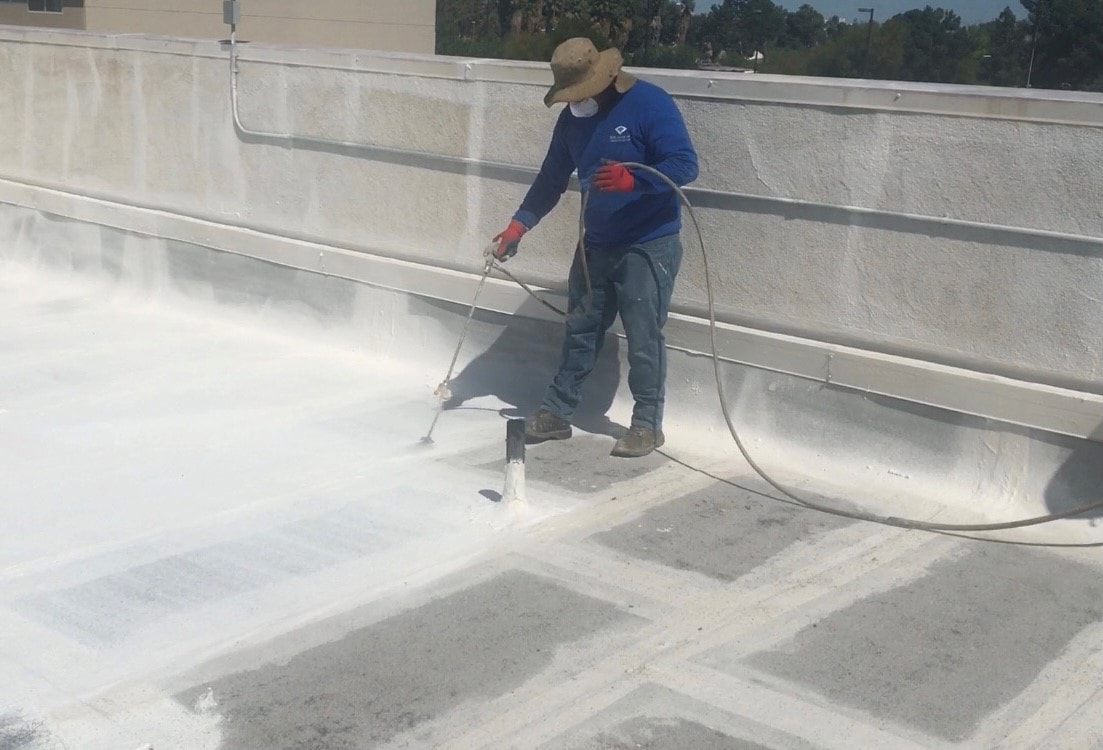
A roof coating is not a roof replacement — and being clear about that distinction is the most important thing we do before any coating proposal. Elastomeric coatings applied over existing membranes can extend service life, seal minor surface deterioration, and improve reflectivity, but only when the substrate they're going over is structurally sound and free of active moisture infiltration. We turn down coating jobs regularly because the building owner wants a coating solution on a roof that needs tear-off. That conversation is uncomfortable, but it's better than selling a coating that fails in 18 months because it was applied over a wet substrate.
When the substrate conditions are right, coatings are genuinely cost-effective. A single-ply membrane that has surface chalking, minor seam wear, and a few isolated areas of concern — but dry insulation confirmed by core cuts — is a strong coating candidate. The coating seals the surface oxidation, reinforces seam areas with fabric embed, and adds a reflective layer that improves the building's thermal performance. On commercial buildings along the Ellis Road and Miami Boulevard corridors where owners are managing a portfolio of older assets and trying to defer capital expenditure, a well-executed coating job on the right substrate buys 7–12 years of additional service life at a fraction of re-roofing cost.
Silicone, acrylic, and urethane coatings each have different performance profiles. Silicone is the best choice for Durham's flat commercial roofs because it handles ponding water — silicone maintains its waterproofing properties under sustained water contact, while acrylic will soften and lose adhesion if water sits on it for extended periods. After a slow-moving hurricane remnant drops three inches on an RTP campus building, water can stand on a low-slope roof for 12–24 hours. Acrylic coating on a ponding roof in that scenario is a liability. We default to silicone on flat commercial applications in the Triangle unless the roof has positive drainage confirmed by a survey.
Acrylic coatings have their place on sloped commercial surfaces — retail buildings with positive slope, low-slope roofs with confirmed drainage, and applications where recoatability and ease of touch-up are priorities. Acrylic dries faster than silicone and is more forgiving in application. It's also less expensive per gallon. On a building where ponding isn't a risk and the owner wants the reflective cool-roof benefit without the silicone price point, acrylic is a legitimate option. The application window matters though — acrylic needs dry conditions to cure, and Durham's spring and fall rain patterns require careful scheduling.
Urethane coatings occupy a middle position — better abrasion resistance than either silicone or acrylic, which makes them the right call for roofs with high foot traffic or rooftop equipment service activity. On a Durham office building with rooftop HVAC access routes and multiple maintenance trades walking the roof several times a year, a urethane base coat under a silicone topcoat is a specification that addresses both the traffic wear and the ponding water vulnerability. We use urethane as a base coat on aggressive applications rather than as a standalone system on most commercial projects.
Surface preparation is where coating jobs succeed or fail. A coating applied over a contaminated, chalky, or wet surface won't bond properly — and a coating that delaminates from the substrate has accomplished nothing except adding a layer of peeling material to an already deteriorated roof. Our coating preparation sequence includes pressure washing, primer application on the membrane type (silicone primer on TPO and EPDM, direct application protocols on modified bitumen), and fabric reinforcement at all seams, penetration flashings, and detail areas before the full coating is applied. The fabric reinforcement step is not optional — seams get reinforced before the field coat goes down, not after.
Coating thickness is specified in mils and verified with wet film gauges during application. A silicone system specified at 30 mils total — two coats of 15 mils each — needs to actually be 30 mils, not 20 mils stretched across the same area to save material. We document application rates by tracking material usage against square footage. A contractor who applies a coating job at half the specified thickness is selling a 5-year coating as a 10-year coating, and the building owner has no way to know the difference until it fails. We provide application documentation with every coating job.
Coatings on older commercial buildings in Durham's historic districts — the Brightleaf District, the American Tobacco area, buildings near the Durham Central Park corridor — sometimes address more than just waterproofing. A white or light-gray silicone coating over a dark modified bitumen or EPDM surface changes the thermal character of the building's roof significantly, which tenants in upper-floor spaces often notice. On mixed-use buildings where upper-floor residential or creative office tenants are sensitive to summer heat, the reflectivity upgrade from coating an existing dark membrane is a tangible quality-of-life improvement, not just an energy number on paper.
Questions Owners Ask
The two tests that matter most are insulation moisture content and structural membrane integrity. We take core cuts to assess whether the insulation is dry — wet insulation under a coating seals in the moisture and accelerates deterioration. We also probe seams and inspect the field membrane for delamination, shrinkage, or widespread ply separation. A roof with dry insulation, sound membrane, and surface-level wear is a good coating candidate. A roof with wet insulation or structural membrane failure is a replacement candidate regardless of how it looks from the surface.
Silicone maintains its waterproofing properties under sustained water contact — it's the correct choice for flat roofs that hold water after rain events. Acrylic softens and can re-emulsify under prolonged water exposure, making it unsuitable for ponding applications. Acrylic dries faster, is easier to touch up, and costs less per gallon — it's the right call for sloped surfaces with confirmed positive drainage. In Durham's climate, where low-slope roofs regularly see ponding after heavy rain events, silicone is our default recommendation for flat commercial applications.
On a substrate in the appropriate condition, a properly applied elastomeric coating system adds 7–12 years of service life. That range depends on coating thickness, product quality, substrate type, and maintenance. A silicone system applied at full specified thickness with fabric reinforcement at seams will consistently perform toward the long end of that range. A thin-applied system on a substrate that was borderline at time of application will fail early. Maintenance recoats — a single topcoat applied at the mid-life point — can extend the coating system's performance another 7–10 years before full re-roofing becomes necessary.
Most elastomeric coatings are compatible with the common commercial substrates — TPO, EPDM, modified bitumen, BUR, and metal roofing — but compatibility varies by product and substrate. EPDM requires specific primer before silicone coating application; unprimed EPDM won't bond properly. Silicone over silicone requires the existing coating to be clean and properly scuffed. Asphalt-based substrates (mod-bit and BUR) have compatibility considerations with some silicone products. We confirm compatibility between the coating product and the existing substrate before proposing any coating system.
After a coating installation, we recommend annual inspections to catch any areas where the coating has abraded, cracked, or delaminated — typically at high-traffic zones, around penetration flashings, and at parapet edges. Minor damage areas are touched up with compatible coating material before they become active leaks. At the mid-life point — typically 5–7 years into a 10-year coating — a maintenance topcoat application resets the surface and extends the system's performance. This two-phase approach (initial coating plus mid-life recoat) is substantially more cost-effective over a 15-year period than a single heavy application with no maintenance.
Commercial Roofing of Durham
Questions Owners Ask
How do I know if my roof qualifies for a coating or needs replacement?
The two tests that matter most are insulation moisture content and structural membrane integrity. We take core cuts to assess whether the insulation is dry — wet insulation under a coating seals in the moisture and accelerates deterioration. We also probe seams and inspect the field membrane for delamination, shrinkage, or widespread ply separation. A roof with dry insulation, sound membrane, and surface-level wear is a good coating candidate. A roof with wet insulation or structural membrane failure is a replacement candidate regardless of how it looks from the surface.
What's the difference between silicone and acrylic coatings?
Silicone maintains its waterproofing properties under sustained water contact — it's the correct choice for flat roofs that hold water after rain events. Acrylic softens and can re-emulsify under prolonged water exposure, making it unsuitable for ponding applications. Acrylic dries faster, is easier to touch up, and costs less per gallon — it's the right call for sloped surfaces with confirmed positive drainage. In Durham's climate, where low-slope roofs regularly see ponding after heavy rain events, silicone is our default recommendation for flat commercial applications.
How long does a coating extend the life of a commercial roof?
On a substrate in the appropriate condition, a properly applied elastomeric coating system adds 7–12 years of service life. That range depends on coating thickness, product quality, substrate type, and maintenance. A silicone system applied at full specified thickness with fabric reinforcement at seams will consistently perform toward the long end of that range. A thin-applied system on a substrate that was borderline at time of application will fail early. Maintenance recoats — a single topcoat applied at the mid-life point — can extend the coating system's performance another 7–10 years before full re-roofing becomes necessary.
Can a coating be applied over any type of existing roofing membrane?
Most elastomeric coatings are compatible with the common commercial substrates — TPO, EPDM, modified bitumen, BUR, and metal roofing — but compatibility varies by product and substrate. EPDM requires specific primer before silicone coating application; unprimed EPDM won't bond properly. Silicone over silicone requires the existing coating to be clean and properly scuffed. Asphalt-based substrates (mod-bit and BUR) have compatibility considerations with some silicone products. We confirm compatibility between the coating product and the existing substrate before proposing any coating system.
What does roof coating maintenance look like after installation?
After a coating installation, we recommend annual inspections to catch any areas where the coating has abraded, cracked, or delaminated — typically at high-traffic zones, around penetration flashings, and at parapet edges. Minor damage areas are touched up with compatible coating material before they become active leaks. At the mid-life point — typically 5–7 years into a 10-year coating — a maintenance topcoat application resets the surface and extends the system's performance. This two-phase approach (initial coating plus mid-life recoat) is substantially more cost-effective over a 15-year period than a single heavy application with no maintenance.