Acrylic and Silicone Roof Restoration in Durham, NC
We handle acrylic and silicone roof restoration by starting with the roof evidence owners can act on: photos, access limits, drainage notes, wet-area clues, and the operating constraints around Research Triangle Park lab and office schedules.
Fast answers still need roof evidence.
We separate the leak, access, schedule, and material questions before a recommendation is priced. Around RDU Airport-area logistics and loading access and Southpoint retail traffic and phased staging, the right scope often depends on timing as much as material choice.
Start ReviewWhat gets checked.
We document the roof condition in plain language so ownership can choose repair, recovery, coating, or replacement with fewer surprises. The recommendation stays practical: what should be controlled now, what needs pricing, and what deserves a capital plan before the next weather window.
We look at membrane seams, roof drains, edge metal, penetrations, rooftop units, previous repairs, and safe access before pricing work.
What owners receive.
A written scope with photos, limits, schedule notes, and a practical recommendation for repair, recovery, coating, or replacement.
Contact UsRelated Roof Paths
Compare the next decision.
Commercial Roofing
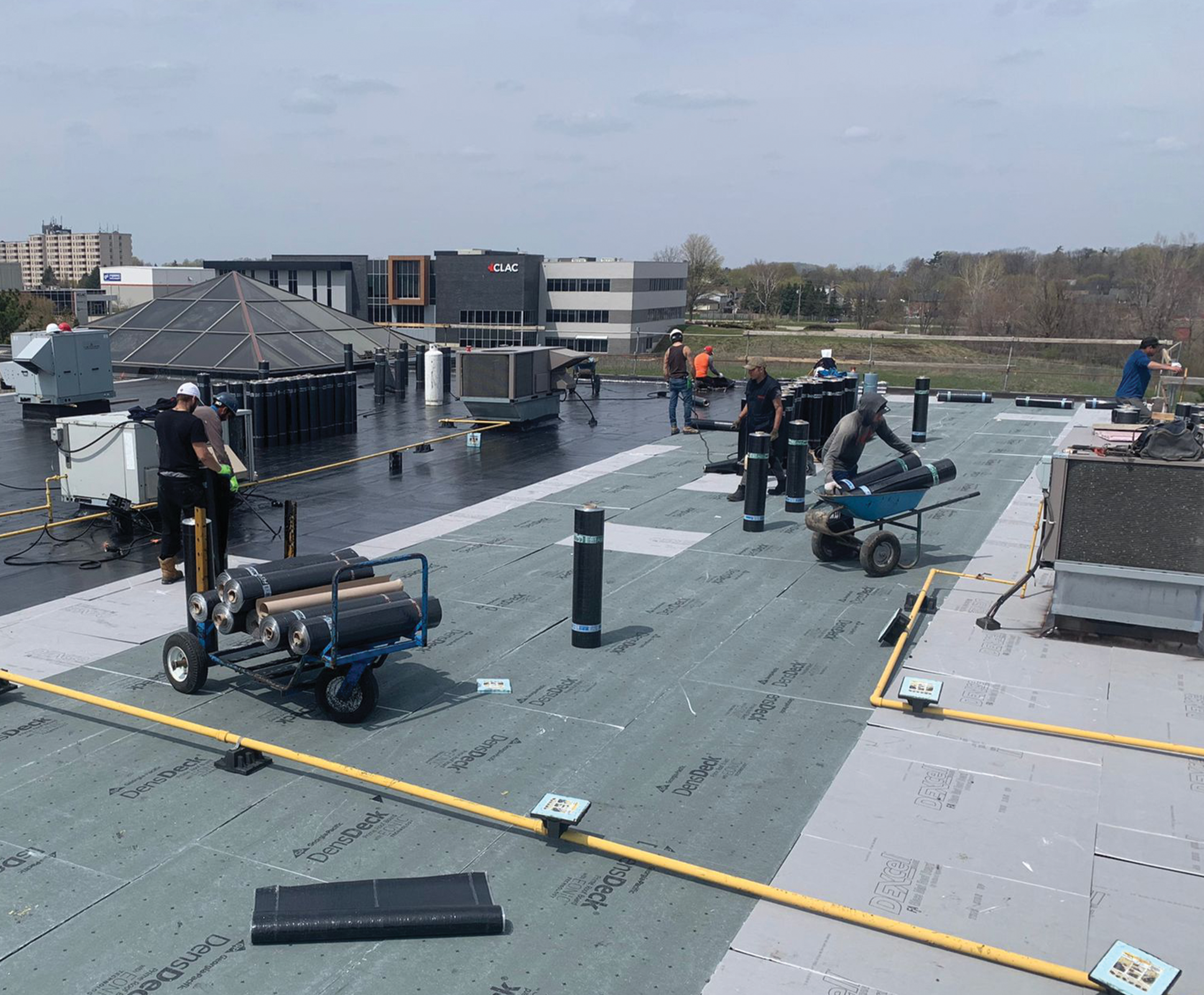
Commercial Roofing starts with roof evidence around Duke Health and Duke University occupied-building constraints. We separate the leak, access, schedule, and material questions before a recommendation is priced.
Commercial Roof Leak Repair
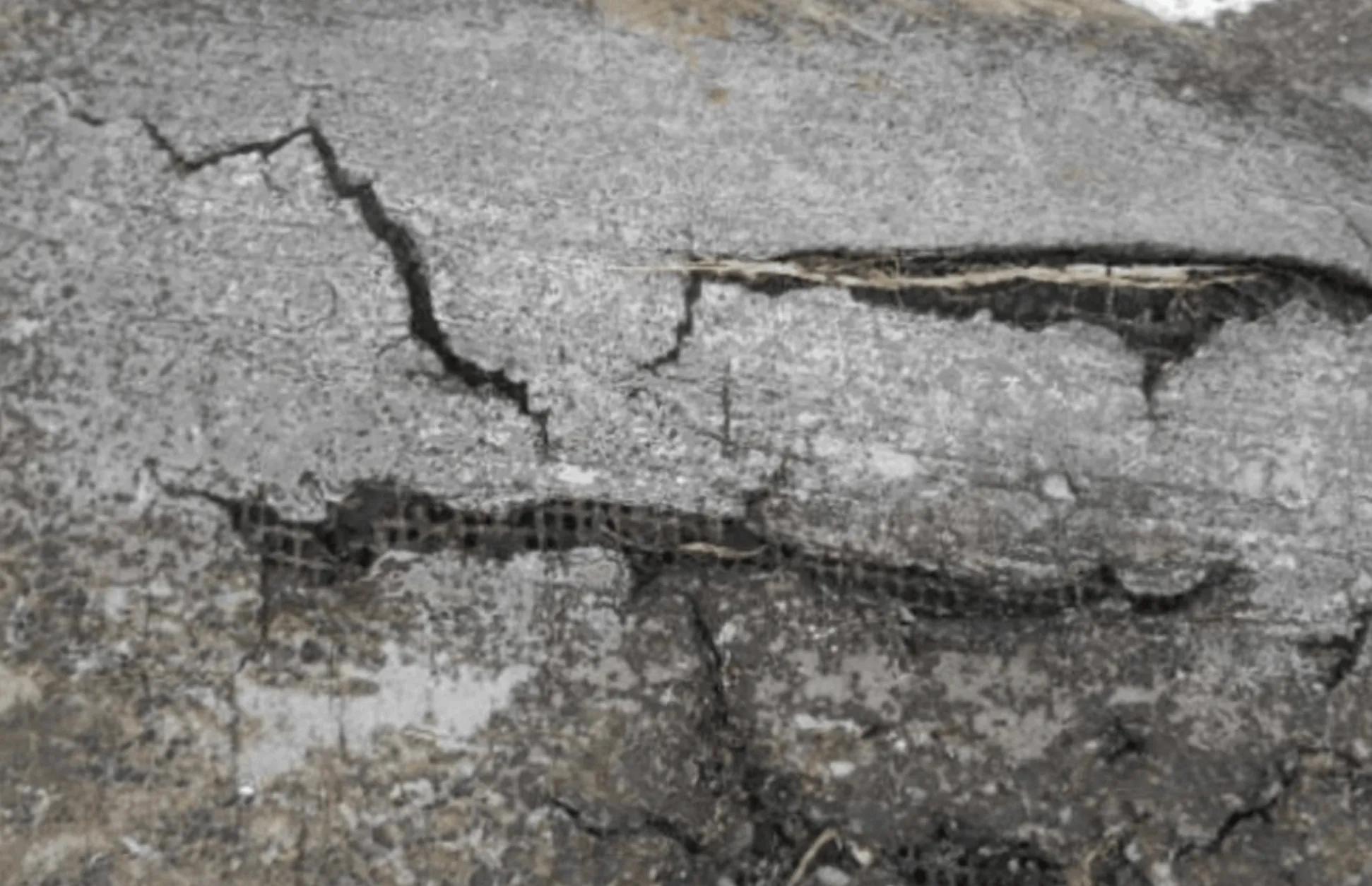
Commercial Roof Leak Repair starts with roof evidence around NC-147 and I-40 service-window planning. We document the roof condition in plain language so ownership can choose repair, recovery, coating, or replacement with fewer surprises.
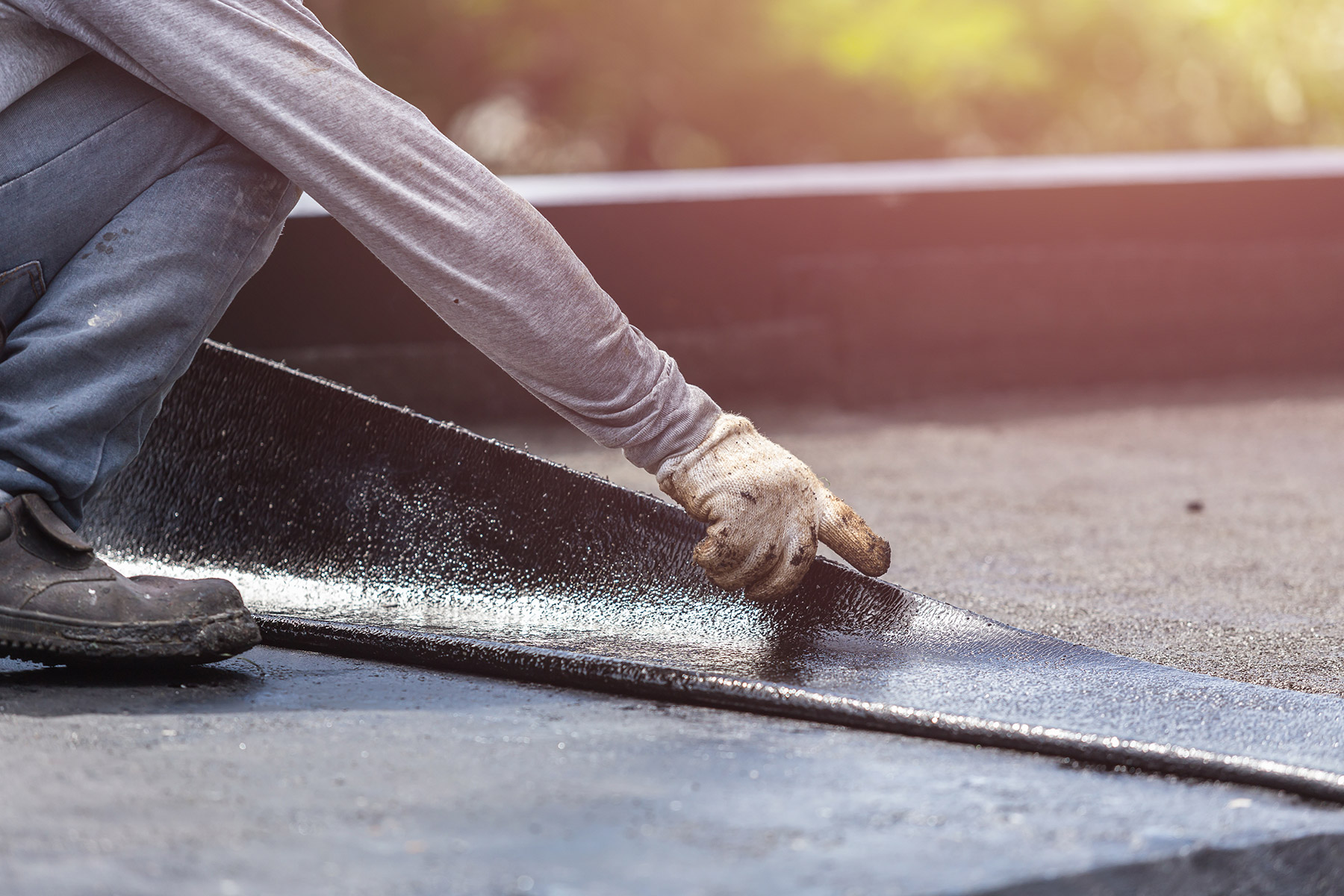
Commercial Roof Replacement
Commercial Roof Replacement starts with roof evidence around American Tobacco Campus roof access and tenant-hour limits. We separate the leak, access, schedule, and material questions before a recommendation is priced.
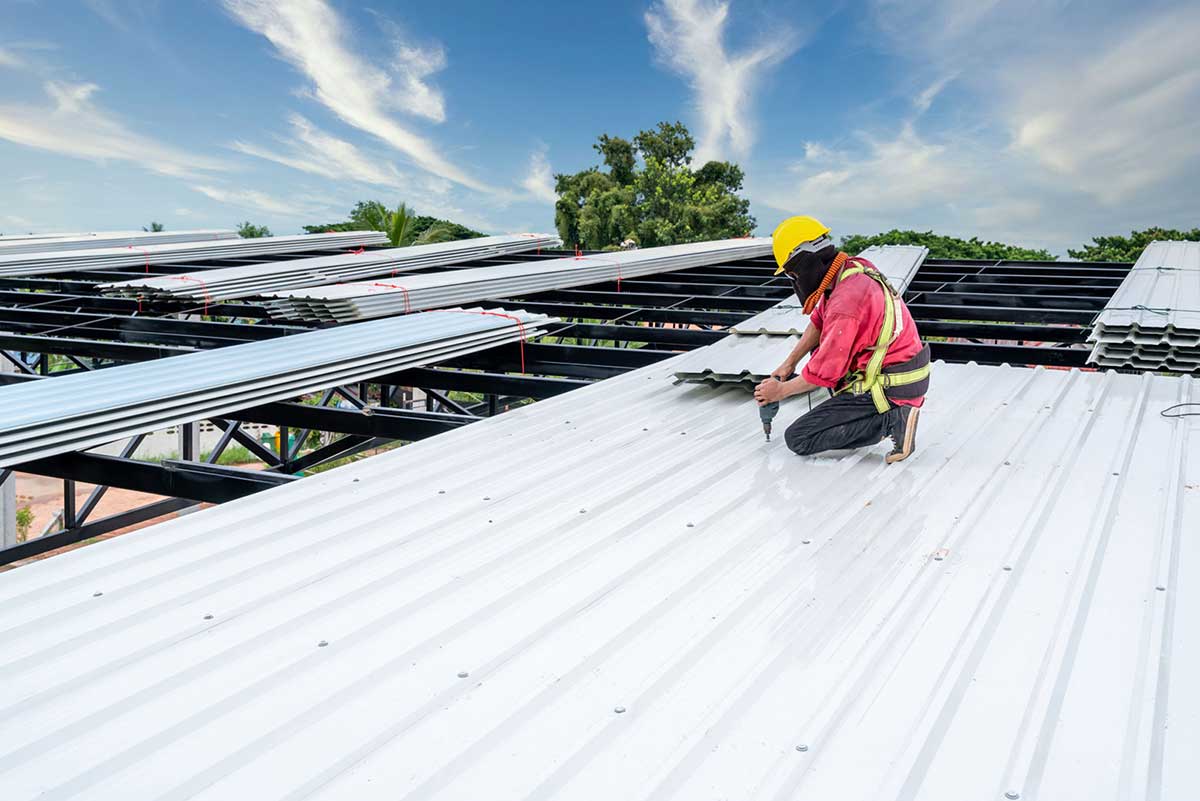
Commercial Re-Roofing
Commercial Re-Roofing starts with roof evidence around Research Triangle Park lab and office schedules. We separate the leak, access, schedule, and material questions before a recommendation is priced.
Services
Acrylic and Silicone Roof Restoration for commercial buildings across Durham, Research Triangle Park, Chapel Hill, Raleigh, and the greater Triangle commercial corridor.
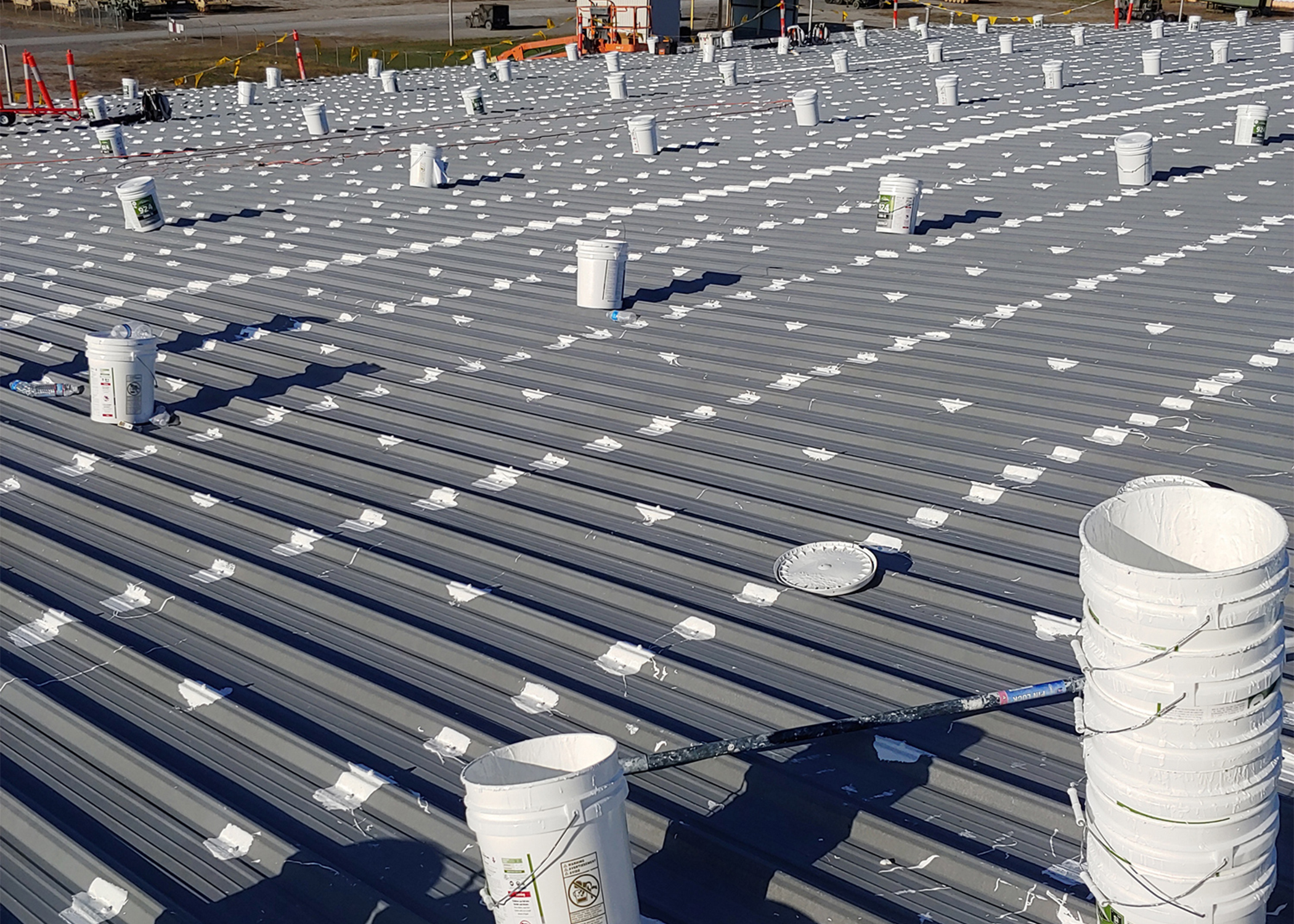
Roof restoration with fluid-applied acrylic or silicone systems occupies a different category than simple maintenance coatings — a properly engineered restoration system is a warranted roofing assembly, not just a surface treatment. The distinction matters because it changes how building owners should evaluate the investment. A fluid-applied silicone restoration system installed at full specified thickness, with embedded fabric at all seams and details, carries a manufacturer warranty comparable to a new single-ply membrane installation. That changes the math on restoration versus replacement for a lot of Durham commercial building owners.
Silicone restoration is particularly well-suited to the Triangle's rainfall pattern. Durham averages 46 inches of rain annually, and the distribution includes slow-moving storm systems — hurricane remnants tracking inland from the coast, stalled fronts that sit over the Piedmont for days — that leave water standing on low-slope commercial roofs for hours at a time. Silicone is formulated for exactly that condition: it doesn't absorb water, doesn't soften under prolonged contact, and maintains adhesion to the substrate whether the surface is wet or dry. On a flat RTP office building or a Treyburn warehouse with a low-slope membrane that pools water in the low points, silicone is the right restoration chemistry.
Acrylic restoration systems are the better fit on commercial roofs with positive drainage — sloped metal roofs, low-slope roofs with confirmed drainage to functioning drains, or surfaces where water clears within a few hours of a rain event. Acrylic dries faster than silicone, which creates a larger application window in uncertain weather and makes it easier to complete a job in sections without lap issues between application days. It's also more vapor-permeable, which matters on certain substrate types. The trade-off is that acrylic cannot tolerate the ponding conditions that silicone handles without issue.
The restoration process on an RTP campus building typically starts weeks before any material is applied. We walk the roof and document every penetration, seam, drain, and transition area. We take core cuts to map insulation moisture — wet zones need to be cut out and replaced before restoration goes over them, because sealing moisture under a fluid-applied system is the same mistake as sealing it under any other membrane. On a 15,000-square-foot office building with 20 years of rooftop modifications, that documentation phase often surfaces deferred maintenance issues that weren't visible from the ground or from a quick visual walk.
Preparation work consumes a significant portion of a restoration project's budget and schedule, and it should. Pressure washing the existing membrane, applying appropriate primer for the substrate type, and embedding reinforcing polyester fabric at every seam, penetration flashing, pipe collar, and parapet termination before the field coats go down — that sequence is what separates a warranted restoration from a surface coat that fails at the first detail. We apply the fabric embed as a separate step, not as a concurrent operation with the field coat. The fabric needs to be fully saturated and bonded before the next coat goes over it.
Cool-roof performance is a genuine selling point on both acrylic and silicone restoration systems in Durham's summers. A dark modified bitumen or aged single-ply membrane absorbs solar radiation through 52-plus days above 90°F. A white silicone or acrylic restoration system over that same surface reflects the majority of that solar load. For buildings in the American Tobacco area, the Brightleaf District, or along the I-40 corridor where upper-floor tenants are dealing with a roof that's been absorbing summer heat for decades, the thermal comfort improvement from restoration is noticeable, and the utility cost reduction is measurable on buildings with significant roof-to-conditioned-space ratios.
Restoration extends service life without the cost, waste, and disruption of full tear-off and replacement. On a properly specified acrylic or silicone system, the manufacturer warranty runs 10–20 years depending on product and specified thickness. At the end of the primary warranty term, a maintenance recoat — typically one coat applied at 10–15 mils — resets the warranty clock and extends the restoration system another full term without disturbing the original membrane or generating tear-off waste. For a building owner managing a multi-property portfolio in Durham, that cycle of restoration and recoat is a predictable capital expenditure model that avoids the large lump-sum cost of full re-roofing.
We regularly work with facility managers at RTP campus buildings and Durham commercial property owners who are coordinating with tenants on timing. Fluid-applied restoration doesn't require the building shutdown that a full tear-off project sometimes necessitates — there's no heavy equipment on the roof, no deck exposure, and the odor profile of modern silicone and acrylic systems is minimal compared to hot asphalt or torch-applied work. For occupied office buildings, medical facilities near Duke, or research buildings in HUB RTP where disruption has real cost, restoration is often the practical choice independent of the price comparison with replacement.
Questions Owners Ask
A restoration system is an engineered, warranted assembly — specified thickness, embedded fabric reinforcement at all seams and details, manufacturer inspection, and a warranty document. A surface coat is a maintenance product applied to extend life without the engineering specification or warranty backing. The material may be similar; the application protocol, thickness, and documentation are what separate them. When we propose a restoration system, we're proposing a manufacturer-warranted assembly that can be presented to a property insurer or prospective tenant as a documented roof condition, not just a coat of paint.
Silicone material costs more per gallon than acrylic. On a flat commercial roof in Durham that holds water after rain events — which describes most low-slope commercial buildings in the Triangle — silicone is the appropriate specification regardless of cost, because acrylic degrades under ponding conditions and will fail prematurely on a flat roof. On a sloped commercial surface with positive drainage, acrylic is appropriate and the cost difference isn't justified. The specification drives the material choice; we don't default to silicone on every project or steer toward it based on margin.
Manufacturer warranties on quality silicone and acrylic restoration systems run 10–20 years depending on specified wet film thickness. A system installed at 30 mils total dry film thickness typically carries a longer warranty term than one at 20 mils. At the end of the primary warranty period, a recoat application — one additional coat at 10–15 mils — extends the warranty for another full term. This cycle of restoration and recoat can carry a building through 30–40 years without a full membrane replacement, provided the substrate remains structurally sound.
Wet insulation zones must be removed and replaced before restoration. We identify wet areas through core cuts and, on larger roofs, infrared thermal scanning. After wet sections are cut out, new insulation is installed flush with the existing surface, and then the restoration system goes over the full prepared substrate. If the wet area is isolated — a failed drain, a single penetration that's been leaking — the repair scope is manageable and restoration is still the right path. If moisture is widespread across the roof field, we have a more serious structural conversation before recommending restoration.
Often yes — and it's sometimes the best option for historic buildings where a full tear-off would risk damaging historic masonry or architectural features at the roof perimeter. Fluid-applied restoration systems work over existing membranes without mechanical fasteners, without the vibration of tear-off equipment, and without the heavy roof traffic of a full replacement crew. On buildings in the Brightleaf District, around the American Tobacco Campus, or on the older brick commercial stock near Durham Central Park where the building's character matters as much as the roof performance, restoration offers a low-impact path to a warranted roofing assembly.
Commercial Roofing of Durham
Questions Owners Ask
What's the difference between a roof restoration and simply coating my roof?
A restoration system is an engineered, warranted assembly — specified thickness, embedded fabric reinforcement at all seams and details, manufacturer inspection, and a warranty document. A surface coat is a maintenance product applied to extend life without the engineering specification or warranty backing. The material may be similar; the application protocol, thickness, and documentation are what separate them. When we propose a restoration system, we're proposing a manufacturer-warranted assembly that can be presented to a property insurer or prospective tenant as a documented roof condition, not just a coat of paint.
Why does silicone cost more than acrylic, and is it worth the difference?
Silicone material costs more per gallon than acrylic. On a flat commercial roof in Durham that holds water after rain events — which describes most low-slope commercial buildings in the Triangle — silicone is the appropriate specification regardless of cost, because acrylic degrades under ponding conditions and will fail prematurely on a flat roof. On a sloped commercial surface with positive drainage, acrylic is appropriate and the cost difference isn't justified. The specification drives the material choice; we don't default to silicone on every project or steer toward it based on margin.
How many years does a roof restoration system last?
Manufacturer warranties on quality silicone and acrylic restoration systems run 10–20 years depending on specified wet film thickness. A system installed at 30 mils total dry film thickness typically carries a longer warranty term than one at 20 mils. At the end of the primary warranty period, a recoat application — one additional coat at 10–15 mils — extends the warranty for another full term. This cycle of restoration and recoat can carry a building through 30–40 years without a full membrane replacement, provided the substrate remains structurally sound.
What happens if my roof has wet insulation — can it still be restored?
Wet insulation zones must be removed and replaced before restoration. We identify wet areas through core cuts and, on larger roofs, infrared thermal scanning. After wet sections are cut out, new insulation is installed flush with the existing surface, and then the restoration system goes over the full prepared substrate. If the wet area is isolated — a failed drain, a single penetration that's been leaking — the repair scope is manageable and restoration is still the right path. If moisture is widespread across the roof field, we have a more serious structural conversation before recommending restoration.
Is roof restoration appropriate for buildings in the historic districts of downtown Durham?
Often yes — and it's sometimes the best option for historic buildings where a full tear-off would risk damaging historic masonry or architectural features at the roof perimeter. Fluid-applied restoration systems work over existing membranes without mechanical fasteners, without the vibration of tear-off equipment, and without the heavy roof traffic of a full replacement crew. On buildings in the Brightleaf District, around the American Tobacco Campus, or on the older brick commercial stock near Durham Central Park where the building's character matters as much as the roof performance, restoration offers a low-impact path to a warranted roofing assembly.