Built-Up Roofing in Durham, NC
We handle built-up roofing by starting with the roof evidence owners can act on: photos, access limits, drainage notes, wet-area clues, and the operating constraints around Duke Health and Duke University occupied-building constraints.
Fast answers still need roof evidence.
We plan the work around active tenants, roof access, weather exposure, and the actual system already on the building. Around Treyburn and Ellis Road industrial roof areas and humid Piedmont summers and quick freeze-thaw swings, the right scope often depends on timing as much as material choice.
Start ReviewWhat gets checked.
We separate the leak, access, schedule, and material questions before a recommendation is priced. The recommendation stays practical: what should be controlled now, what needs pricing, and what deserves a capital plan before the next weather window.
We look at membrane seams, roof drains, edge metal, penetrations, rooftop units, previous repairs, and safe access before pricing work.
What owners receive.
A written scope with photos, limits, schedule notes, and a practical recommendation for repair, recovery, coating, or replacement.
Contact UsRelated Roof Paths
Compare the next decision.
Commercial Roofing
Commercial Roofing starts with roof evidence around Duke Health and Duke University occupied-building constraints. We separate the leak, access, schedule, and material questions before a recommendation is priced.
Commercial Roof Leak Repair
Commercial Roof Leak Repair starts with roof evidence around NC-147 and I-40 service-window planning. We document the roof condition in plain language so ownership can choose repair, recovery, coating, or replacement with fewer surprises.
Commercial Roof Replacement
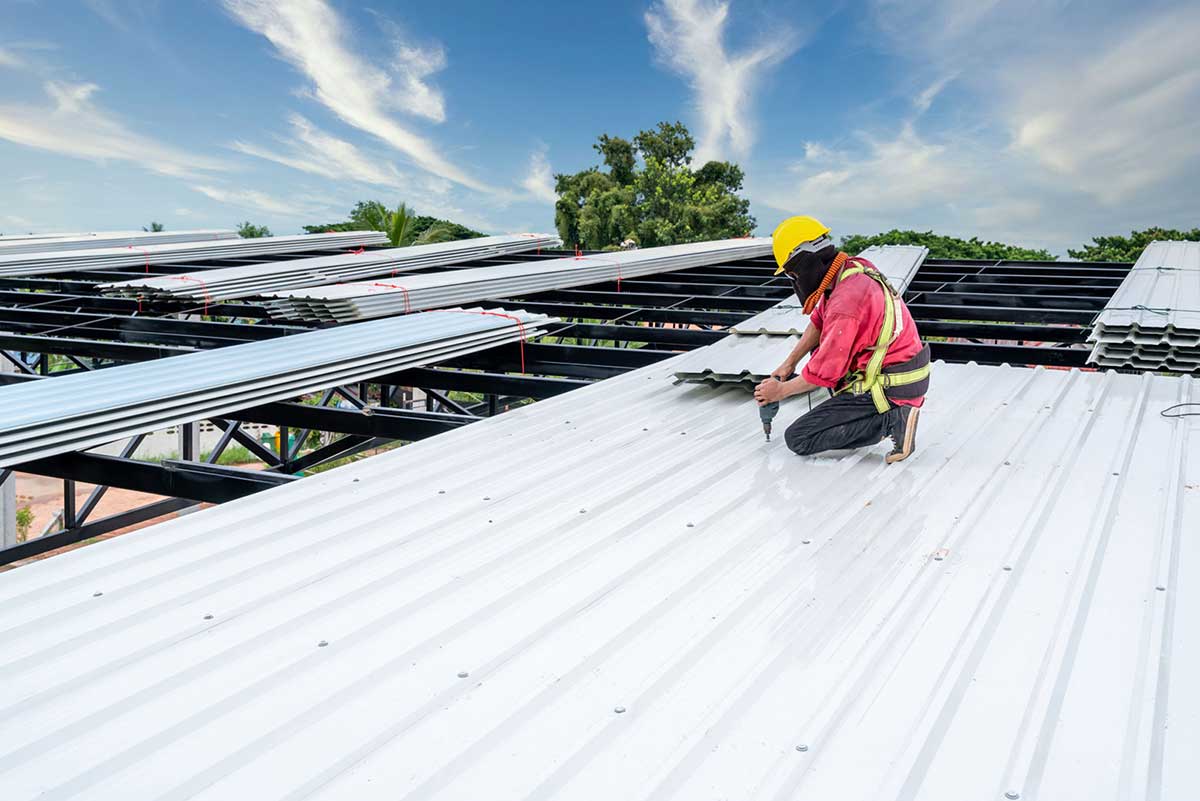
Commercial Roof Replacement starts with roof evidence around American Tobacco Campus roof access and tenant-hour limits. We separate the leak, access, schedule, and material questions before a recommendation is priced.
Commercial Re-Roofing
Commercial Re-Roofing starts with roof evidence around Research Triangle Park lab and office schedules. We separate the leak, access, schedule, and material questions before a recommendation is priced.
Services
Built-Up Roofing for commercial buildings across Durham, Research Triangle Park, Chapel Hill, Raleigh, and the greater Triangle commercial corridor.
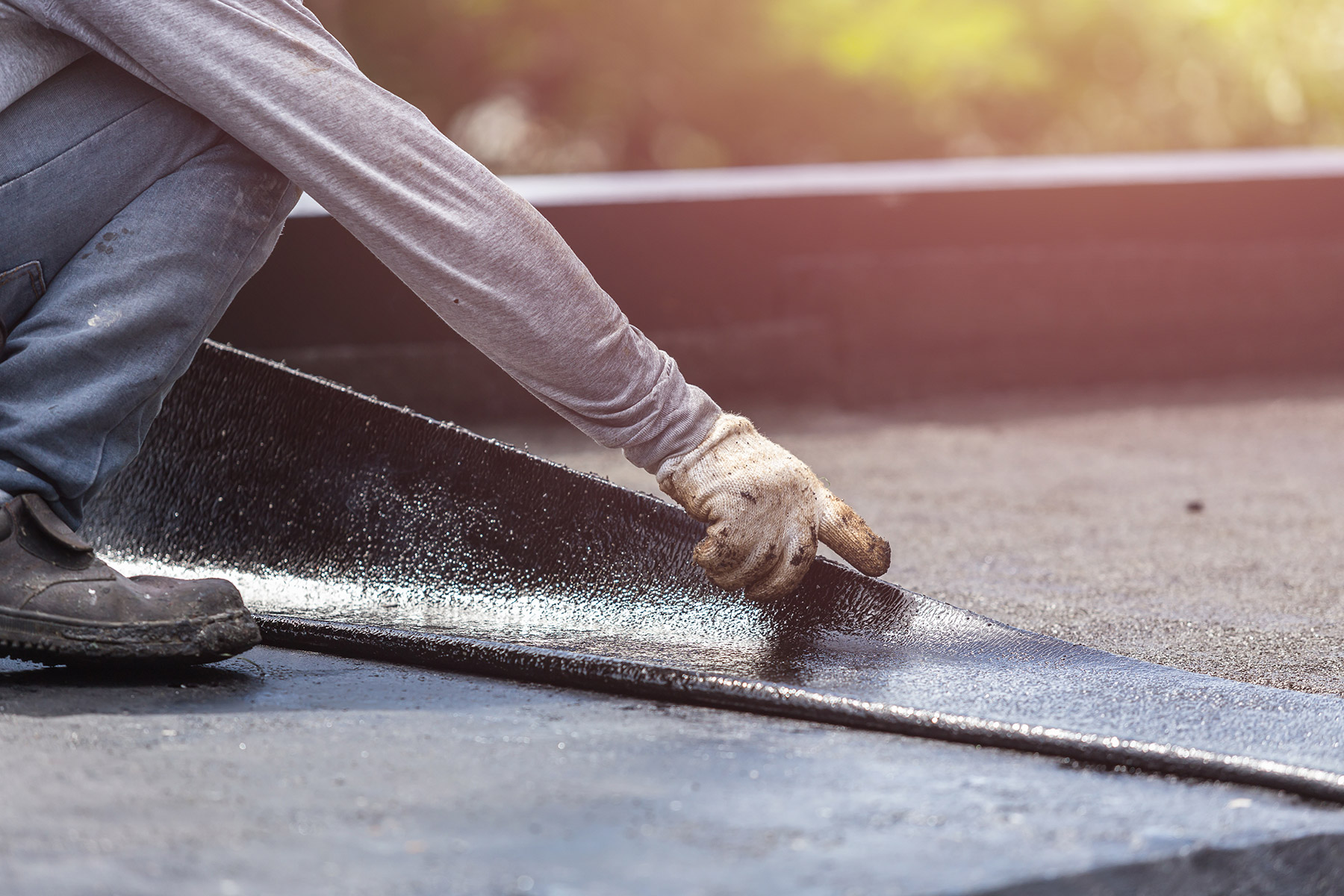
Built-up roofing is the oldest flat-roof technology still in active service on Durham's commercial building stock, and some of it has outlasted everything installed after it. The mid-century civic buildings, the older warehouse structures near the Durham Freeway, the original academic buildings on Duke's West Campus — BUR systems on these buildings were built in an era when roofing was expected to last a generation without being touched. Some of them have. When we get called to a BUR building, the first question is always whether we're dealing with a system that still has integrity or one that's been patched past the point of coherent repair.
The BUR assembly — alternating plies of bitumen-saturated reinforcing fabric, typically three to five plies, finished with flood coat and aggregate or a cap sheet — creates a monolithic membrane that's genuinely thick and heavy. A four-ply BUR system over rigid insulation can weigh 10 to 15 pounds per square foot before aggregate ballast. That weight means BUR buildings in Durham need a structural assessment before any re-roofing decision, particularly if the existing system is being recovered rather than torn off. Adding more load to a roof deck that's already carrying a 30-year-old BUR system requires confirmation that the structure was designed for it.
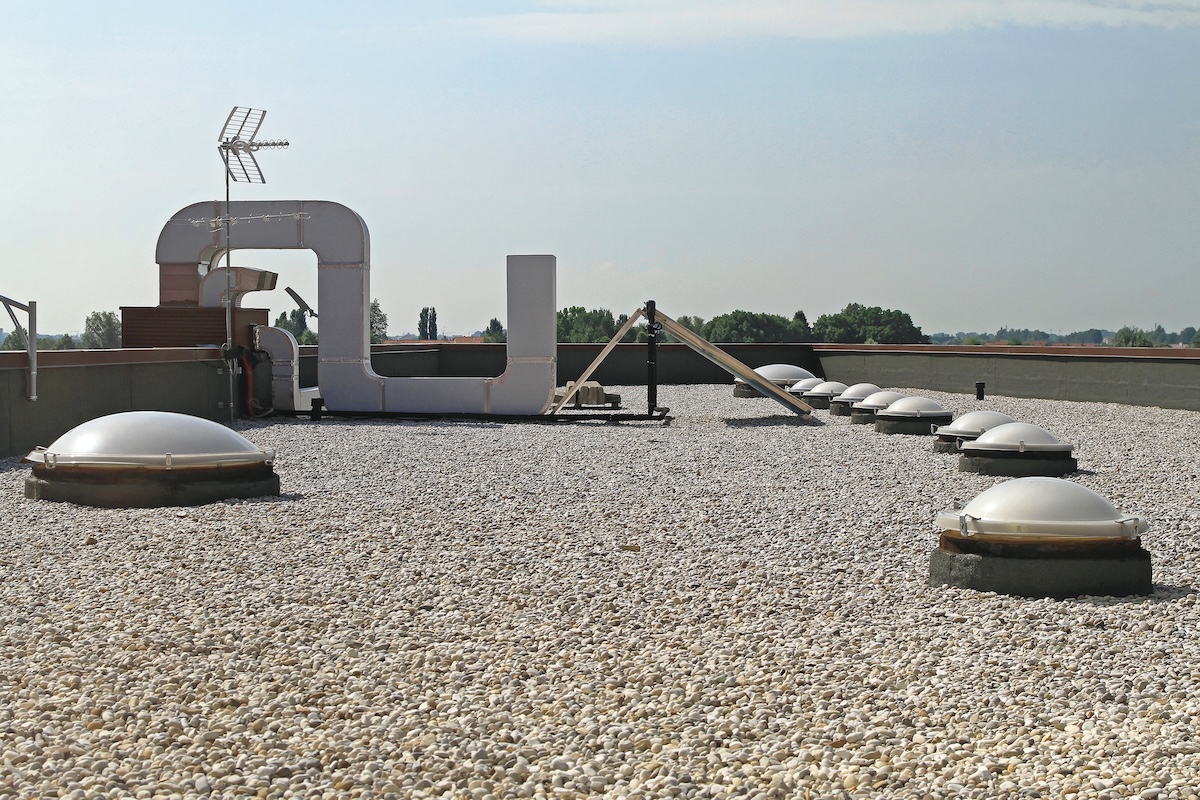
The aggregate surface on a BUR — river gravel or slag — does two things: it protects the flood coat from UV degradation and provides fire resistance. But it also makes inspection difficult. You can't see the plies under two inches of gravel. On inspection calls for older BUR buildings, we probe suspicious areas and take core cuts to assess ply condition, moisture infiltration, and insulation integrity. Thermal imaging scans can map wet areas without disturbing the gravel, and on larger BUR roofs — the kind of footprint you see on older industrial or institutional buildings in Durham — that scan is often the most efficient way to prioritize where we investigate more closely.
Drain sumps on aggregate BUR roofs require ongoing maintenance that most building owners don't prioritize. Gravel migrates into drain bowls, clamping rings get buried, and the drain field becomes a dam instead of a drain. Durham's storm events — the fast-moving convective systems that drop two-plus inches in a few hours — stress any drainage system, but on a BUR roof where drain maintenance has been deferred, ponding water zones become permanent features rather than temporary post-storm conditions. Sustained ponding saturates the insulation below the membrane and eventually works through the plies.
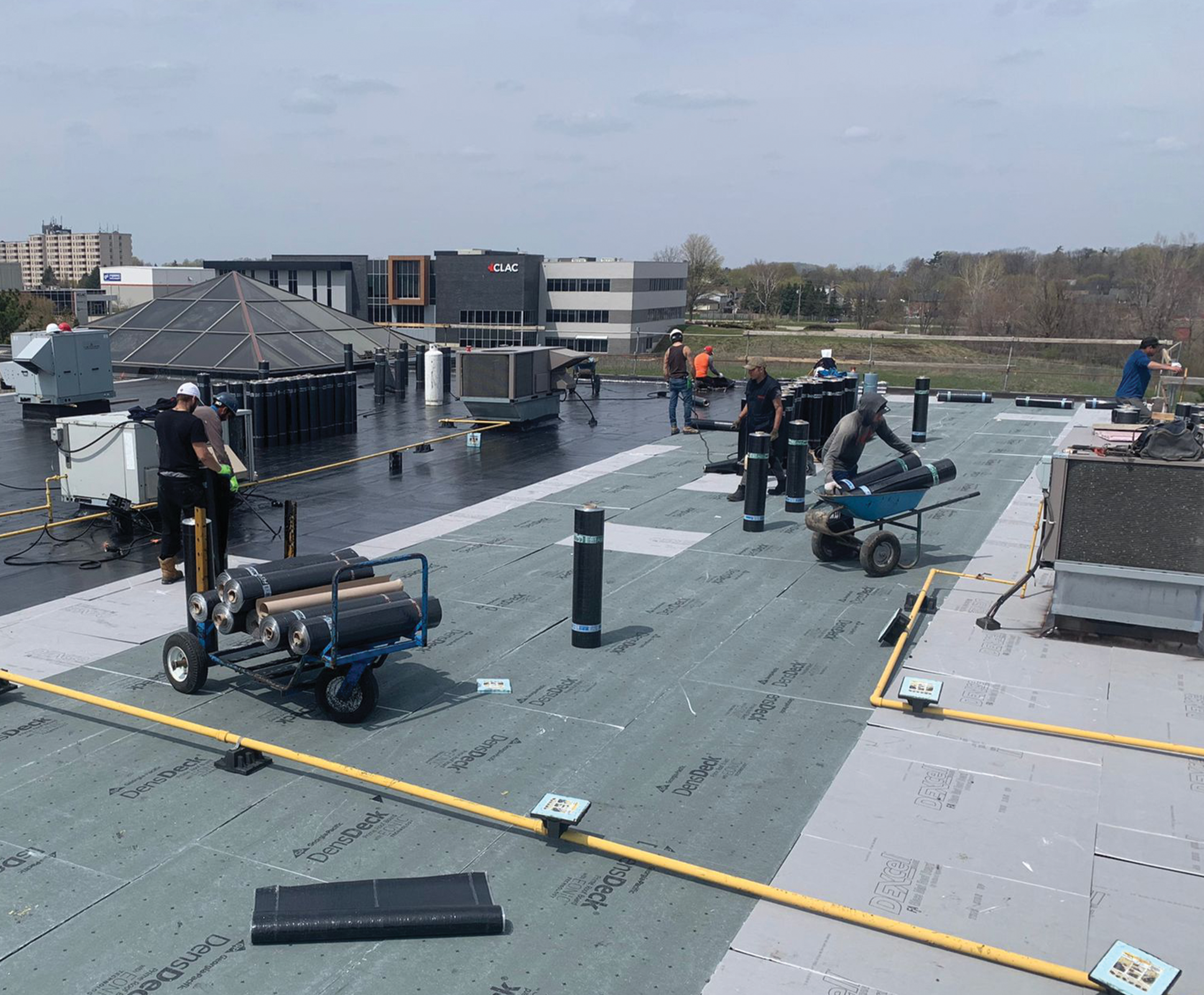
The most common scope we handle on BUR buildings is the tear-off and replacement decision. When a BUR system has reached end of life — visible ply separation, widespread moisture in the insulation, multiple failed patch areas — the question is what replaces it. Full tear-off of a ballasted BUR system is significant labor and haul-off cost; the aggregate alone adds substantial dumpster weight. On a 20,000-square-foot older warehouse building off US-70, a BUR tear-off is a multi-day project just for removal before new material touches the deck. Owners need accurate scope estimates, not ballpark numbers, before they commit to budget.
Recover options over BUR have limitations. Going directly over an existing BUR with a new single-ply membrane requires removing the aggregate surfacing first — you can't bond or mechanically fasten a single-ply membrane over loose gravel. On smooth-surfaced BUR systems (cap sheet finish rather than aggregate), a recover is more straightforward. Modified bitumen or TPO over a stable, dry, smooth-surfaced BUR system is a legitimate option that avoids tear-off cost if the substrate moisture conditions support it. We evaluate this case by case rather than defaulting to one approach.
Older institutional buildings connected to Duke University's campus periphery — medical offices, administrative buildings, and parking structures in the Duke neighborhood — often have BUR systems that were maintained carefully for decades and are now reaching a decision point. These buildings frequently have historic or architecturally significant features at the parapet and roof perimeter that complicate standard re-roofing details. We work with the building's facilities team to understand what constraints exist before we specify replacement systems — a standard TPO detail at a historic masonry parapet isn't always the right answer.
When we do install new BUR — which is less common than recover or replacement with a modern membrane, but still specified for certain applications requiring maximum durability and puncture resistance — we use fiberglass reinforcing fabric rather than the organic felts used in older systems. Fiberglass-based BUR is dimensionally stable, resists moisture absorption in the ply itself, and maintains its bond with the bitumen better over time. On a building where the roof deck sees heavy maintenance traffic or potential impact loads, the multiple-ply construction of a quality BUR system provides protection that no single-ply membrane can match.
Questions Owners Ask
The decisive factor is insulation moisture content. A BUR system with dry insulation and a structurally sound existing ply assembly may be a legitimate recover candidate, particularly if the surface is a smooth cap sheet rather than aggregate. Widespread moisture in the insulation — identified by core cuts and thermal imaging — means tear-off, because trapping wet insulation under new material accelerates deterioration and voids any new warranty. We also evaluate structural capacity before recommending a recover that adds more weight to an existing heavy assembly.
Built-up roofing is multiple alternating layers of bitumen (hot-mopped asphalt or coal tar) and reinforcing fabric — typically three to five plies. The layers are finished with a flood coat of bitumen and aggregate surfacing (gravel or slag) or a granule-surfaced cap sheet. The combination of multiple bitumen layers, reinforcing fabric, insulation board, and aggregate surfacing creates a system that commonly weighs 10–15 pounds per square foot. That weight requires confirmation that the roof structure was designed for the load before any recover installation adds to it.
Yes — and it's one of the most common replacements we do on older Durham commercial buildings. After BUR tear-off, the deck is inspected and repaired, new insulation is installed to current R-value requirements, and the new single-ply membrane goes down over a clean substrate. The transition from BUR to TPO or modified bitumen is straightforward from a technical standpoint. The main considerations are structural assessment of the deck after 40–50 years of service and accurate removal cost for the existing BUR system including aggregate haul-off.
Infrared thermal imaging is the most efficient tool for mapping moisture in a large BUR system without disturbing the aggregate. We scan the roof surface in the evening after solar loading during the day — wet insulation retains heat differently than dry insulation and shows up clearly on the thermal camera. We follow the scan with targeted core cuts in suspected wet zones to confirm the finding and assess how deep the moisture has penetrated. This approach lets us prioritize repair or replacement scopes on large roofs without guessing.
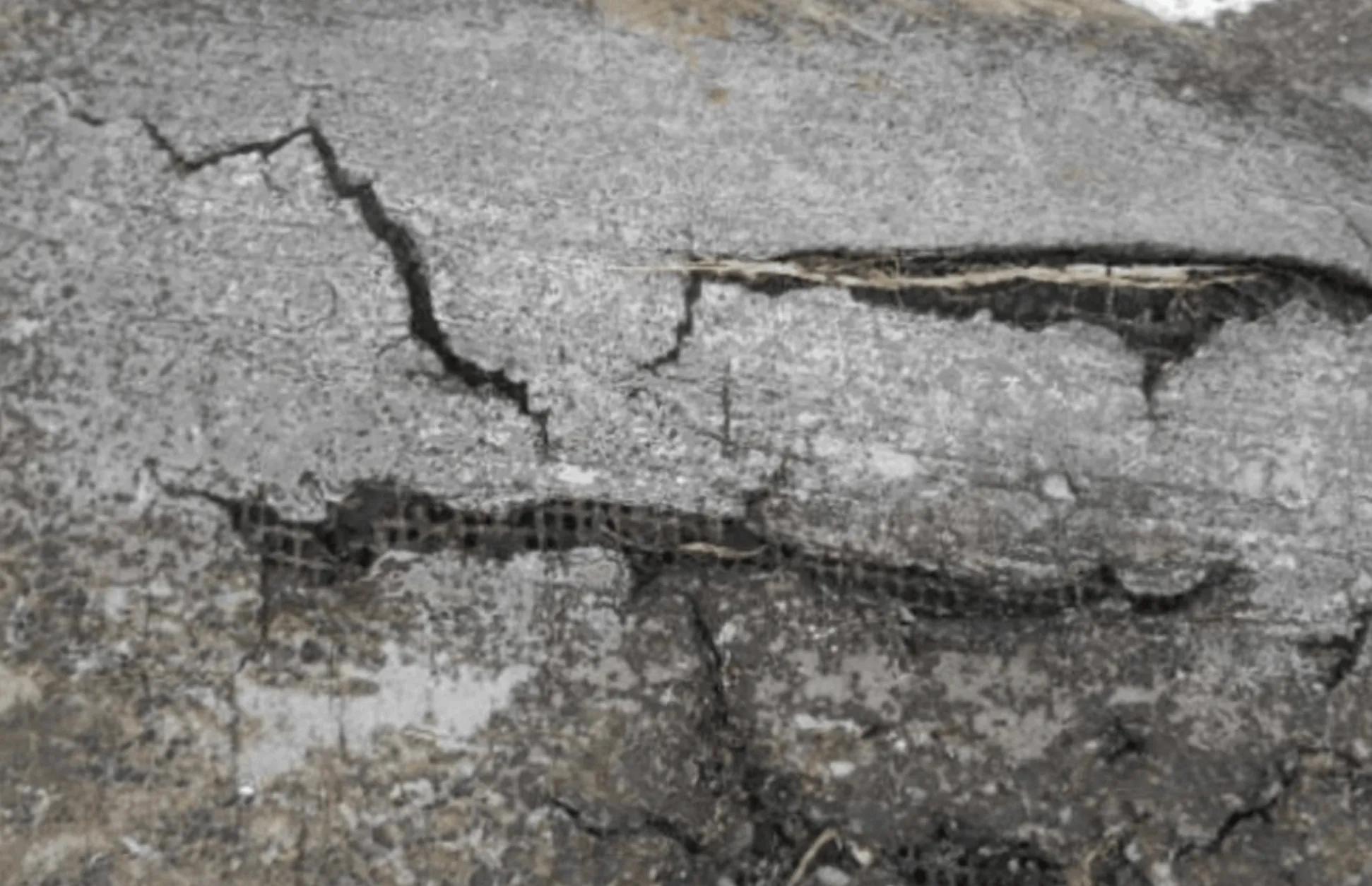
A 40-year-old BUR system has almost certainly exceeded its designed service life, but condition varies significantly based on maintenance history and exposure. We've seen 40-year-old BUR on well-maintained buildings that still has serviceable ply integrity; we've seen 25-year-old systems that are saturated through. An honest assessment requires inspection — drain condition, ply separation at exposed edges, aggregate coverage, and core cut moisture data. If the system is dry and structurally intact, targeted repairs and coating may buy another 5–7 years. If it's wet and degraded, further investment in patching is money that should go toward replacement.
Commercial Roofing of Durham
Questions Owners Ask
How do I know if my BUR system can be recovered or needs full tear-off?
The decisive factor is insulation moisture content. A BUR system with dry insulation and a structurally sound existing ply assembly may be a legitimate recover candidate, particularly if the surface is a smooth cap sheet rather than aggregate. Widespread moisture in the insulation — identified by core cuts and thermal imaging — means tear-off, because trapping wet insulation under new material accelerates deterioration and voids any new warranty. We also evaluate structural capacity before recommending a recover that adds more weight to an existing heavy assembly.
What is a BUR roof made of, and why is it so heavy?
Built-up roofing is multiple alternating layers of bitumen (hot-mopped asphalt or coal tar) and reinforcing fabric — typically three to five plies. The layers are finished with a flood coat of bitumen and aggregate surfacing (gravel or slag) or a granule-surfaced cap sheet. The combination of multiple bitumen layers, reinforcing fabric, insulation board, and aggregate surfacing creates a system that commonly weighs 10–15 pounds per square foot. That weight requires confirmation that the roof structure was designed for the load before any recover installation adds to it.
Can BUR be replaced with a modern single-ply membrane like TPO?
Yes — and it's one of the most common replacements we do on older Durham commercial buildings. After BUR tear-off, the deck is inspected and repaired, new insulation is installed to current R-value requirements, and the new single-ply membrane goes down over a clean substrate. The transition from BUR to TPO or modified bitumen is straightforward from a technical standpoint. The main considerations are structural assessment of the deck after 40–50 years of service and accurate removal cost for the existing BUR system including aggregate haul-off.
How do you inspect a gravel-surfaced BUR without tearing it up?
Infrared thermal imaging is the most efficient tool for mapping moisture in a large BUR system without disturbing the aggregate. We scan the roof surface in the evening after solar loading during the day — wet insulation retains heat differently than dry insulation and shows up clearly on the thermal camera. We follow the scan with targeted core cuts in suspected wet zones to confirm the finding and assess how deep the moisture has penetrated. This approach lets us prioritize repair or replacement scopes on large roofs without guessing.
My older building has had the same BUR roof for 40 years. Is it worth repairing or should I replace it?
A 40-year-old BUR system has almost certainly exceeded its designed service life, but condition varies significantly based on maintenance history and exposure. We've seen 40-year-old BUR on well-maintained buildings that still has serviceable ply integrity; we've seen 25-year-old systems that are saturated through. An honest assessment requires inspection — drain condition, ply separation at exposed edges, aggregate coverage, and core cut moisture data. If the system is dry and structurally intact, targeted repairs and coating may buy another 5–7 years. If it's wet and degraded, further investment in patching is money that should go toward replacement.