EPDM Roofing in Durham, NC
We handle EPDM roofing by starting with the roof evidence owners can act on: photos, access limits, drainage notes, wet-area clues, and the operating constraints around Downtown Durham storm-drain and rooftop-equipment density.
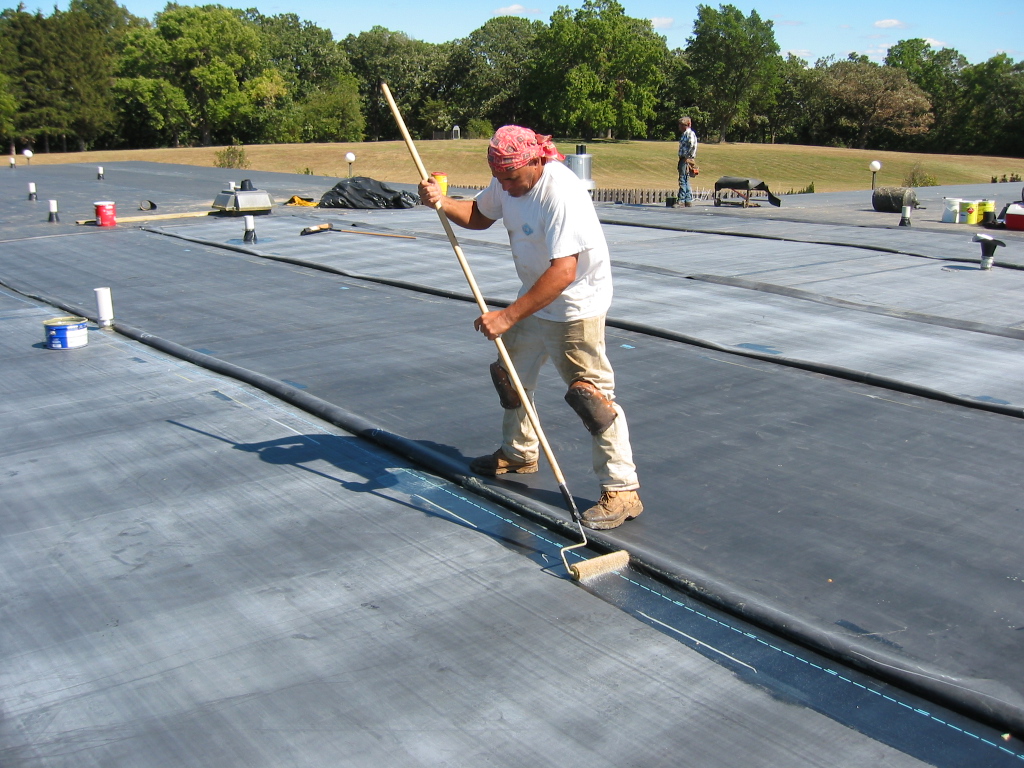
Fast answers still need roof evidence.
We plan the work around active tenants, roof access, weather exposure, and the actual system already on the building. Around Golden Belt and Brightleaf adaptive-reuse roof details and Research Triangle Park lab and office schedules, the right scope often depends on timing as much as material choice.
Start ReviewWhat gets checked.
We separate the leak, access, schedule, and material questions before a recommendation is priced. The recommendation stays practical: what should be controlled now, what needs pricing, and what deserves a capital plan before the next weather window.
We look at membrane seams, roof drains, edge metal, penetrations, rooftop units, previous repairs, and safe access before pricing work.
What owners receive.
A written scope with photos, limits, schedule notes, and a practical recommendation for repair, recovery, coating, or replacement.
Contact UsRelated Roof Paths
Compare the next decision.
Commercial Roofing
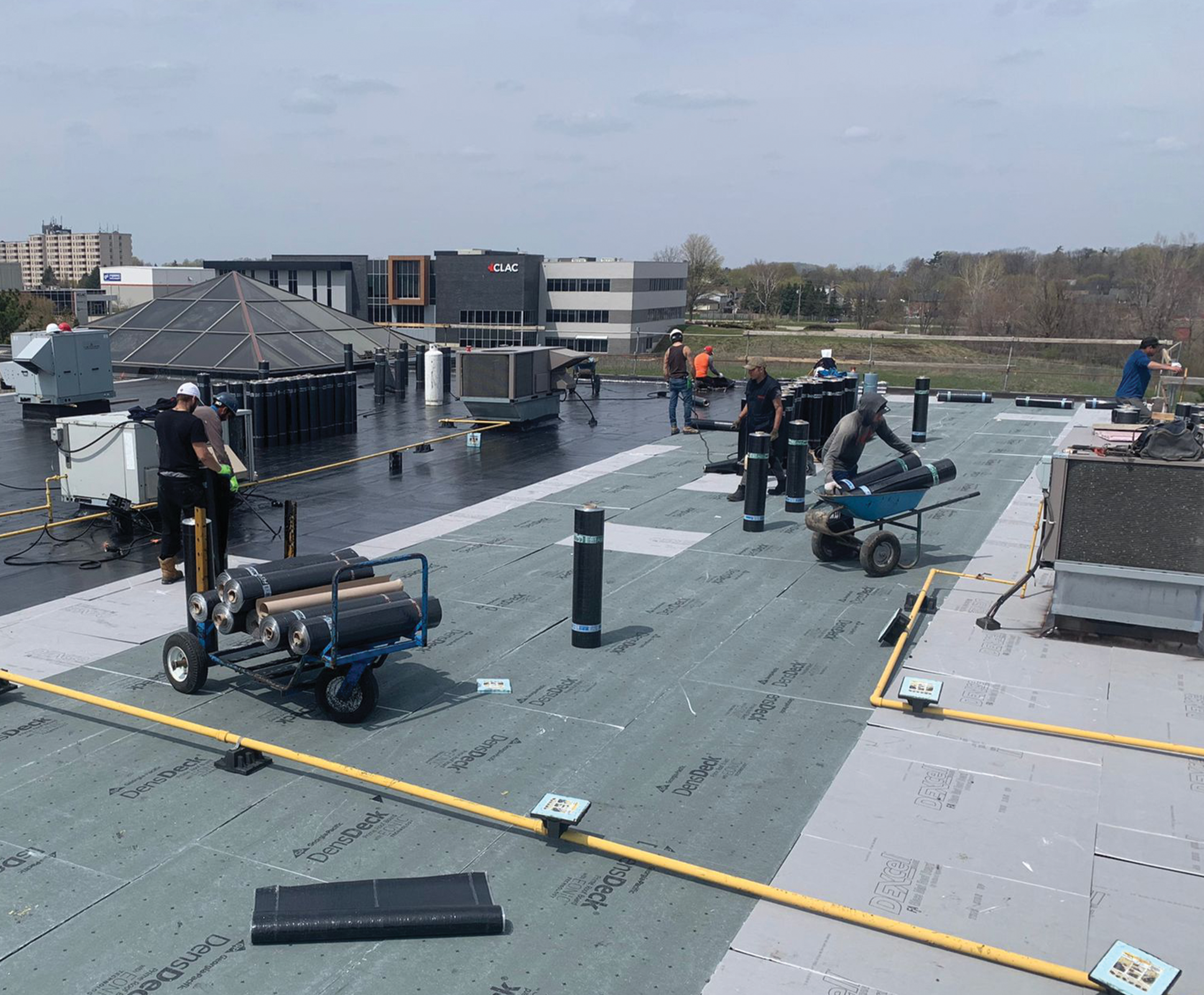
Commercial Roofing starts with roof evidence around Duke Health and Duke University occupied-building constraints. We separate the leak, access, schedule, and material questions before a recommendation is priced.
Commercial Roof Leak Repair
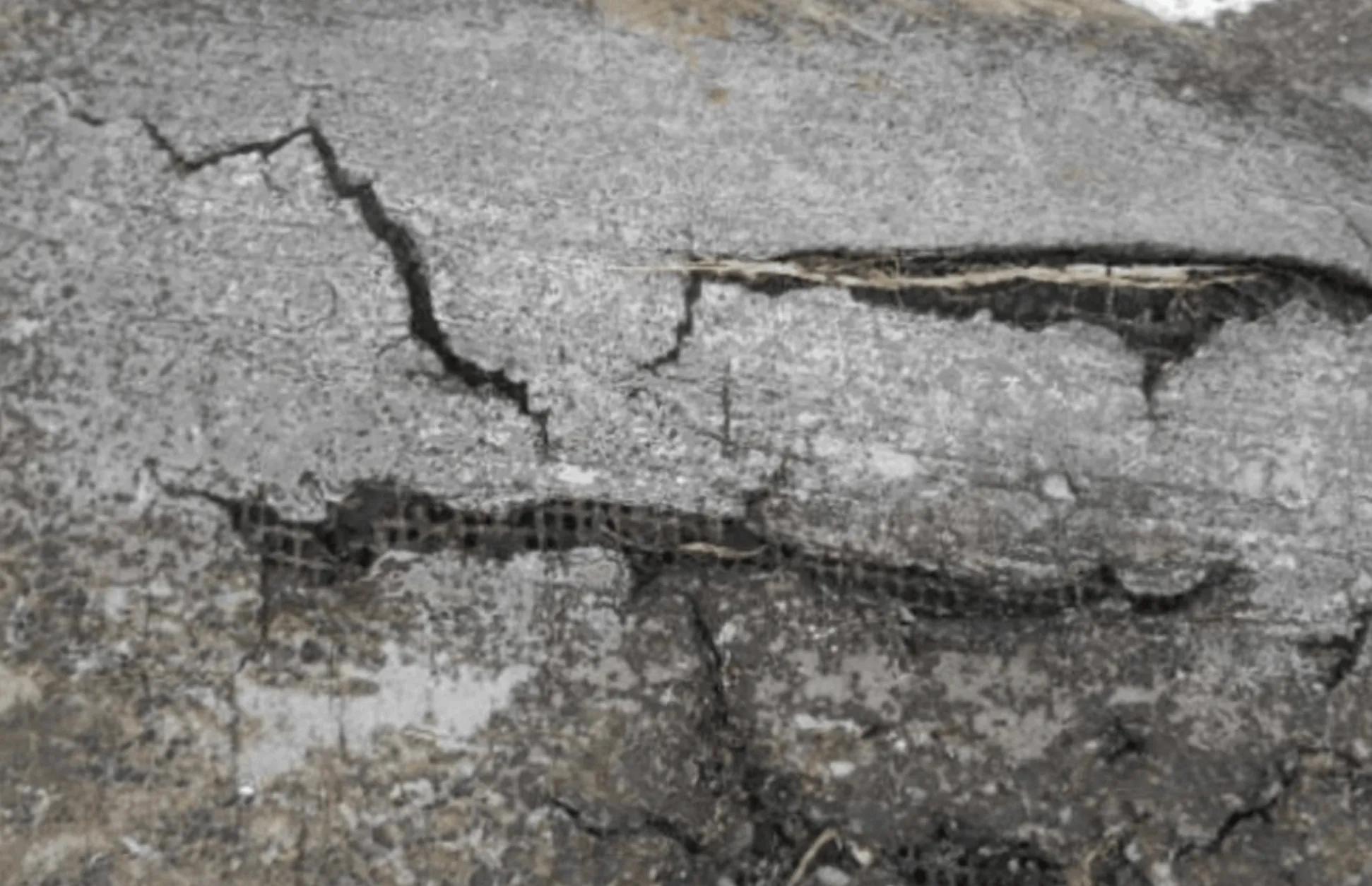
Commercial Roof Leak Repair starts with roof evidence around NC-147 and I-40 service-window planning. We document the roof condition in plain language so ownership can choose repair, recovery, coating, or replacement with fewer surprises.
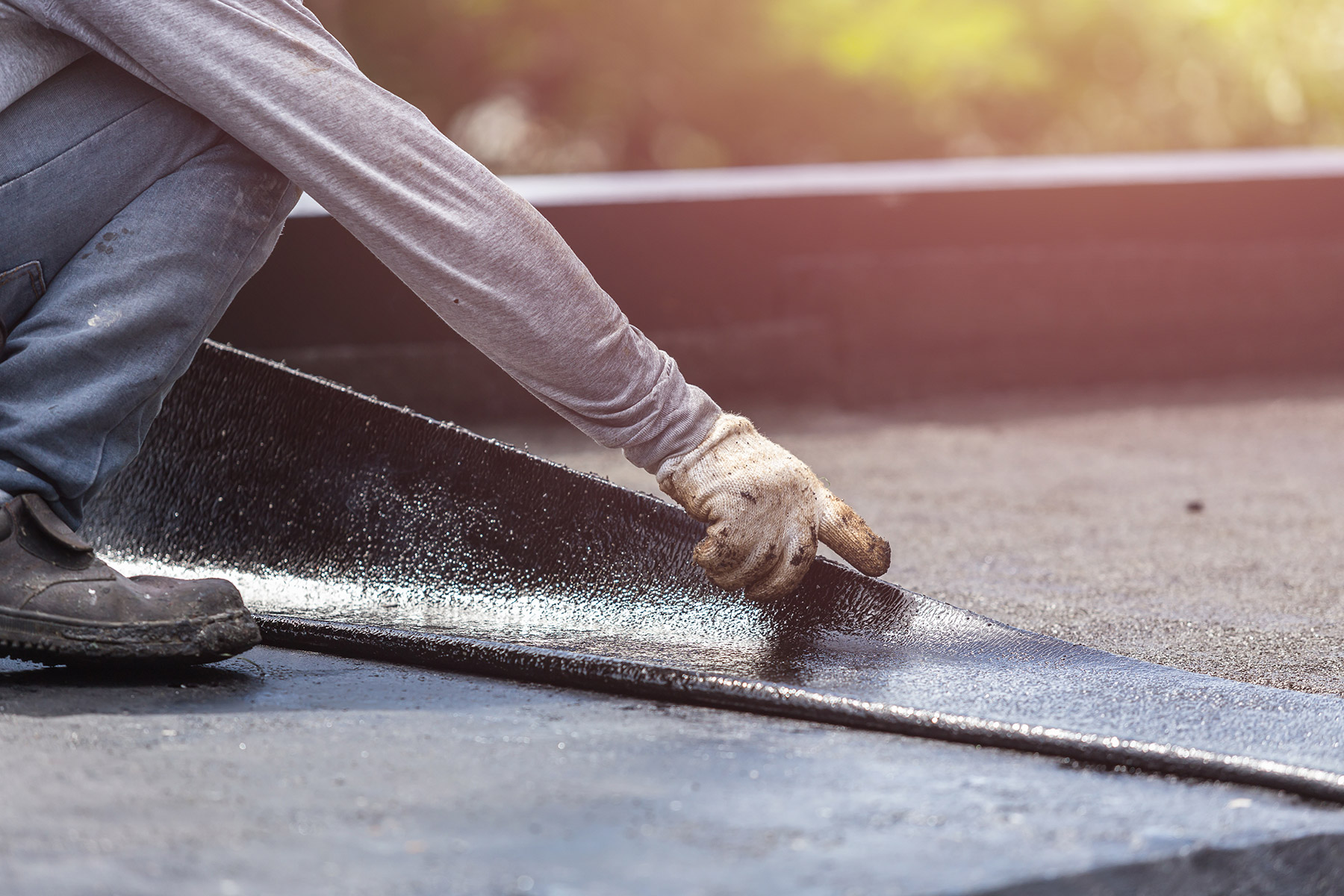
Commercial Roof Replacement
Commercial Roof Replacement starts with roof evidence around American Tobacco Campus roof access and tenant-hour limits. We separate the leak, access, schedule, and material questions before a recommendation is priced.
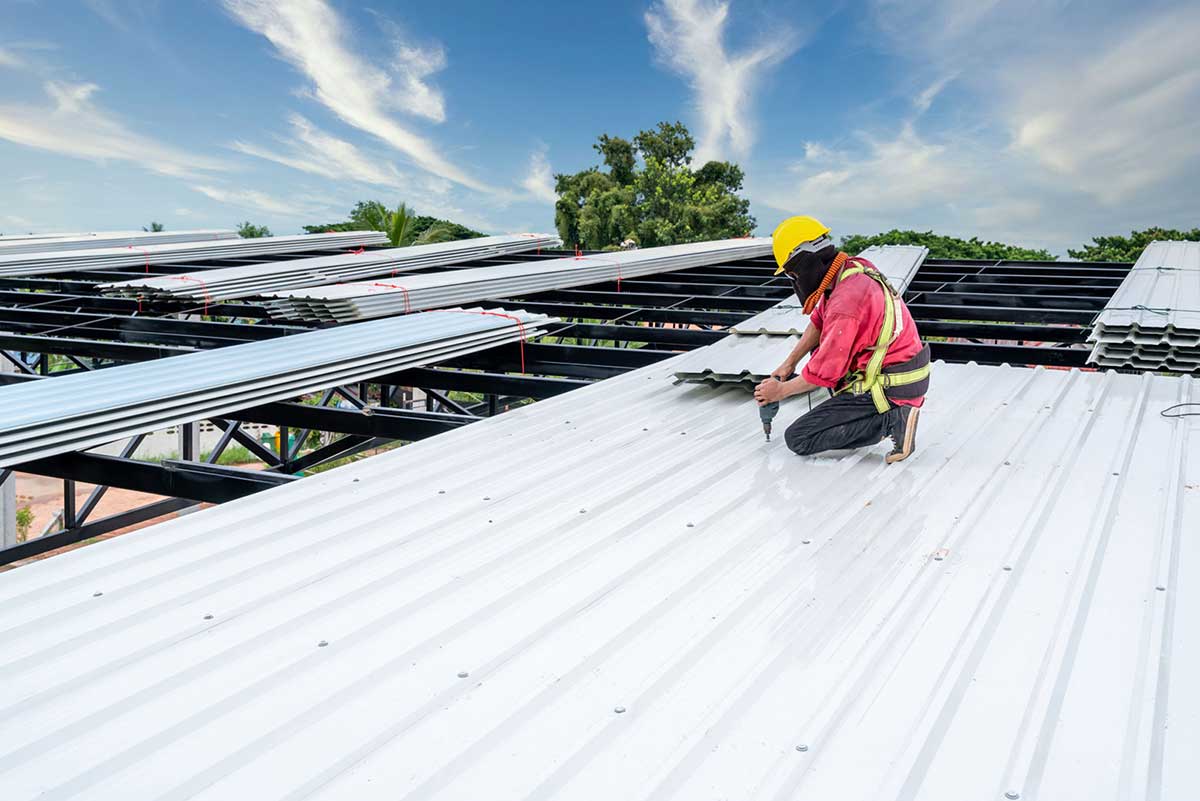
Commercial Re-Roofing
Commercial Re-Roofing starts with roof evidence around Research Triangle Park lab and office schedules. We separate the leak, access, schedule, and material questions before a recommendation is priced.
Services
EPDM Roofing for commercial buildings across Durham, Research Triangle Park, Chapel Hill, Raleigh, and the greater Triangle commercial corridor.
A lot of the buildings we re-roof in downtown Durham and the Duke University corridor have EPDM systems that have been in place since the 1980s or 1990s. Black rubber membrane was the industry standard for decades, and it's still on institutional buildings, older medical office buildings off Erwin Road, and the brick industrial conversions around Golden Belt that predate the current mixed-use boom. When an owner calls about a leak on one of these buildings, the first thing we're doing is a seam and lap splice inspection — that's where EPDM fails as it ages, not in the field membrane itself.
EPDM handles temperature cycling better than most single-ply membranes. Durham sees 64-plus days a year with freezing lows, and then you're back to 90-degree summer heat within a few months. That thermal range is hard on any roofing material, but EPDM's rubber composition stays flexible through cold weather without becoming brittle the way early-generation TPO could. On older buildings at NC Central University and Durham Technical Community College where budgets favor a long-life system over a premium cool-roof product, EPDM recover or recoat is often the right recommendation.
The three installation methods — mechanically attached, ballasted, and fully adhered — each have different applications in this market. Ballasted systems with river rock aren't appropriate on most urban Durham buildings due to deck loading concerns and the complexity of inspections, but fully adhered and mechanically attached are both common. On historic conversions in the Warehouse District, we're often working with a concrete or wood deck that needs a fully adhered system because mechanical fasteners would compromise the deck or the interior aesthetics. We scope the deck condition carefully before we commit to an attachment method.
Lap seams on EPDM systems are bonded with seam tape or contact cement, not heat-welded like TPO. That's the fundamental maintenance vulnerability in aging systems: the adhesive at the laps dries out, shrinks, or was never applied correctly to begin with. On a building that's had multiple rooftop trades working over the years — which describes most occupied office or lab buildings — someone has inevitably walked a seam, shifted a pipe boot, or peeled back a lap to run a conduit without re-sealing it properly. We map all the lap locations during inspection and probe each one.
Repair versus recover versus tear-off is the decision every EPDM owner eventually faces. A roof with isolated seam failures, no significant moisture in the insulation, and a structurally sound deck is a good recover candidate — you can go over existing EPDM with a TPO or modified bitumen recover board system and get another 20 years. A roof with widespread adhesive failure, multiple lap separations across the field, or wet insulation zones needs tear-off. We use core cuts and infrared moisture scanning when the decision isn't obvious from a visual inspection.
Penetration flashings on EPDM age separately from the field membrane. Pipe boots made from EPDM or peel-and-stick flashing material degrade faster because they're thinner and exposed to more direct UV at the penetration edges. On older buildings along the US-70 corridor or the academic buildings in the Duke West Campus neighborhood, we often find a field membrane that still has service life left but pipe boots and curb flashings that have failed entirely. That's a targeted repair job, not a full replacement — but only if the field seams are confirmed sound.
One scenario where EPDM still makes sense as a new installation: large, low-foot-traffic roofs where the owner isn't pursuing a cool-roof energy designation. The material cost is competitive, the installation is straightforward on simple roof geometries, and a quality mechanically attached system with properly lapped and sealed seams will run 25– corridors aren't concerned with the reflectivity premium and want a durable, cost-effective system — EPDM answers that.
Flashing at walls, parapets, and expansion joints on EPDM buildings in Durham is worth its own attention. Durham's rain events aren't evenly distributed — hurricane-remnant systems and summer convective storms can dump two to three inches in a few hours, and any parapet or counterflashing that's lost adhesion is going to let that water into the wall assembly fast. We detail EPDM termination bars with proper caulk and counterflashing rather than relying on the original adhesive that's been exposed to 20 Triangle summers.
Questions Owners Ask
The key factors are moisture in the insulation, the condition of the lap seams, and the integrity of the deck. A roof with dry insulation, isolated seam failures, and a sound deck is usually a good recover or targeted repair candidate. Widespread lap adhesive failure, multiple wet zones mapped by core cuts, or a compromised deck typically requires full tear-off. We won't quote a recover until we've confirmed the insulation is dry — trapping moisture under a new membrane is a fast path to a second replacement.
UV oxidation causes the surface to chalk — it's a normal aging process for rubber membranes and doesn't necessarily mean the membrane has failed. Surface chalking alone isn't a structural problem. What matters is whether the seams and flashings have maintained adhesion and whether the field membrane still has thickness and flexibility. A gray, chalky EPDM roof with intact seams may have years of service left; a roof with failing seam adhesive is a problem regardless of surface appearance.
Most EPDM repairs — seam re-adhesion, pipe boot replacement, membrane patches — are straightforward and cost-effective if the surrounding membrane is in good condition. EPDM repair tape and contact cement bond well to existing EPDM when the surface is clean and dry. The exception is large areas of membrane shrinkage, where the material has pulled away from perimeter edges or curbs across a wide span. Shrinkage indicates end of service life and typically leads to a recover or replacement recommendation.
It can be. On historic conversions in the Warehouse District or Golden Belt area, we're often limited in deck penetration or surface modification by the building's structural character. Fully adhered EPDM goes down without the mechanical fasteners that would compromise a historic wood or concrete deck. The black color isn't ideal for cool-roof performance, but on a building where aesthetics or structural constraints rule out other options, a well-detailed EPDM system is a sound choice.
Lap seam failure is almost always adhesive degradation — either the original contact cement or seam tape has dried out over years of thermal cycling, or the seam was never properly cleaned and primed before installation. We re-seam by cleaning the existing laps, applying EPDM primer, and bonding with fresh seam tape or contact cement rated for EPDM. On badly deteriorated seams, we sometimes cut out the old lap and install a new overlap section rather than bonding over degraded material.
Commercial Roofing of Durham
Questions Owners Ask
How do I know if my EPDM roof needs repair, recover, or full replacement?
The key factors are moisture in the insulation, the condition of the lap seams, and the integrity of the deck. A roof with dry insulation, isolated seam failures, and a sound deck is usually a good recover or targeted repair candidate. Widespread lap adhesive failure, multiple wet zones mapped by core cuts, or a compromised deck typically requires full tear-off. We won't quote a recover until we've confirmed the insulation is dry — trapping moisture under a new membrane is a fast path to a second replacement.
Why does EPDM turn gray and chalky over time, and does it affect performance?
UV oxidation causes the surface to chalk — it's a normal aging process for rubber membranes and doesn't necessarily mean the membrane has failed. Surface chalking alone isn't a structural problem. What matters is whether the seams and flashings have maintained adhesion and whether the field membrane still has thickness and flexibility. A gray, chalky EPDM roof with intact seams may have years of service left; a roof with failing seam adhesive is a problem regardless of surface appearance.
Can EPDM be repaired, or does any damage require full section replacement?
Most EPDM repairs — seam re-adhesion, pipe boot replacement, membrane patches — are straightforward and cost-effective if the surrounding membrane is in good condition. EPDM repair tape and contact cement bond well to existing EPDM when the surface is clean and dry. The exception is large areas of membrane shrinkage, where the material has pulled away from perimeter edges or curbs across a wide span. Shrinkage indicates end of service life and typically leads to a recover or replacement recommendation.
Is EPDM a good option for historic or landmark buildings in downtown Durham?
It can be. On historic conversions in the Warehouse District or Golden Belt area, we're often limited in deck penetration or surface modification by the building's structural character. Fully adhered EPDM goes down without the mechanical fasteners that would compromise a historic wood or concrete deck. The black color isn't ideal for cool-roof performance, but on a building where aesthetics or structural constraints rule out other options, a well-detailed EPDM system is a sound choice.
What causes EPDM lap seams to fail, and how do you fix them?
Lap seam failure is almost always adhesive degradation — either the original contact cement or seam tape has dried out over years of thermal cycling, or the seam was never properly cleaned and primed before installation. We re-seam by cleaning the existing laps, applying EPDM primer, and bonding with fresh seam tape or contact cement rated for EPDM. On badly deteriorated seams, we sometimes cut out the old lap and install a new overlap section rather than bonding over degraded material.