Government and Municipal Building Roofing in Durham, NC
We handle government and municipal building roofing by starting with the roof evidence owners can act on: photos, access limits, drainage notes, wet-area clues, and the operating constraints around Treyburn and Ellis Road industrial roof areas.
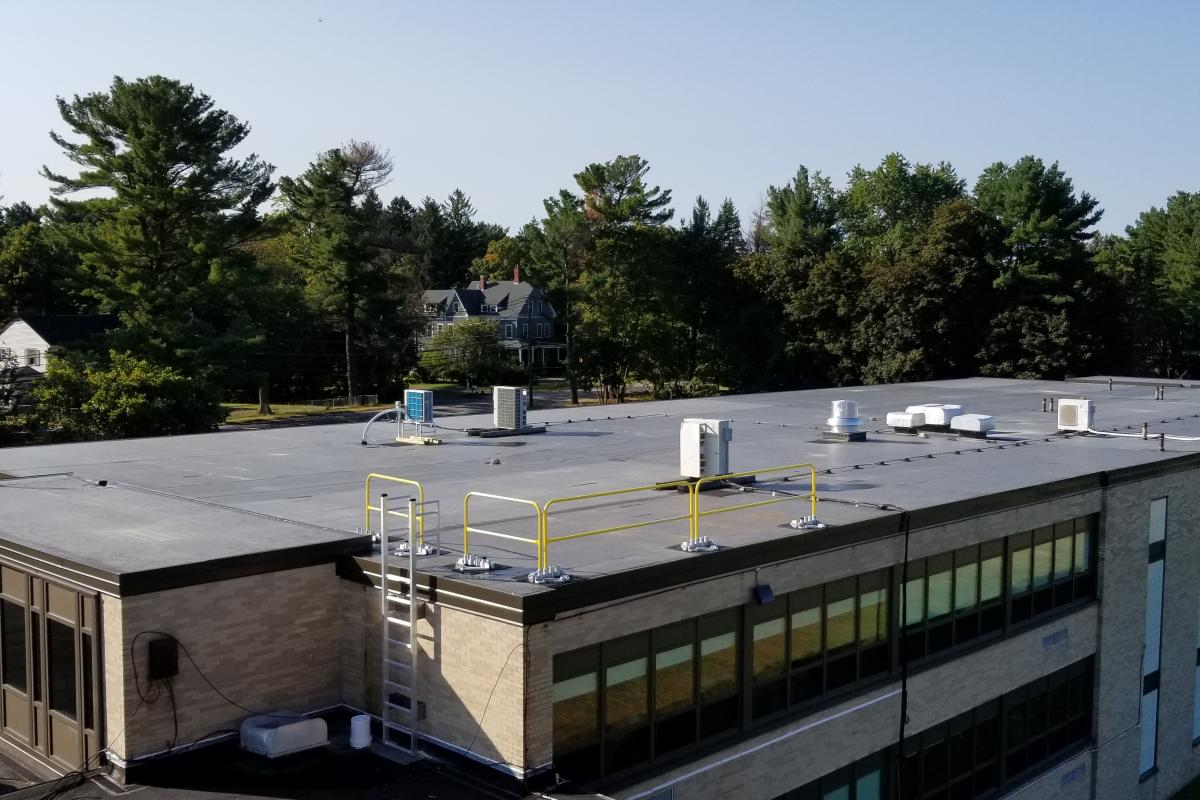
Fast answers still need roof evidence.
We separate the leak, access, schedule, and material questions before a recommendation is priced. Around humid Piedmont summers and quick freeze-thaw swings and NC-147 and I-40 service-window planning, the right scope often depends on timing as much as material choice.
Start ReviewWhat gets checked.
We document the roof condition in plain language so ownership can choose repair, recovery, coating, or replacement with fewer surprises. The recommendation stays practical: what should be controlled now, what needs pricing, and what deserves a capital plan before the next weather window.
We look at membrane seams, roof drains, edge metal, penetrations, rooftop units, previous repairs, and safe access before pricing work.
What owners receive.
A written scope with photos, limits, schedule notes, and a practical recommendation for repair, recovery, coating, or replacement.
Contact UsRelated Roof Paths
Compare the next decision.
Commercial Roofing
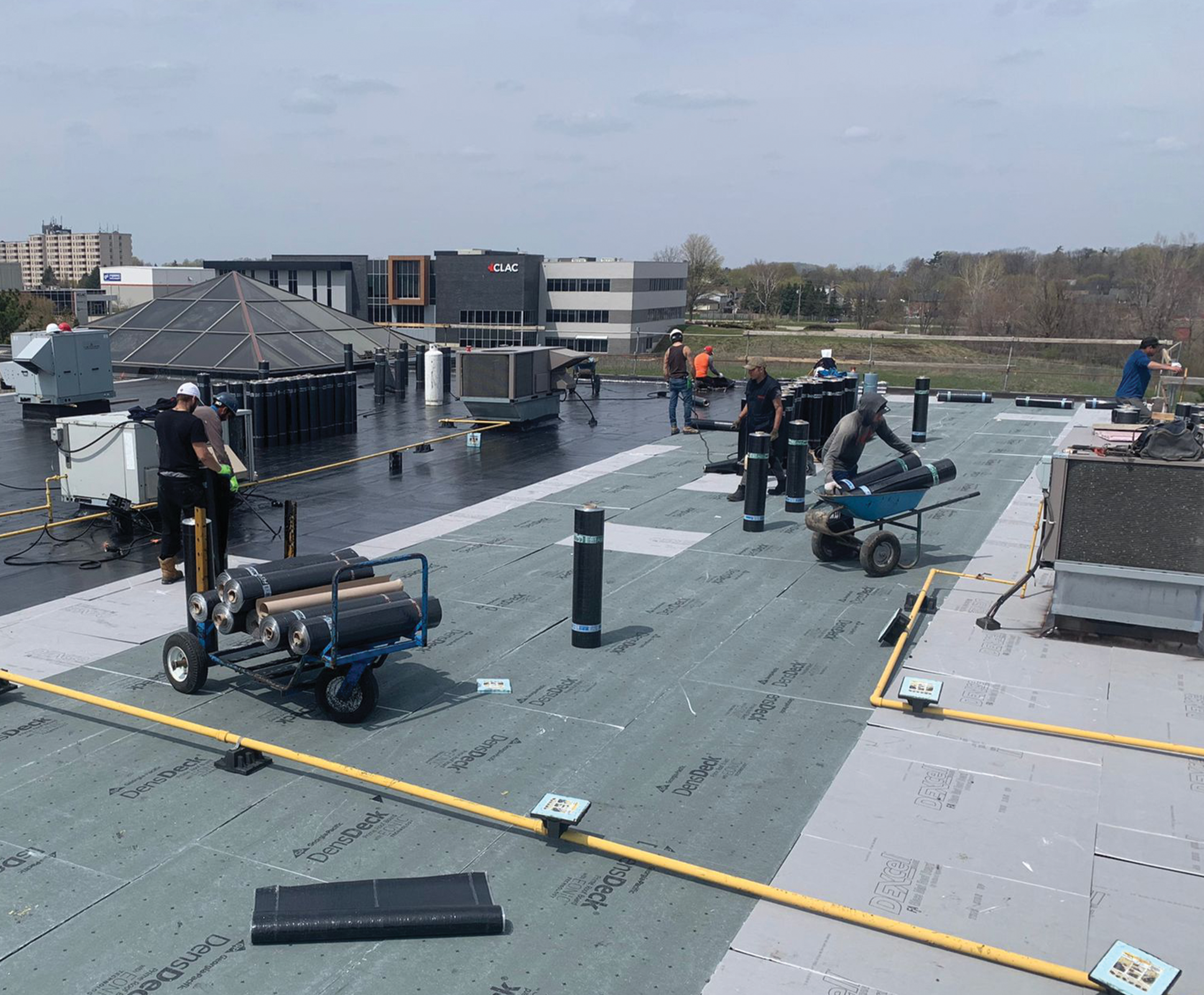
Commercial Roofing starts with roof evidence around Duke Health and Duke University occupied-building constraints. We separate the leak, access, schedule, and material questions before a recommendation is priced.
Commercial Roof Leak Repair
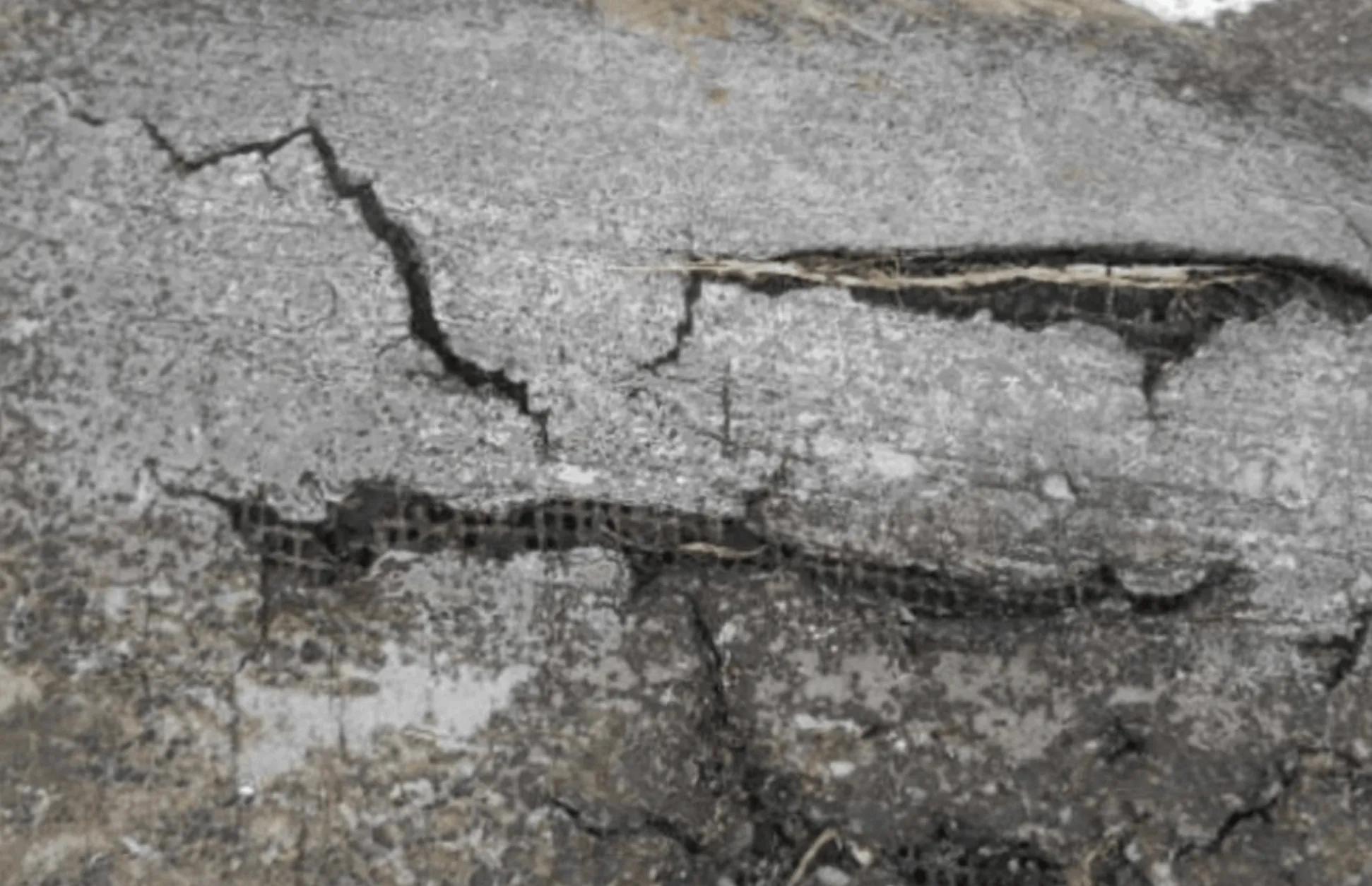
Commercial Roof Leak Repair starts with roof evidence around NC-147 and I-40 service-window planning. We document the roof condition in plain language so ownership can choose repair, recovery, coating, or replacement with fewer surprises.

Commercial Roof Replacement
Commercial Roof Replacement starts with roof evidence around American Tobacco Campus roof access and tenant-hour limits. We separate the leak, access, schedule, and material questions before a recommendation is priced.
Commercial Re-Roofing
Commercial Re-Roofing starts with roof evidence around Research Triangle Park lab and office schedules. We separate the leak, access, schedule, and material questions before a recommendation is priced.
Services
Acrylic and Silicone Roof Restoration for commercial buildings across Durham, Research Triangle Park, Chapel Hill, Raleigh, and the greater Triangle commercial corridor.
Durham's municipal building portfolio has grown and evolved alongside the city's remarkable transformation over the past two decades, but the core civic infrastructure—City Hall on Chapel Hill Street, the Durham County Courthouse complex on East Main, the Durham Police Department headquarters, fire stations distributed across a city that has grown to over 300,000 residents, and the Durham County Public Library with its Main Branch on South Roxboro Street—presents a diverse roofing maintenance challenge. The Bull City's building stock ranges from mid-twentieth century flat-roofed municipal offices to recently constructed public safety facilities that incorporate modern envelope systems, and the contractors who serve this market must be capable of working competently across all of them while satisfying Durham's thorough public procurement requirements.
North Carolina's public procurement framework for construction is established under Article 8 of General Statute Chapter 143, which sets formal bidding requirements for public entities above defined contract value thresholds. The City of Durham's Purchasing Division administers solicitations for city-owned facilities, while Durham County's Finance Department handles county-owned building procurement separately. Both entities advertise bid opportunities through the North Carolina Interactive Purchasing System and through local notice in the Durham Herald-Sun. North Carolina law requires that construction contracts above the formal threshold be awarded to the lowest responsible bidder following a public bid opening, and the state's bidding requirements do not allow the kind of qualifications-based selection that private sector clients often prefer. This price-competitive environment rewards contractors who manage their overhead and labor costs efficiently without sacrificing the quality of materials and workmanship that municipal clients require.
Durham's Piedmont location subjects municipal roofing systems to a climate that blends the humidity of the Atlantic coastal plain with the convective storm patterns of the Carolina foothills. Summer temperatures regularly exceed 95 degrees Fahrenheit with high relative humidity, creating heat stress on roofing membranes and accelerating biological growth—algae, moss, and lichen—on flat-roofed municipal buildings in shaded areas near tree canopies. Hurricane remnants track through the Piedmont several times per decade, delivering sustained high winds and multi-day rainfall events that probe every membrane seam and flashing detail. The tropical moisture associated with these systems can saturate roofing insulation over a relatively short period when flashings have deteriorated, making regular infrared moisture scanning a prudent investment for the city's Facilities Maintenance Division.
Historic preservation intersects with Durham municipal roofing at several significant structures. The is a National Register-listed Neoclassical Revival building with a prominent copper-clad dome and ornate limestone cornices that frame the roof transitions. Any roofing work on the courthouse involving state or federal funding requires coordination with the North Carolina State Historic Preservation Office, and the Durham Historic Preservation Commission maintains design review jurisdiction over designated landmarks within city limits. Contractors who have successfully restored copper dome systems on comparable Carolinas courthouse buildings—such as work on historic county courthouses in Hillsborough, Pittsboro, or Raleigh—have documentable qualifications that the county's facilities staff values when evaluating bid submittals on complex historic re-roofing projects.
Energy performance requirements are growing in importance within Durham's municipal facilities specifications. The City of Durham's Climate Emergency Resolution, adopted in 2019, commits city operations to 100 percent renewable energy by 2040, and the city's Sustainability Office works with the Facilities Maintenance Division to incorporate energy efficiency upgrades into capital improvement projects wherever cost-effective. Re-roofing projects on city-owned flat-roof buildings are increasingly treated as opportunities to improve continuous insulation to meet the 2021 North Carolina Energy Conservation Code minimums, and highly reflective membrane surfaces on city facilities contribute to urban heat island mitigation in a downtown that has seen significant densification. Duke Energy's commercial energy efficiency incentive programs have provided rebate funding that partially offsets the incremental cost of insulation upgrades included in several recent city re-roofing projects.
Durham Fire Rescue operates stations throughout the city, and several of the older station buildings in neighborhoods like Old West Durham and Watts-Hillandale occupy brick structures from the 1950s and 1960s with original built-up roofing systems that have far exceeded their service lives. Re-roofing these stations involves not only membrane replacement but also parapet rebuilding, gutter relining, and the careful re-integration of apparatus bay door tracks and overhead equipment that has been retrofitted over decades. The Durham City-County Emergency Communications Center on Foster Street—which dispatches for both city and county emergency services—carries its own roof maintenance obligation that the city treats with exceptional urgency, given that any disruption to the communications infrastructure housed in that building affects emergency response across the entire county.
North Carolina does not have a state prevailing wage law, so federal Davis-Bacon and Related Acts compliance is the primary wage standard that Durham public roofing contractors encounter on federally funded projects. Durham receives HUD Community Development Block Grant allocations as an entitlement community, and CDBG-funded improvements to city-owned facilities trigger Davis-Bacon requirements. The Durham Department of Community Development administers federal grant compliance, and its staff conducts periodic payroll audits on active construction projects. Contractors who work primarily in the private sector and are unaccustomed to certified payroll submissions, labor classification distinctions between journeymen and apprentices, and the weekly reporting cadence should budget additional administrative time when bidding Davis-Bacon covered Durham public work for the first time.
Bond requirements for Durham public roofing contracts follow North Carolina General Statute Chapter 44A-26 and Chapter 44A-27 for public works, which require performance and payment bonds on contracts above the statutory threshold. The payment bond protects subcontractors and material suppliers who might otherwise have no direct claim against a public entity's property—since public buildings cannot be subjected to mechanics' liens under state law—making the payment bond particularly important in North Carolina's public sector construction environment. Surety companies must be authorized to do business in North Carolina, and the city's standard bid documents include a specific surety approval process that contractors should review carefully before naming their surety agent in a bid submission.
Durham County's facilities portfolio includes the Historic Courthouse, the new Durham County Judicial Building, the county library system, the Durham County Health Department on East Main Street, and the Durham County Sheriff's Office facilities. Contractors who build credibility with the City of Durham's Purchasing Division frequently find that Durham County's procurement staff is receptive to their track record, and the shared geography means that subcontractor networks, material supplier relationships, and knowledge of local site conditions carry across both procurement systems with minimal duplication of effort. The Triangle market's continued growth is driving new public safety facility construction as well as replacement roofing work on the older generation of municipal buildings, making Durham a consistently productive market for contractors who invest in understanding North Carolina public procurement.