
Modified Bitumen Roofing in Durham, NC
We handle modified bitumen roofing by starting with the roof evidence owners can act on: photos, access limits, drainage notes, wet-area clues, and the operating constraints around Southpoint retail traffic and phased staging.
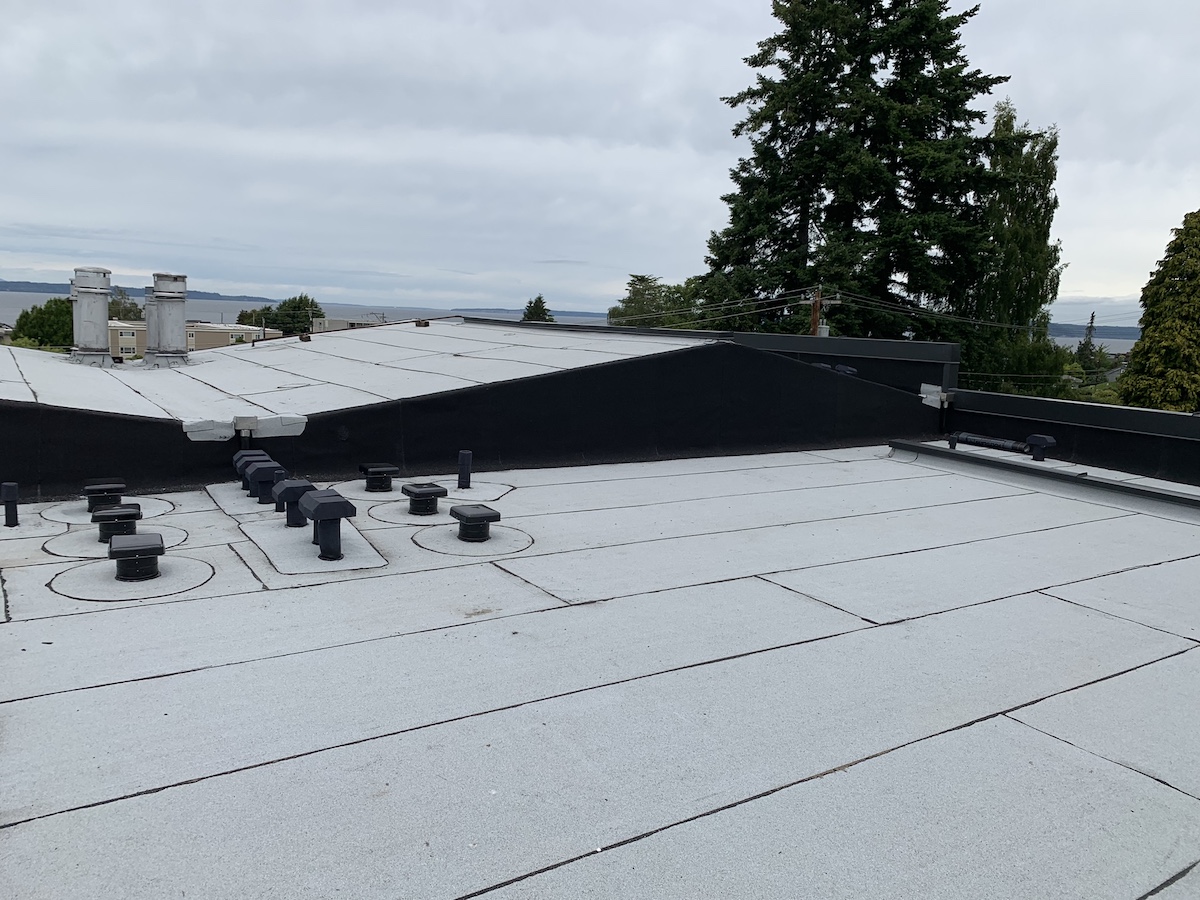
Fast answers still need roof evidence.
We plan the work around active tenants, roof access, weather exposure, and the actual system already on the building. Around American Tobacco Campus roof access and tenant-hour limits and Duke Health and Duke University occupied-building constraints, the right scope often depends on timing as much as material choice.
Start ReviewWhat gets checked.
We separate the leak, access, schedule, and material questions before a recommendation is priced. The recommendation stays practical: what should be controlled now, what needs pricing, and what deserves a capital plan before the next weather window.
We look at membrane seams, roof drains, edge metal, penetrations, rooftop units, previous repairs, and safe access before pricing work.
What owners receive.
A written scope with photos, limits, schedule notes, and a practical recommendation for repair, recovery, coating, or replacement.
Contact UsRelated Roof Paths
Compare the next decision.
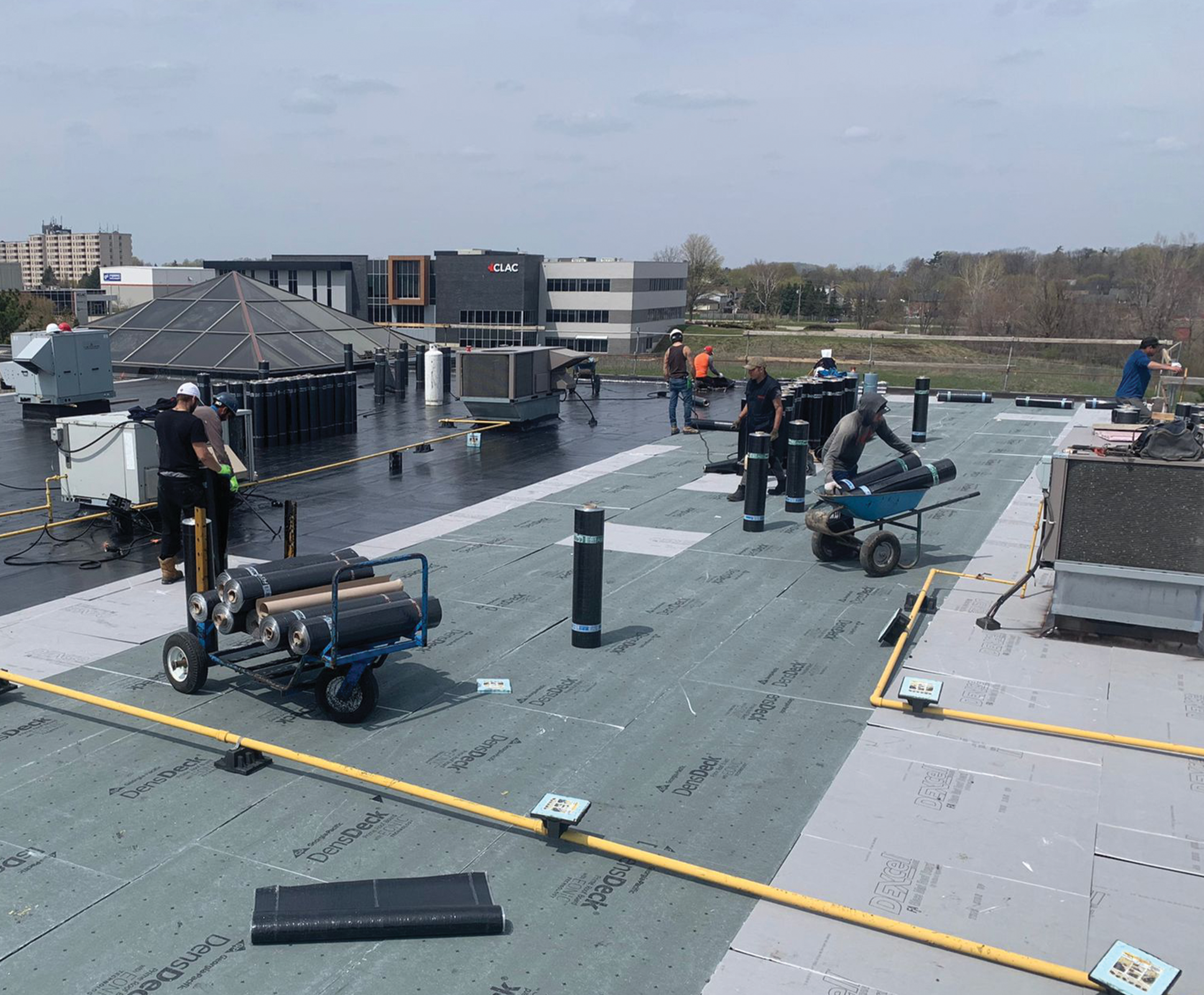
Commercial Roofing
Commercial Roofing starts with roof evidence around Duke Health and Duke University occupied-building constraints. We separate the leak, access, schedule, and material questions before a recommendation is priced.
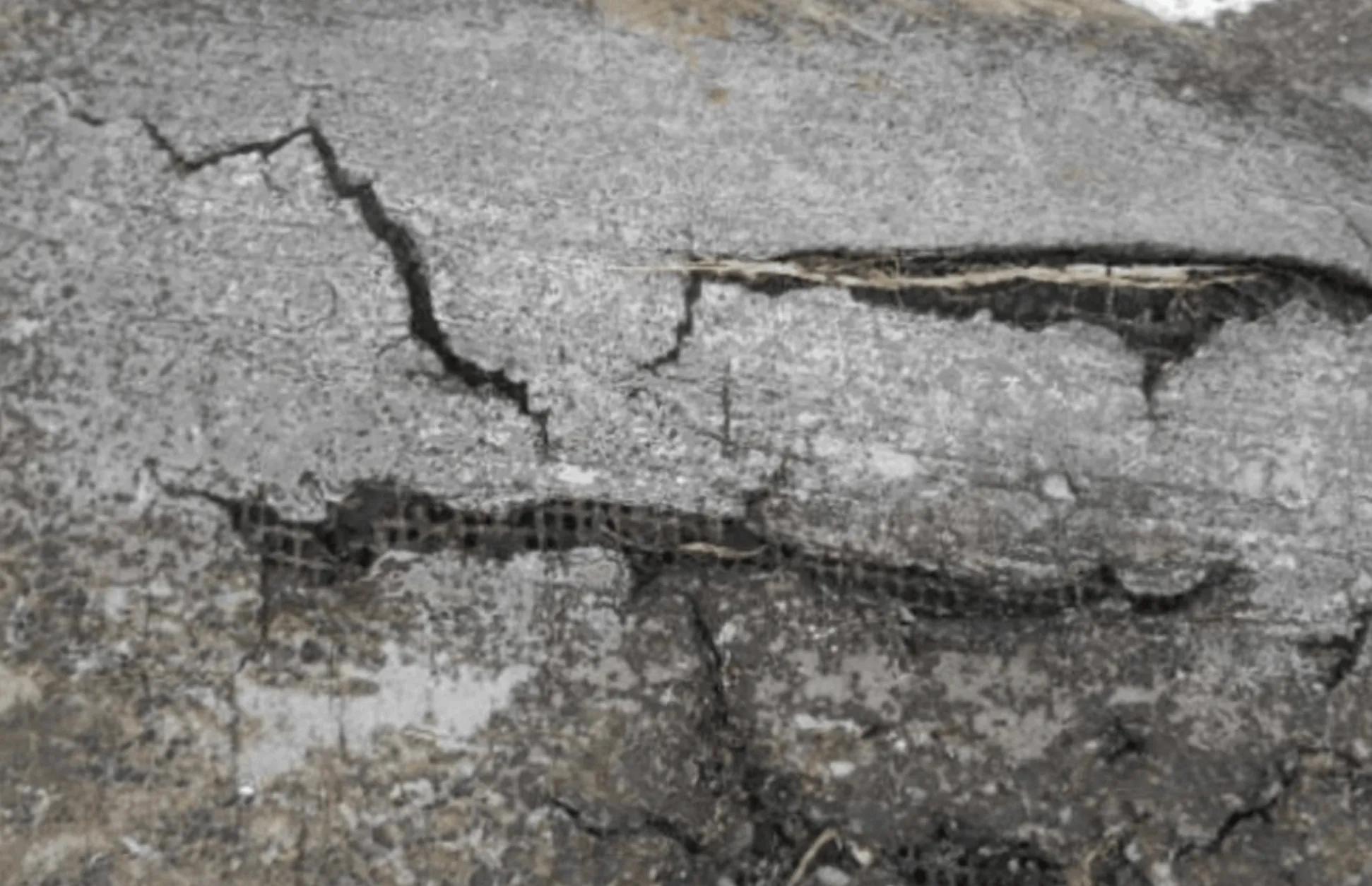
Commercial Roof Leak Repair
Commercial Roof Leak Repair starts with roof evidence around NC-147 and I-40 service-window planning. We document the roof condition in plain language so ownership can choose repair, recovery, coating, or replacement with fewer surprises.
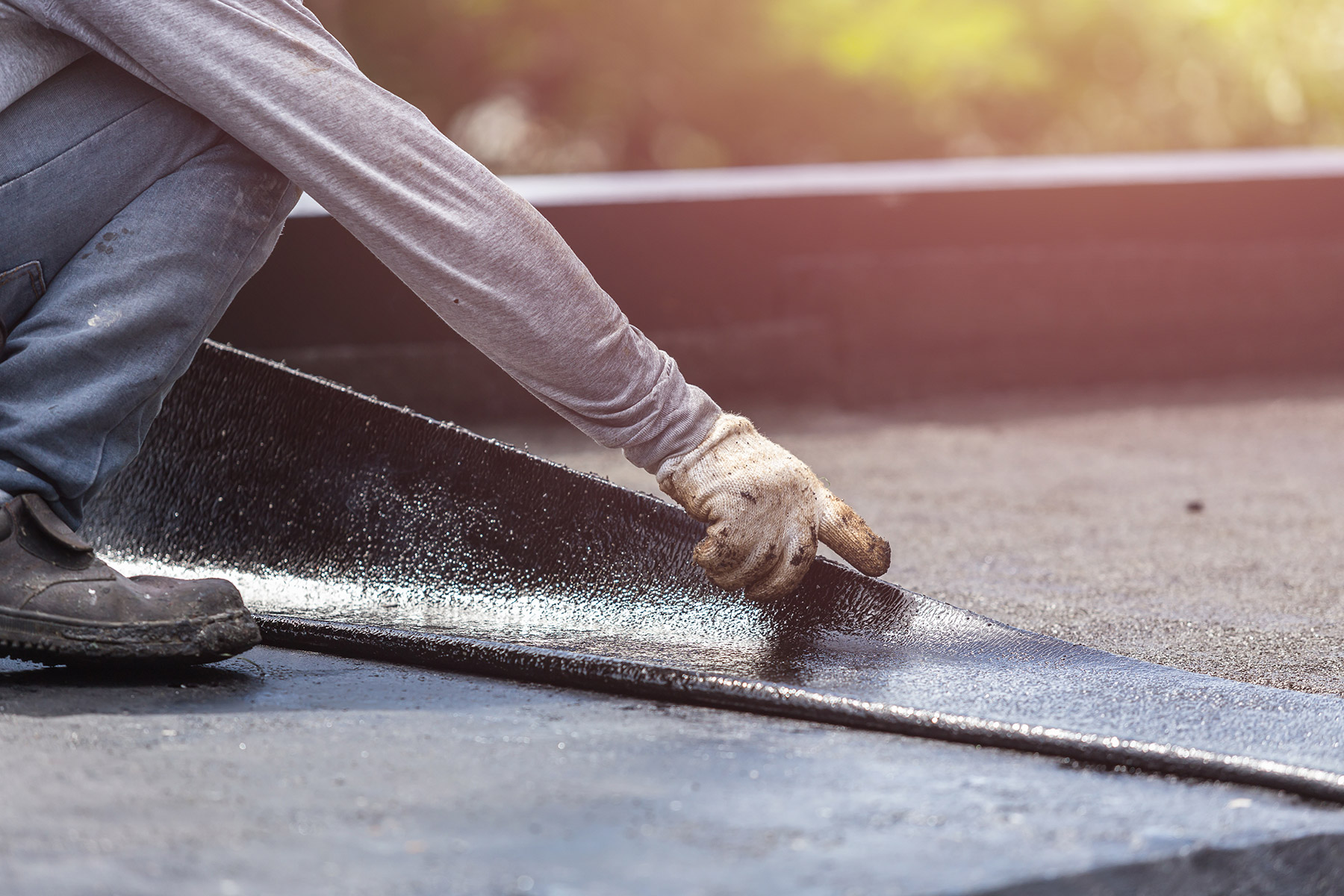
Commercial Roof Replacement
Commercial Roof Replacement starts with roof evidence around American Tobacco Campus roof access and tenant-hour limits. We separate the leak, access, schedule, and material questions before a recommendation is priced.
Commercial Re-Roofing
Commercial Re-Roofing starts with roof evidence around Research Triangle Park lab and office schedules. We separate the leak, access, schedule, and material questions before a recommendation is priced.
Services
Modified Bitumen Roofing for commercial buildings across Durham, Research Triangle Park, Chapel Hill, Raleigh, and the greater Triangle commercial corridor.
Modified bitumen is the workhorse of Durham's older commercial building stock. Drive through the Golden Belt campus, walk the edges of the Warehouse District, or look up at the flat roofs on the older brick buildings along Ninth Street — a lot of what you're seeing is mod-bit, either torch-applied APP or cold-applied SBS, some of it installed in the 1990s and still performing. When we get called to these buildings, the question isn't usually "what went wrong" — it's "how much service life is left and what does the next 20 years look like."
SBS-modified bitumen is the material we install most often for new work. The styrene-butadiene-styrene modifier gives the base bitumen rubber-like flexibility — it can stretch and recover with thermal movement rather than cracking under stress. In Durham's climate, where you get 64-plus freezing-low days a year and then a summer that routinely hits the low 90s, that thermal cycling is constant. SBS handles it better than the older APP (atactic polypropylene) materials that were common in earlier generations of torch-applied systems — APP is stiffer and more brittle in cold weather, which is why you see lap cracking on older torch-applied roofs in the Triangle.
The two-ply system is what gives modified bitumen its durability advantage over single-ply membranes. A base sheet, properly fastened and lapped, is followed by a cap sheet that's either torched, cold-adhered, or heat-welded depending on the system. That second layer of coverage means a flaw in one layer doesn't automatically become a leak — there's redundancy built into the assembly. On buildings in the Duke University area and the NCCU campus neighborhood where you have aged institutional structures with decades of rooftop penetrations, modifications, and additions, that redundancy is worth something.
Torch-applied mod-bit requires trained crews and a fire watch protocol — open-flame work on a roof has obvious risk, and on historic buildings with wood decks or combustible substrate materials, we assess carefully before recommending torch application. The Warehouse District and the older industrial conversions near the Durham Freeway (NC-147) often have wood decking or lightweight steel construction that calls for cold-applied or self-adhered cap sheets instead. Cold-applied SBS systems have improved substantially in adhesive quality and performance over the past decade — they're not a compromise; they're the right call on certain substrates.
Granule-surfaced cap sheets are the standard finish for mod-bit in commercial applications. The ceramic-coated granules protect the bitumen from UV degradation, add fire resistance, and give the finished surface its characteristic texture. Smooth-surface cap sheets exist and are used under coatings, but for exposed installations, granule surface is standard. On older Durham buildings where the cap sheet has lost granule coverage — bare bitumen spots are visible to any inspector on a roof walk — that's UV degradation in progress and a signal that the remaining service life is limited.
Drain and penetration details on mod-bit systems are where we spend a lot of our repair time on older buildings. Durham's rainfall pattern — 46 inches annually with heavy convective events that can drop two inches in an afternoon — puts constant pressure on drain bowls, clamping rings, and the bitumen collar around each drain. On buildings that haven't had drain maintenance, we find cracked collars, loose clamping rings, and ponded water zones that have been saturating the insulation for years without triggering an interior leak visible enough to prompt a call. Core cuts around drains on older mod-bit buildings routinely come back wet.
Re-covering an existing mod-bit roof with new mod-bit is one of the most common scopes we do on Durham's mid-century commercial buildings. The existing base sheet provides a stable substrate, and a properly installed recover cap sheet over a dry base can extend the system's life by 15–20 years without the cost and disruption of full tear-off. The condition of the existing base sheet matters — if the base sheet laps have separated or the base sheet itself has moisture intrusion, the recover is building on a compromised foundation. We don't approve a recover without confirming what we're building on.
Historic and architecturally significant buildings in Durham sometimes present constraints on modified bitumen work. The parapet walls and wall flashings on older brick buildings along the American Tobacco Campus or the Brightleaf District are often part of the building's historic character, and how we terminate and flash the roof system at those parapets requires care. We use metal counterflashing and sealant systems that are reversible and don't damage historic masonry — not just bituminous caulk packed into a mortar joint, which is a temporary fix that creates a long-term masonry problem.
Questions Owners Ask
SBS (styrene-butadiene-styrene) is rubber-modified bitumen — flexible, cold-weather tolerant, and recovers from thermal movement. APP (atactic polypropylene) is plastic-modified — stiffer, better UV resistance when properly granule-surfaced, but prone to cracking in cold temperatures. Durham's combination of cold winters and hot summers makes SBS the better fit. APP was more common in torch-applied systems installed through the 1990s; most of the older mod-bit we inspect in Durham is APP, and lap cracking in cold weather is a common finding.
A quality two-ply SBS system, properly installed and maintained, runs 20–25 years under Triangle conditions. The cap sheet granule surface is the limiting factor — once granule coverage degrades and bare bitumen is exposed to UV, the clock accelerates. Annual inspections to address drain maintenance, minor lap repairs, and early granule loss keep the system performing toward the long end of that range. Deferred maintenance — especially ignored drain issues — is the most common reason we see mod-bit systems fail significantly before their expected lifespan.
Torch application requires trained applicators, a fire extinguisher on the roof, and a post-application fire watch period. On buildings with combustible substrates — wood decking, wood nailers, or low-density fiberboard insulation — we evaluate carefully before recommending torch application. In many cases on older downtown Durham buildings, cold-applied or self-adhered SBS systems are the right specification, not because they perform worse, but because the substrate and fire risk profile make cold application the prudent choice. We don't default to torch application just because it's faster.
Yes. A mod-bit recover over existing mod-bit, BUR, or certain single-ply substrates is a well-established approach on buildings with dry insulation and a structurally sound existing system. The existing base sheet typically serves as the substrate for the new cap sheet installation. We take core cuts to confirm insulation moisture content before approving a recover — wet insulation under a new cap sheet accelerates deterioration and can cause the new system to fail well before its expected lifespan.
A proper mod-bit inspection covers lap seam integrity (probing each lap for separation or lifting), granule coverage across the field, drain bowl and clamping ring condition, penetration flashing integrity, and parapet/counterflashing terminations. We also look for ponding water patterns — areas that hold water after rain indicate drainage problems that accelerate system degradation. On Durham commercial buildings, we recommend inspections twice a year — spring before hurricane season and fall before winter — plus after any significant storm event.
Commercial Roofing of Durham
Questions Owners Ask
What's the difference between SBS and APP modified bitumen, and which is better for Durham?
SBS (styrene-butadiene-styrene) is rubber-modified bitumen — flexible, cold-weather tolerant, and recovers from thermal movement. APP (atactic polypropylene) is plastic-modified — stiffer, better UV resistance when properly granule-surfaced, but prone to cracking in cold temperatures. Durham's combination of cold winters and hot summers makes SBS the better fit. APP was more common in torch-applied systems installed through the 1990s; most of the older mod-bit we inspect in Durham is APP, and lap cracking in cold weather is a common finding.
How long does modified bitumen roofing last?
A quality two-ply SBS system, properly installed and maintained, runs 20–25 years under Triangle conditions. The cap sheet granule surface is the limiting factor — once granule coverage degrades and bare bitumen is exposed to UV, the clock accelerates. Annual inspections to address drain maintenance, minor lap repairs, and early granule loss keep the system performing toward the long end of that range. Deferred maintenance — especially ignored drain issues — is the most common reason we see mod-bit systems fail significantly before their expected lifespan.
Is torch-applied modified bitumen safe on older buildings?
Torch application requires trained applicators, a fire extinguisher on the roof, and a post-application fire watch period. On buildings with combustible substrates — wood decking, wood nailers, or low-density fiberboard insulation — we evaluate carefully before recommending torch application. In many cases on older downtown Durham buildings, cold-applied or self-adhered SBS systems are the right specification, not because they perform worse, but because the substrate and fire risk profile make cold application the prudent choice. We don't default to torch application just because it's faster.
Can modified bitumen be installed over an existing roof?
Yes. A mod-bit recover over existing mod-bit, BUR, or certain single-ply substrates is a well-established approach on buildings with dry insulation and a structurally sound existing system. The existing base sheet typically serves as the substrate for the new cap sheet installation. We take core cuts to confirm insulation moisture content before approving a recover — wet insulation under a new cap sheet accelerates deterioration and can cause the new system to fail well before its expected lifespan.
What does a modified bitumen inspection involve, and how often should it happen?
A proper mod-bit inspection covers lap seam integrity (probing each lap for separation or lifting), granule coverage across the field, drain bowl and clamping ring condition, penetration flashing integrity, and parapet/counterflashing terminations. We also look for ponding water patterns — areas that hold water after rain indicate drainage problems that accelerate system degradation. On Durham commercial buildings, we recommend inspections twice a year — spring before hurricane season and fall before winter — plus after any significant storm event.