
Restaurant and Food Service Building Roofing in Durham, NC
We handle restaurant and food service building roofing by starting with the roof evidence owners can act on: photos, access limits, drainage notes, wet-area clues, and the operating constraints around Duke Health and Duke University occupied-building constraints.
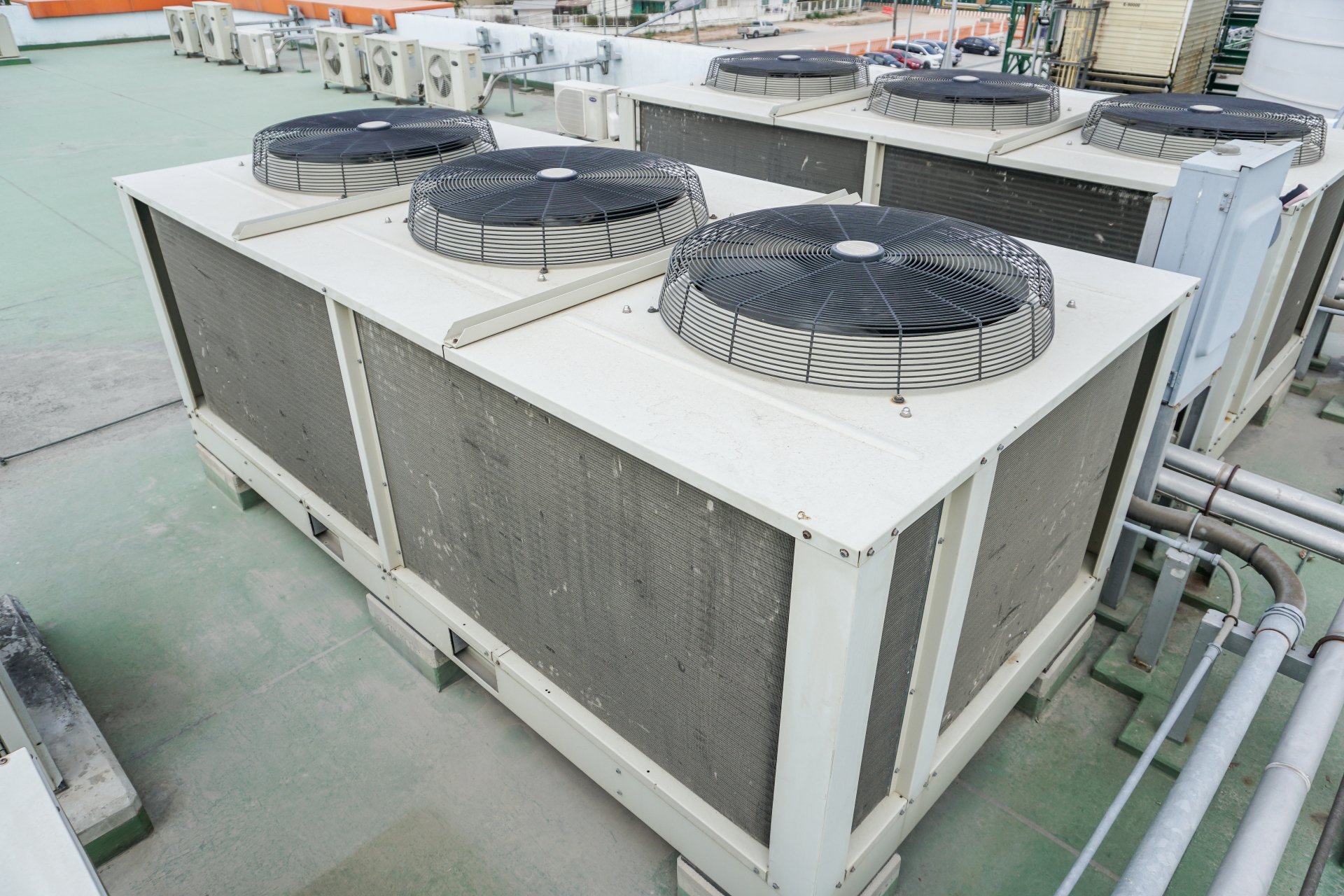
Fast answers still need roof evidence.
We plan the work around active tenants, roof access, weather exposure, and the actual system already on the building. Around Treyburn and Ellis Road industrial roof areas and humid Piedmont summers and quick freeze-thaw swings, the right scope often depends on timing as much as material choice.
Start ReviewWhat gets checked.
We separate the leak, access, schedule, and material questions before a recommendation is priced. The recommendation stays practical: what should be controlled now, what needs pricing, and what deserves a capital plan before the next weather window.
We look at membrane seams, roof drains, edge metal, penetrations, rooftop units, previous repairs, and safe access before pricing work.
What owners receive.
A written scope with photos, limits, schedule notes, and a practical recommendation for repair, recovery, coating, or replacement.
Contact UsRelated Roof Paths
Compare the next decision.
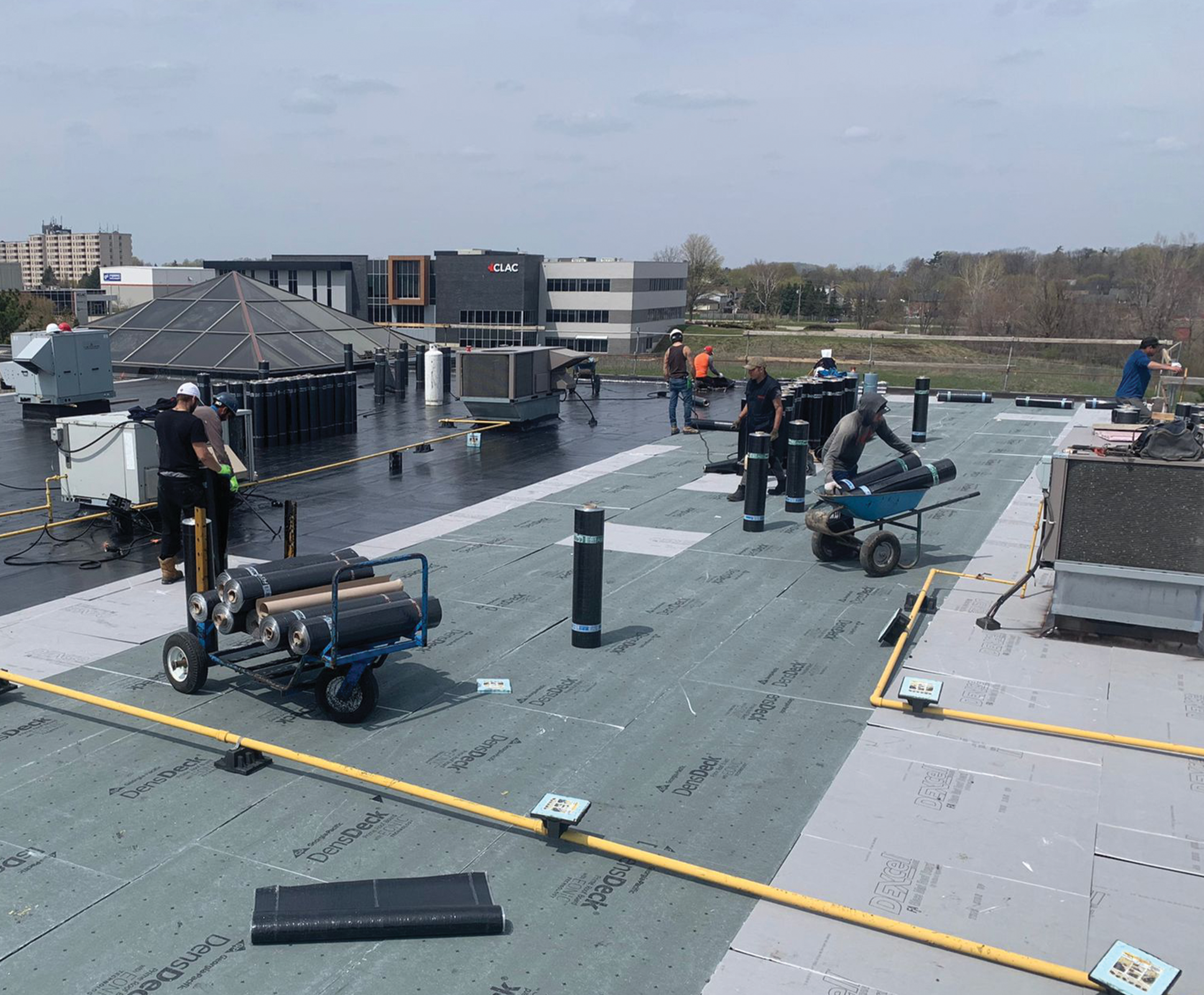
Commercial Roofing
Commercial Roofing starts with roof evidence around Duke Health and Duke University occupied-building constraints. We separate the leak, access, schedule, and material questions before a recommendation is priced.
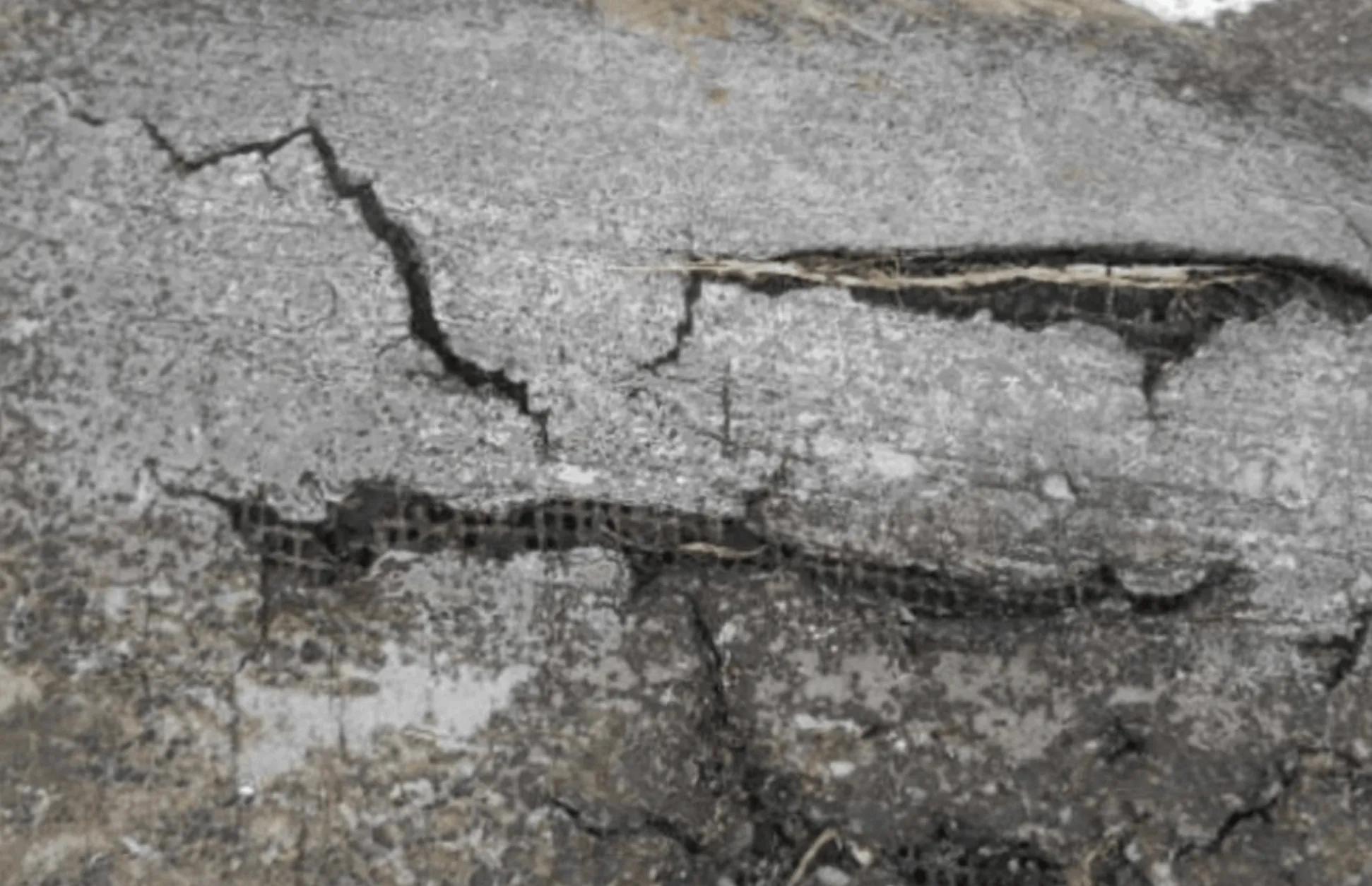
Commercial Roof Leak Repair
Commercial Roof Leak Repair starts with roof evidence around NC-147 and I-40 service-window planning. We document the roof condition in plain language so ownership can choose repair, recovery, coating, or replacement with fewer surprises.

Commercial Roof Replacement
Commercial Roof Replacement starts with roof evidence around American Tobacco Campus roof access and tenant-hour limits. We separate the leak, access, schedule, and material questions before a recommendation is priced.
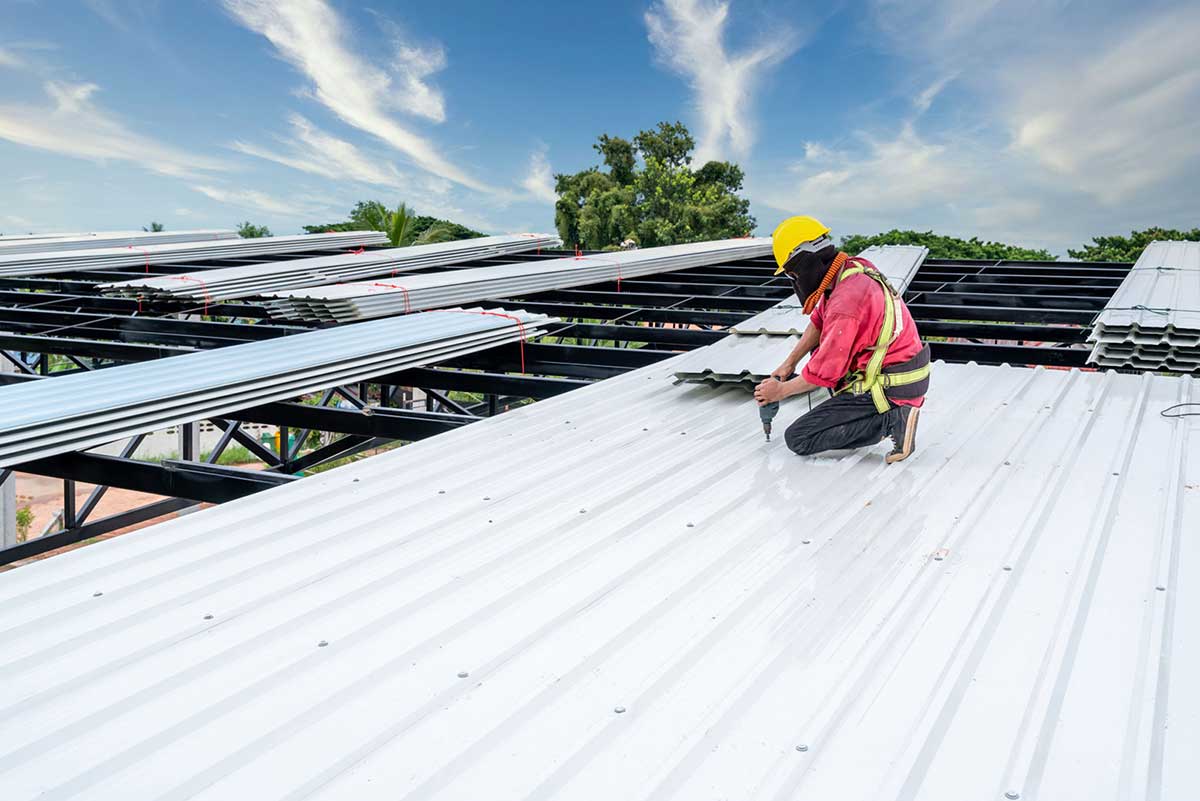
Commercial Re-Roofing
Commercial Re-Roofing starts with roof evidence around Research Triangle Park lab and office schedules. We separate the leak, access, schedule, and material questions before a recommendation is priced.
Services
Acrylic and Silicone Roof Restoration for commercial buildings across Durham, Research Triangle Park, Chapel Hill, Raleigh, and the greater Triangle commercial corridor.
Durham's food culture has emerged as one of the Southeast's most celebrated, driven by the James Beard–recognized restaurant scene in the Brightleaf and Ninth Street districts and fed by the university-driven demand of the Research Triangle. The city's restaurant density has grown steadily alongside its tech economy, with food halls in the American Tobacco Campus and fast-casual expansion along Hillsborough Road pushing more commercial kitchen operations into buildings that weren't always designed with serious rooftop mechanical loads in mind. For Durham restaurant owners and operators, flat roofs protecting active kitchens require more specialized attention than the building's other systems often receive.
North Carolina's climate puts Durham in an interesting weather position—warm enough that freeze cycles aren't the dominant concern, but humid enough that moisture management is a constant challenge. The Piedmont's spring storm season brings hail that pits exposed membranes, and summer brings sustained heat and humidity that accelerates degradation of adhesives and lap seams on aging TPO systems. Restaurants in the Brightleaf district, operating in converted tobacco warehouse space, often discover that the existing membrane on those historic structures wasn't installed with modern restaurant mechanical loads in mind, and that the drainage patterns weren't designed for the HVAC curbs added during conversion.
Grease exhaust is the primary wear mechanism on Durham restaurant roofs. The kitchen hood systems serving the city's busy sit-down restaurants—from the farm-to-table concepts on Foster Street to the bar-and-kitchen operations in the Durham Central Park area—generate continuous exhaust that saturates the membrane surface near ventilation curbs. Grease infiltrates any separation in flashing, deteriorates the adhesive bond of improperly installed TPO lap seams, and creates health code exposure if it migrates into the building interior through a compromised ceiling. Properly fabricated curbs with fully heat-welded single-ply flashing are the baseline standard for any Durham restaurant with a serious kitchen operation.
The craft brewery and taproom scene in Durham—some of the most prolific in North Carolina—adds a specialized roofing requirement that standard commercial contractors often underestimate. Steam exhaust from kettle operations, glycol system venting, and compressed CO2 storage vents all create penetrations that need to be engineered, not improvised. Durham's humidity makes steam condensation a particular concern at those exhaust points, where moisture can run back down the flashing collar and find gaps into the roof assembly. Contractors working on Durham brewing facilities should have direct experience with food and beverage production penetration details.
Walk-in cooler roofing details are a recurring issue in Durham's older restaurant buildings, particularly in the retrofitted industrial structures that characterize the American Tobacco Campus and the Warehouse District. When walk-in boxes were added during restaurant conversions, roofing contractors didn't always install proper vapor barriers or account for the condensation generated by the cooler's refrigeration system. Years later, building owners discover insulation compression, deck corrosion, or ceiling staining that traces back to a missing or misplaced vapor retarder. Any roofing evaluation for a Durham food service building should specifically assess the condition of the insulation assembly above and around walk-in equipment.
Durham's QSR and fast-food corridor along Guess Road and North Roxboro Street includes a dense concentration of national franchises that face the same remodel-cycle roofing challenges seen in other markets. Prototype refreshes, new drive-through canopy installations, and kitchen ventilation upgrades all punch new penetrations through existing membranes. In the Triangle market, contractors without QSR-specific experience sometimes treat these penetrations as standard commercial work, skipping the curb details and grease-resistant flashing specifications that a food service roof actually requires. The result is failures that show up within two to three seasons of a remodel completion.
Health code compliance in Durham is administered through Orange and Durham County health departments, and both have documented cases where roof-related moisture intrusion contributed to citation conditions in food preparation areas. Ceiling staining, mold presence above prep surfaces, and evidence of water infiltration near walk-in equipment are common inspection flags. Durham restaurant operators who stay ahead of roof maintenance avoid the compliance exposure and the revenue interruption of mandatory corrections. Connecting roofing inspections to the annual health permit renewal cycle is a practical way to keep both systems synchronized.
The flat membrane systems on Durham's busiest restaurants take meaningful heat wear from the Piedmont summer. Rooftop HVAC condensing units add localized heat load, and the high solar reflectance demands of a summer that routinely exceeds 95°F makes TPO's white surface a practical choice for reducing cooling loads inside restaurant kitchens. But high-reflectance membranes require proper installation to deliver on that performance—dirty or chalked TPO absorbs heat instead of reflecting it, negating the efficiency benefit and accelerating the membrane's own UV degradation. Keeping rooftop surfaces clean and inspected is part of managing energy costs for Durham restaurants operating through a long warm season.
Minimizing downtime is the standard that every Durham restaurant owner should hold contractors to. The city's competitive dining market means a restaurant that loses service during a busy Thursday evening risks more than a single night's revenue. Experienced commercial roofing contractors phase their work around kitchen operating schedules, complete the most disruptive phases during off-hours, and avoid open-flame equipment near food service areas. Phased TPO or PVC installation allows sections of the roof to be fully sealed and waterproofed between work windows, so the building is never left exposed overnight. Reviewing a contractor's food service project history before award is the single most reliable filter for getting this right.