
Roof Tear-Off and Replacement in Durham, NC
We handle roof tear-off and replacement by starting with the roof evidence owners can act on: photos, access limits, drainage notes, wet-area clues, and the operating constraints around Southpoint retail traffic and phased staging.
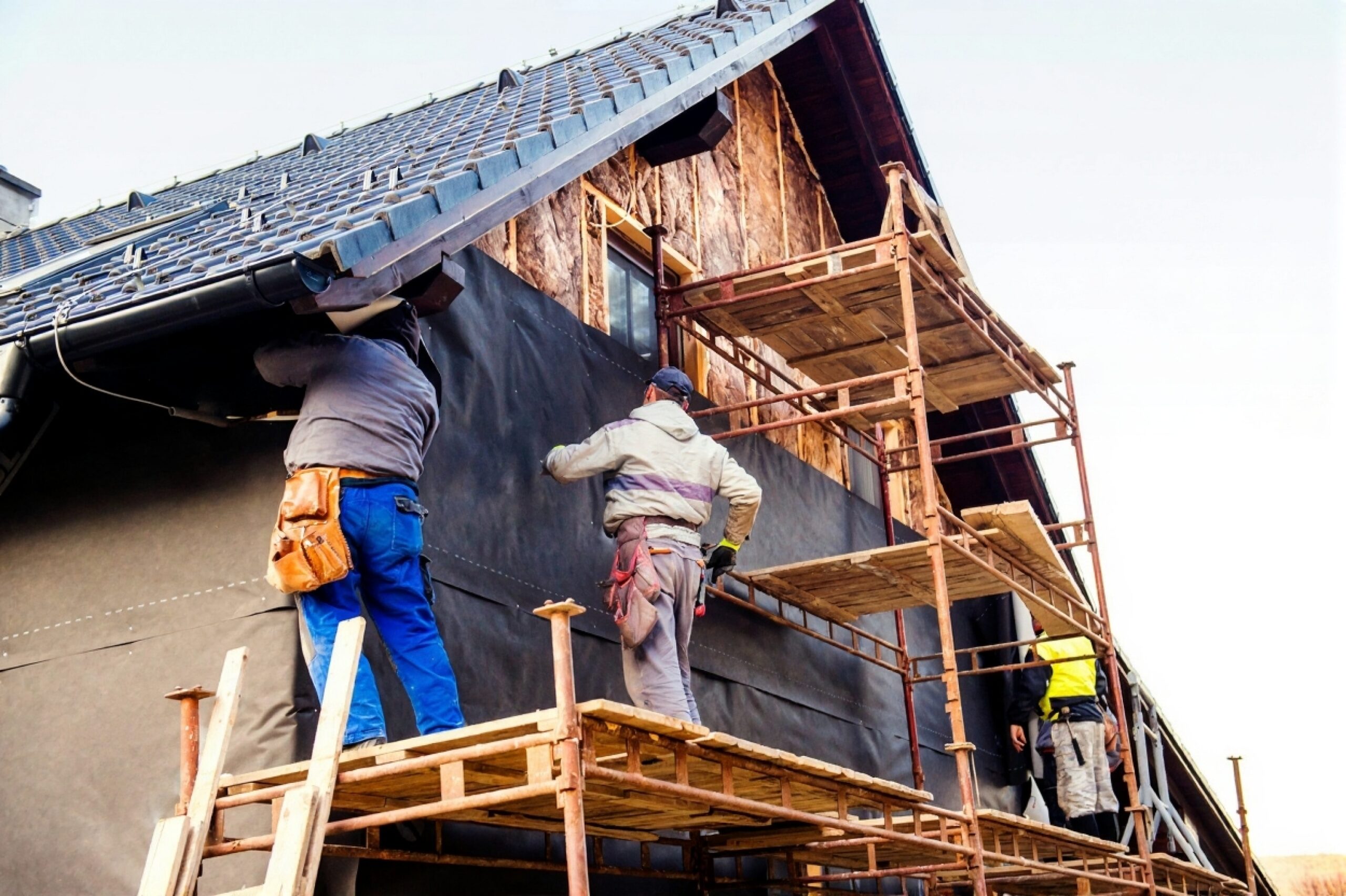
Fast answers still need roof evidence.
We separate the leak, access, schedule, and material questions before a recommendation is priced. Around American Tobacco Campus roof access and tenant-hour limits and Duke Health and Duke University occupied-building constraints, the right scope often depends on timing as much as material choice.
Start ReviewWhat gets checked.
We document the roof condition in plain language so ownership can choose repair, recovery, coating, or replacement with fewer surprises. The recommendation stays practical: what should be controlled now, what needs pricing, and what deserves a capital plan before the next weather window.
We look at membrane seams, roof drains, edge metal, penetrations, rooftop units, previous repairs, and safe access before pricing work.
What owners receive.
A written scope with photos, limits, schedule notes, and a practical recommendation for repair, recovery, coating, or replacement.
Contact UsRelated Roof Paths
Compare the next decision.
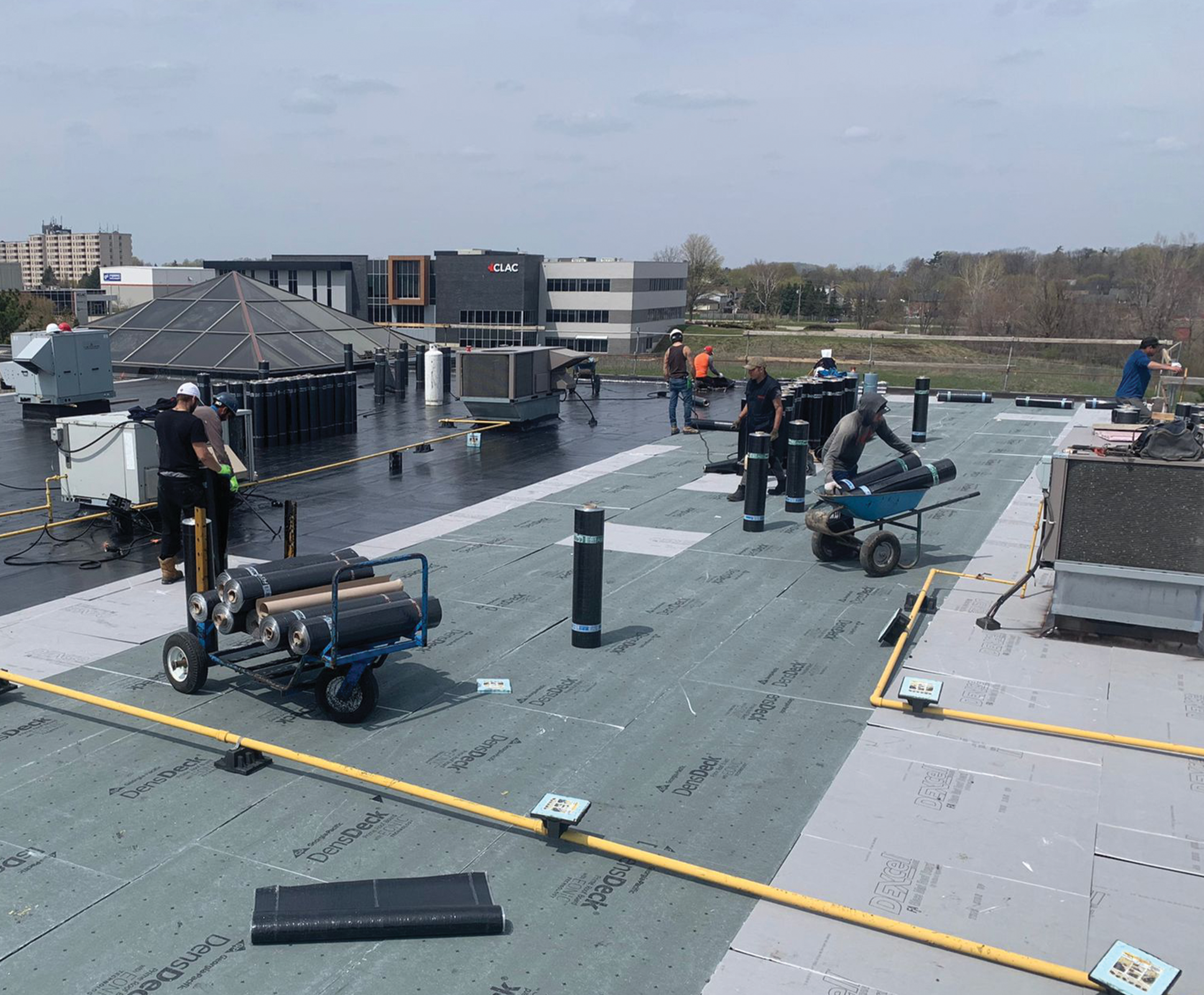
Commercial Roofing
Commercial Roofing starts with roof evidence around Duke Health and Duke University occupied-building constraints. We separate the leak, access, schedule, and material questions before a recommendation is priced.
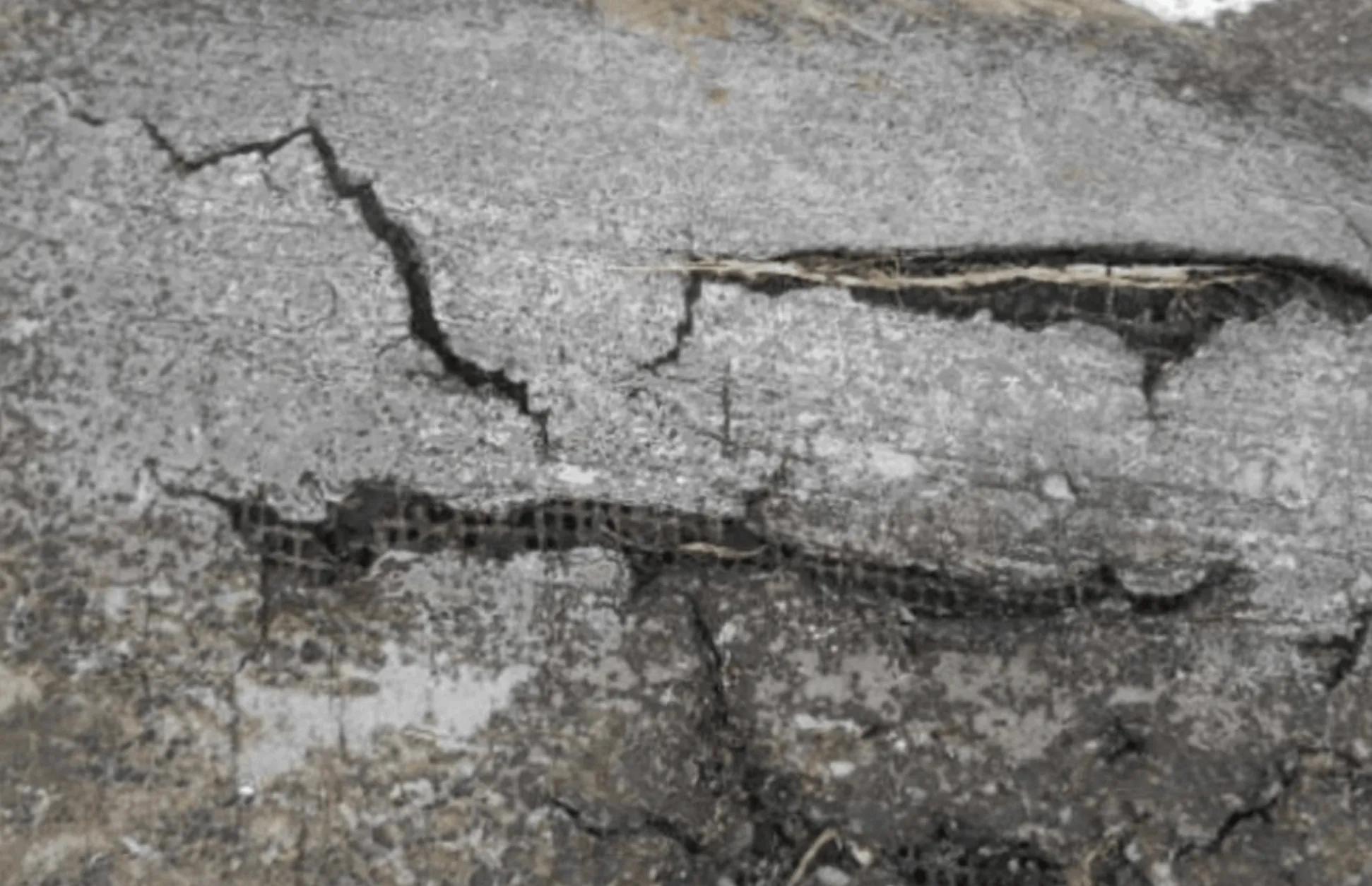
Commercial Roof Leak Repair
Commercial Roof Leak Repair starts with roof evidence around NC-147 and I-40 service-window planning. We document the roof condition in plain language so ownership can choose repair, recovery, coating, or replacement with fewer surprises.

Commercial Roof Replacement
Commercial Roof Replacement starts with roof evidence around American Tobacco Campus roof access and tenant-hour limits. We separate the leak, access, schedule, and material questions before a recommendation is priced.
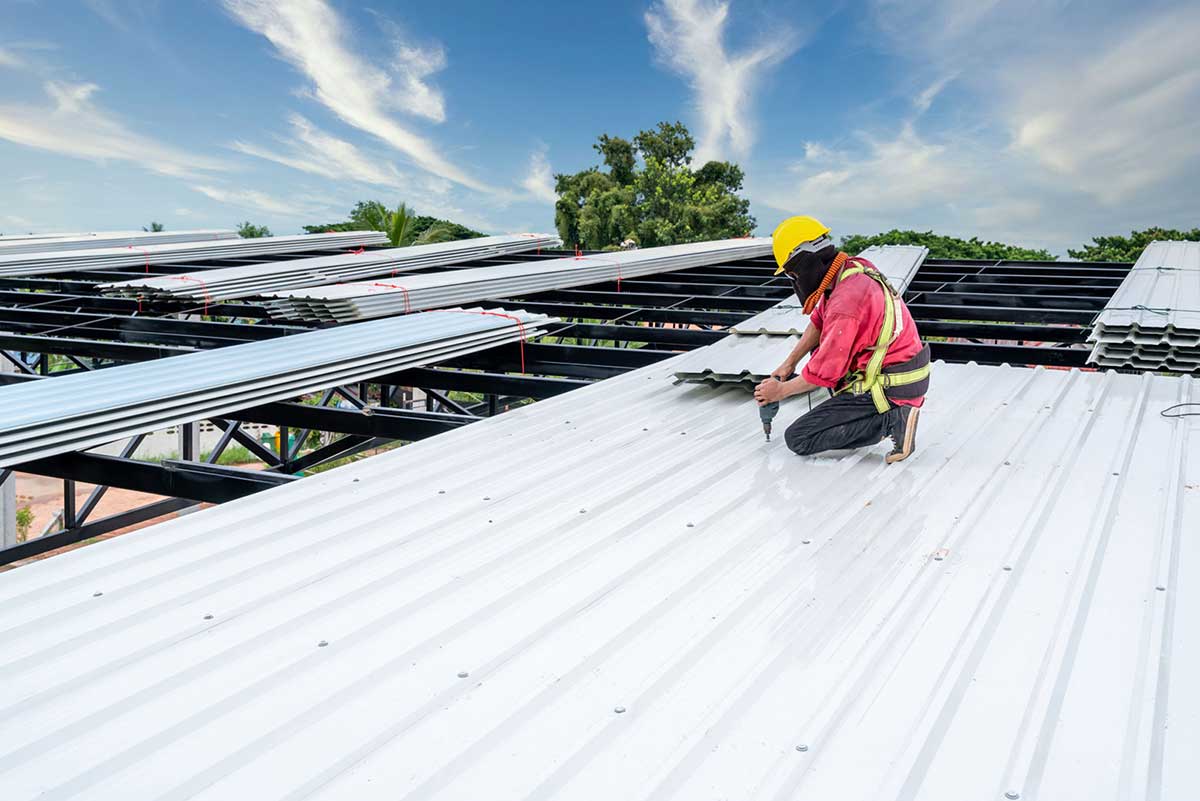
Commercial Re-Roofing
Commercial Re-Roofing starts with roof evidence around Research Triangle Park lab and office schedules. We separate the leak, access, schedule, and material questions before a recommendation is priced.
Services
Roof Tear-Off and Replacement for commercial buildings across Durham, Research Triangle Park, Chapel Hill, Raleigh, and the greater Triangle commercial corridor.
Tear-off and replacement is the most intensive scope in commercial roofing, and it's required when the existing system simply cannot serve as a base for a new one. The three conditions that force a full tear-off are wet or compressed insulation that has lost its R-value and will trap moisture under a new membrane, structural deck damage that needs direct access to repair, and existing layer count that has reached the code limit for re-cover. All three show up regularly on the commercial building stock in Durham — the combination of humid Triangle summers, buildings that went years between inspections, and a significant inventory of 1980s and 1990s construction that has never been torn off means we are doing a lot of tear-off work across RTP, the Ellis Road corridor, and downtown Durham's older commercial buildings.
Moisture in the insulation layer is the most common tear-off driver we document after completing a pre-replacement moisture scan. We use infrared thermography and nuclear moisture meters on every pre-replacement assessment — the infrared scan on a clear late afternoon shows wet insulation as heat signatures that persist after the sun moves off the surface, and nuclear readings confirm and quantify the moisture content. On a building along Miami Boulevard that a property manager believed had "a few small leak areas," we've opened the roof to find 40 percent of the insulation board saturated. That insulation cannot dry out under a new membrane; it becomes a reservoir that drives long-term deck corrosion and degraded thermal performance. The scan tells us whether tear-off is required before the owner commits to the scope.
Deck condition revealed after tear-off is the scope variable that generates the most surprises on Durham commercial projects. The structural steel deck on a 1985-era RTP office building that had a slow drain leak for the last decade of its roof life is likely to have corrosion at the flute valleys — exactly where water channels. We price deck repair as an allowance in every tear-off contract because we cannot know the extent until the membrane and insulation are removed. On buildings near the American Tobacco Campus and the older commercial stock in the Warehouse District, we've found wood deck substrates with soft spots, delamination, and in a few cases actual holes where the wood had completely rotted through. The deck has to be right before any new system goes down — a warranty is only as good as the substrate it's installed on.
Debris management is a logistics challenge that separates experienced commercial contractors from those who underestimate the scope. A full tear-off of a 30,000 square foot building with two existing roof systems — an original 1980s built-up roof topped with a 2005 EPDM recover — generates significant tonnage of material. We plan dumpster positioning, load routing across parking areas, and debris chute locations before mobilization. For buildings on constrained urban sites — a medical office building in the Duke University area, a retail center in the Brightleaf District with limited parking lot access — the logistics plan is as complex as the roofing work itself. We photograph and confirm all staging areas with the building owner before the first dumpster arrives, and we're responsible for cleaning up every debris trace when we leave.
Occupied-building tear-off at Durham hospitals, active labs in RTP, and operating retail centers requires a level of project management discipline that goes well beyond what most residential-focused contractors are prepared for. Duke University Health System facilities and the lab buildings along Page Road and T.W. Alexander Drive have explicit requirements around work hours, noise levels, vibration (which can affect sensitive lab equipment and patient care environments), and air quality. We work with facility managers to develop section-by-section phasing plans that limit the open roof area at any one time, require same-day dry-in of any torn-off section, and establish emergency contact protocols if weather moves in unexpectedly. The dry-in requirement is non-negotiable on occupied buildings — no section comes off the roof that can't be secured before we leave for the day.
Edge metal replacement is a tear-off scope item that is sometimes treated as optional but really isn't. The existing edge metal — coping cap, fascia, drip edge — has been through as many years of thermal cycling and UV exposure as the membrane. It's bent, it has sealant joint failures, and its fastening back to the parapet or wood nailer is often compromised. Terminating a new membrane system to old, fatigued edge metal defeats the purpose of the tear-off. We replace all edge metal as part of every full tear-off contract and specify SMACNA-compliant details on new edge metal installation. The edge is statistically where a disproportionate share of roof failures originate, and it's the detail that should be resolved when everything else is fresh.
Drain system evaluation during tear-off is the opportunity to right-size a drainage system that may never have been adequate. Once the membrane and insulation are off the deck, drain bowls are exposed and can be replaced, sumps can be added or deepened, and additional drain penetrations can be core-drilled if the hydraulic analysis supports adding capacity. Given Durham's intense convective storm rainfall — multiple 3-inch-per-hour events in a typical summer, plus tropical remnants that can sustain high rainfall for 12-18 hours — getting the drainage right on a tear-off is worth the incremental cost. A roof that ponds water to 3-4 inches during a storm event is carrying a load the deck wasn't designed for and is creating a standing-water environment that degrades every membrane system prematurely.
The new system specification after tear-off should reflect the building's actual use, occupancy, and maintenance program going forward — not just whatever was there before. A building transitioning from warehouse to life-science lab use in RTP has different thermal performance requirements (energy code changes with occupancy), different roof-top equipment loads (lab exhaust fans and specialty HVAC), and different leak risk tolerance than the prior use. We treat the tear-off scope as a reset point and help the building owner make an informed new-system specification decision rather than defaulting to "same as existing."
Post-completion documentation on a tear-off project should include as-built photos of the deck condition before re-insulation, photos of all penetrations and edge metal details during construction, and the completed manufacturer inspection report if a warranted system was installed. For properties in the Durham commercial real estate market, this documentation has value at the next sale — it's the difference between a buyer's roofer saying "we don't know what's under there" and having a complete visual record of a freshly inspected deck with a fresh system installed over it. We deliver a complete project photo package to every tear-off client at project close-out.
Questions Owners Ask
The determination comes from a combination of moisture scan results, layer count, and deck assessment. If the moisture scan shows dry insulation, the building has only one existing roofing system, and an exploratory core sample shows sound deck and insulation below the membrane, a recover is likely code-compliant and technically appropriate. If the scan shows wet insulation, if the building already has two roofing systems stacked, or if there are visible signs of deck distress from above (soft spots when walking the roof, visible deflection at drains), tear-off is required. We present the scan data and make a documented recommendation — you're making the decision with full information.
Dry-in means the building is protected from rain penetration at the end of each work day — either because the new membrane has been installed over the torn-off section, or because a temporary cover (typically 10-mil poly or a temporary membrane) has been mechanically secured over any open area. On occupied buildings, dry-in at end of day is mandatory regardless of weather forecast. Forecasts are unreliable enough in the Triangle's convective storm season that any promise of "no rain tonight" is a gamble we won't take with a client's building. Dry-in planning is part of how we scope daily production rates — we never plan to tear off more in a day than we can reliably dry in before sundown.
Constrained access projects — urban Durham sites like downtown's Warehouse District, Ninth Street, or near NCCU where street parking is the only option — require a pre-mobilization site visit and a written staging plan. We coordinate dumpster permits with Durham Public Works when street placement is needed, work with the building owner on temporary parking alternatives for their tenants, and schedule heavy equipment arrivals during off-peak hours when possible. Material lifts on constrained sites sometimes require a swing-reach crane that can load from a street lane during a permitted window rather than staging material on grade. These logistics add cost, and they belong in the proposal — not as a surprise during the project.
Disruption duration depends on roof size, system complexity, and occupancy constraints. A 25,000 square foot single-tenant office building in RTP with good site access and no unusual occupancy restrictions typically runs 7-12 business days total for tear-off and new system installation. A hospital wing or active lab building with phased access requirements, noise windows, and daily dry-in mandates can extend the schedule significantly — the phasing itself creates overhead. We provide a project-specific schedule at proposal stage, not a generic estimate, and we include weather contingency days explicitly so you can plan tenant communications accordingly.
This is why we build deck repair as a unit-price allowance into every tear-off contract rather than excluding it. When we uncover deck damage beyond what the allowance covers, we stop, photograph the condition, and notify you immediately with a written change order showing the additional scope and cost before we proceed. You review and approve the change order; we don't proceed with additional work without your authorization. On larger buildings where deck condition is genuinely uncertain — older construction, known water history — we sometimes recommend an exploratory demolition scope before the full contract is signed, so you have real deck data before committing to the replacement budget.
Commercial Roofing of Durham
Questions Owners Ask
How do you know whether tear-off is actually required versus a recover being acceptable?
The determination comes from a combination of moisture scan results, layer count, and deck assessment. If the moisture scan shows dry insulation, the building has only one existing roofing system, and an exploratory core sample shows sound deck and insulation below the membrane, a recover is likely code-compliant and technically appropriate. If the scan shows wet insulation, if the building already has two roofing systems stacked, or if there are visible signs of deck distress from above (soft spots when walking the roof, visible deflection at drains), tear-off is required. We present the scan data and make a documented recommendation — you're making the decision with full information.
What is a "dry-in" and why does it matter during tear-off?
Dry-in means the building is protected from rain penetration at the end of each work day — either because the new membrane has been installed over the torn-off section, or because a temporary cover (typically 10-mil poly or a temporary membrane) has been mechanically secured over any open area. On occupied buildings, dry-in at end of day is mandatory regardless of weather forecast. Forecasts are unreliable enough in the Triangle's convective storm season that any promise of "no rain tonight" is a gamble we won't take with a client's building. Dry-in planning is part of how we scope daily production rates — we never plan to tear off more in a day than we can reliably dry in before sundown.
My building is in an active commercial district with limited parking. How do you handle staging?
Constrained access projects — urban Durham sites like downtown's Warehouse District, Ninth Street, or near NCCU where street parking is the only option — require a pre-mobilization site visit and a written staging plan. We coordinate dumpster permits with Durham Public Works when street placement is needed, work with the building owner on temporary parking alternatives for their tenants, and schedule heavy equipment arrivals during off-peak hours when possible. Material lifts on constrained sites sometimes require a swing-reach crane that can load from a street lane during a permitted window rather than staging material on grade. These logistics add cost, and they belong in the proposal — not as a surprise during the project.
How long will the tear-off project disrupt our operations?
Disruption duration depends on roof size, system complexity, and occupancy constraints. A 25,000 square foot single-tenant office building in RTP with good site access and no unusual occupancy restrictions typically runs 7-12 business days total for tear-off and new system installation. A hospital wing or active lab building with phased access requirements, noise windows, and daily dry-in mandates can extend the schedule significantly — the phasing itself creates overhead. We provide a project-specific schedule at proposal stage, not a generic estimate, and we include weather contingency days explicitly so you can plan tenant communications accordingly.
What happens if you find major deck damage after tear-off that wasn't in the original scope?
This is why we build deck repair as a unit-price allowance into every tear-off contract rather than excluding it. When we uncover deck damage beyond what the allowance covers, we stop, photograph the condition, and notify you immediately with a written change order showing the additional scope and cost before we proceed. You review and approve the change order; we don't proceed with additional work without your authorization. On larger buildings where deck condition is genuinely uncertain — older construction, known water history — we sometimes recommend an exploratory demolition scope before the full contract is signed, so you have real deck data before committing to the replacement budget.