
Skylight and Penetration Flashing in Durham, NC
We handle skylight and penetration flashing by starting with the roof evidence owners can act on: photos, access limits, drainage notes, wet-area clues, and the operating constraints around American Tobacco Campus roof access and tenant-hour limits.
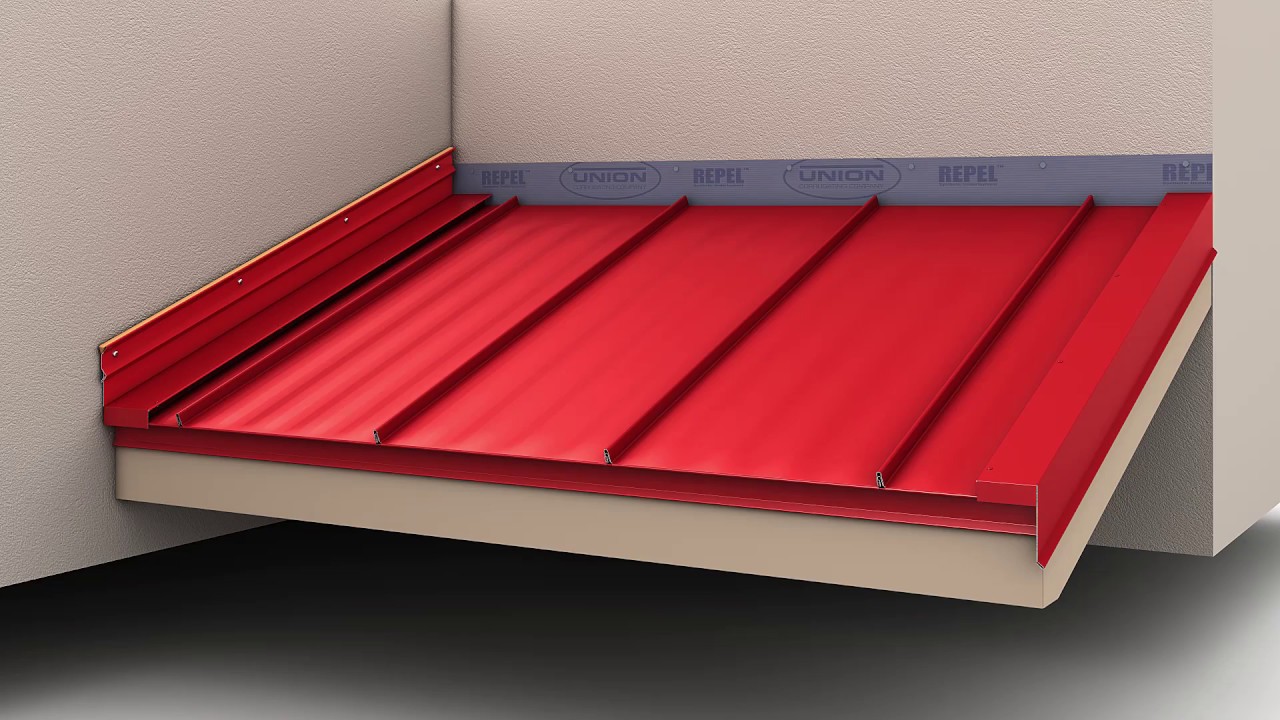
Fast answers still need roof evidence.
We separate the leak, access, schedule, and material questions before a recommendation is priced. Around Duke Health and Duke University occupied-building constraints and Treyburn and Ellis Road industrial roof areas, the right scope often depends on timing as much as material choice.
Start ReviewWhat gets checked.
We document the roof condition in plain language so ownership can choose repair, recovery, coating, or replacement with fewer surprises. The recommendation stays practical: what should be controlled now, what needs pricing, and what deserves a capital plan before the next weather window.
We look at membrane seams, roof drains, edge metal, penetrations, rooftop units, previous repairs, and safe access before pricing work.
What owners receive.
A written scope with photos, limits, schedule notes, and a practical recommendation for repair, recovery, coating, or replacement.
Contact UsRelated Roof Paths
Compare the next decision.
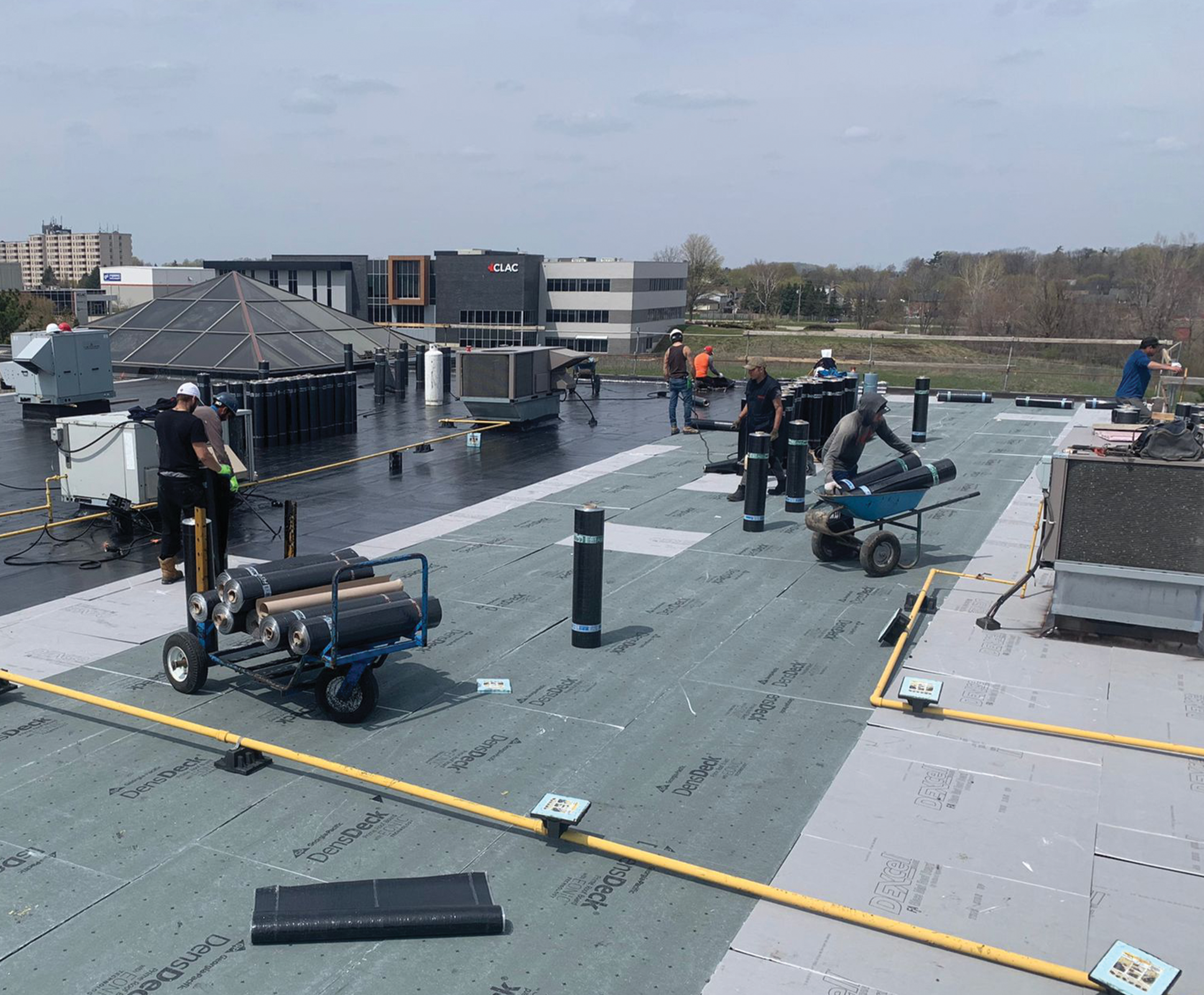
Commercial Roofing
Commercial Roofing starts with roof evidence around Duke Health and Duke University occupied-building constraints. We separate the leak, access, schedule, and material questions before a recommendation is priced.
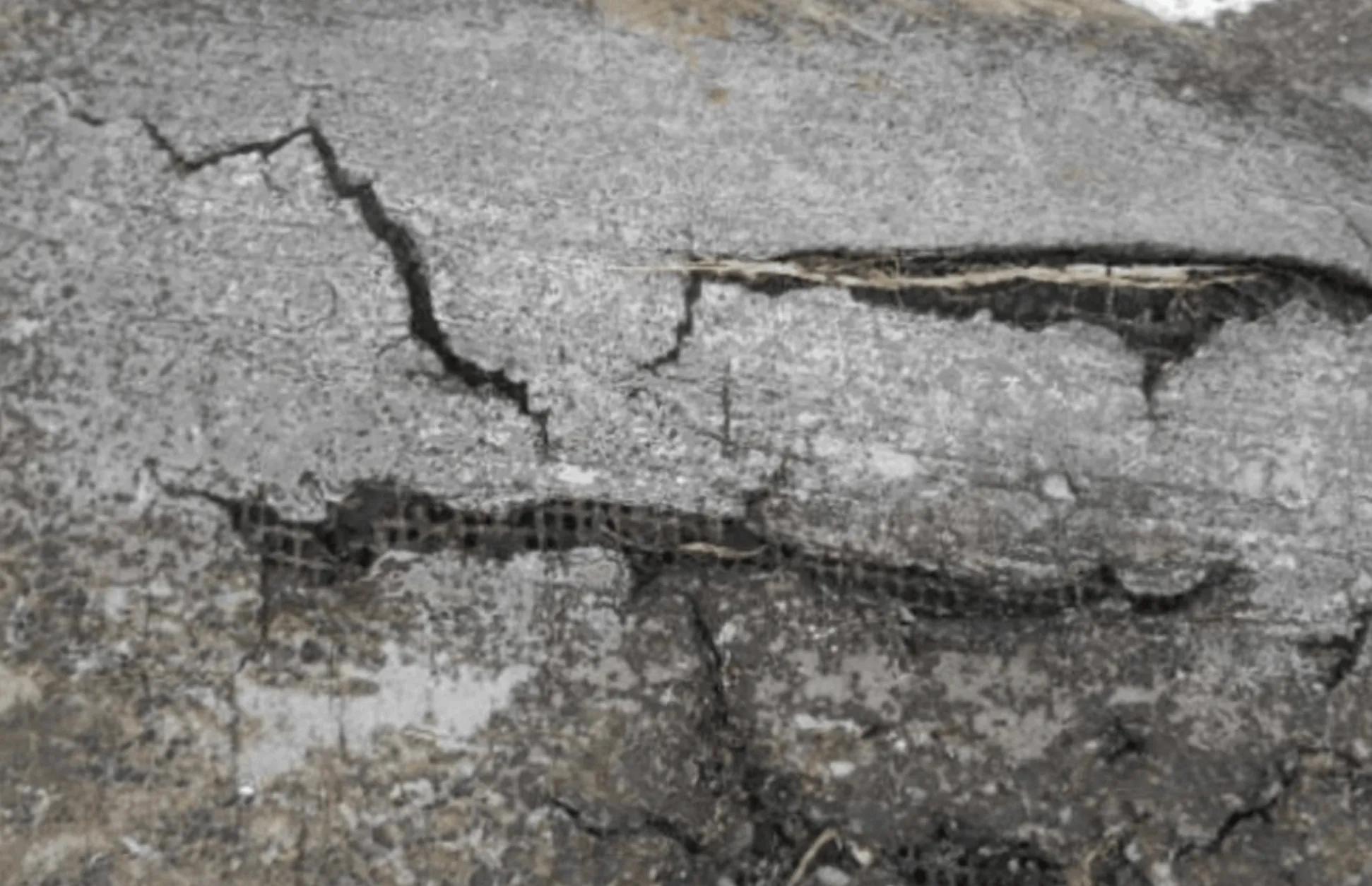
Commercial Roof Leak Repair
Commercial Roof Leak Repair starts with roof evidence around NC-147 and I-40 service-window planning. We document the roof condition in plain language so ownership can choose repair, recovery, coating, or replacement with fewer surprises.

Commercial Roof Replacement
Commercial Roof Replacement starts with roof evidence around American Tobacco Campus roof access and tenant-hour limits. We separate the leak, access, schedule, and material questions before a recommendation is priced.
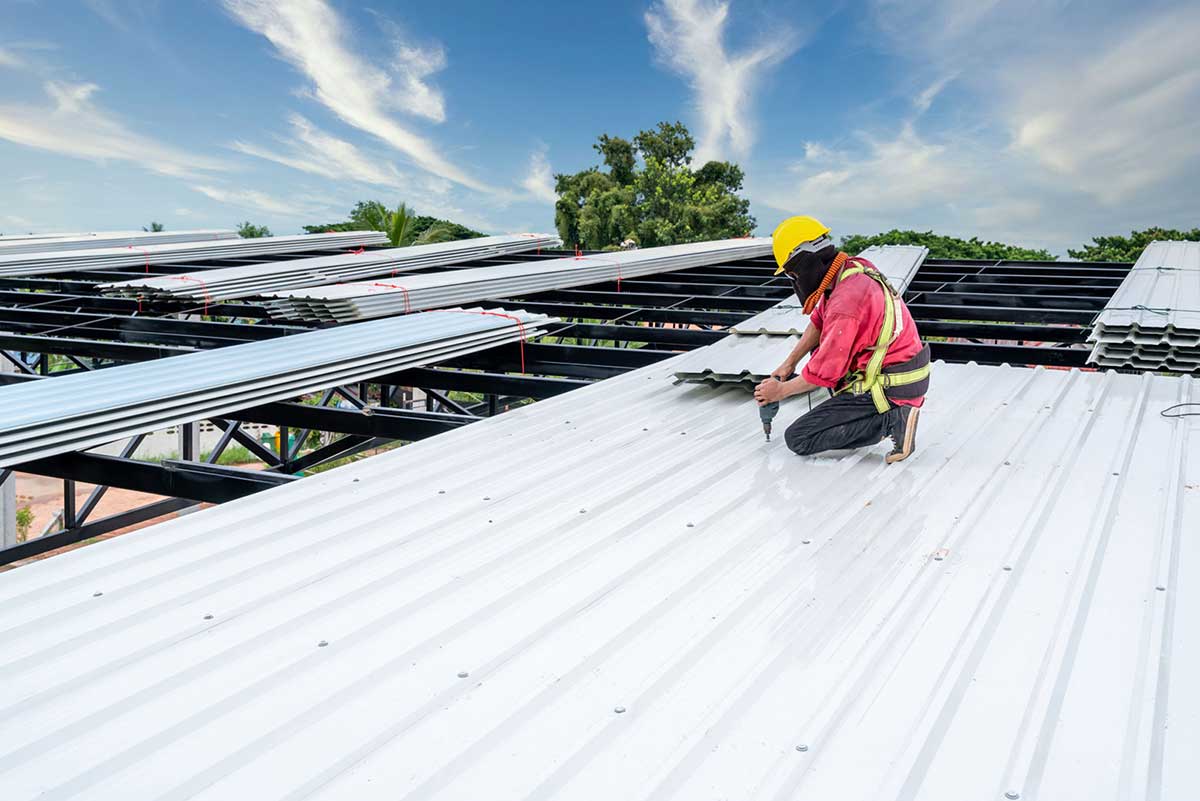
Commercial Re-Roofing
Commercial Re-Roofing starts with roof evidence around Research Triangle Park lab and office schedules. We separate the leak, access, schedule, and material questions before a recommendation is priced.
Services
Skylight and Penetration Flashing for commercial buildings across Durham, Research Triangle Park, Chapel Hill, Raleigh, and the greater Triangle commercial corridor.
Walk any commercial flat roof in Durham and the pattern is consistent: the membrane field is usually in reasonable condition, but the penetrations are where the roof is failing. HVAC curbs, pipe boots, conduit sleeves, vent stacks, gas lines, electrical masts, structural supports — every penetration through a flat roof membrane is a potential leak point, and on a typical commercial building there are dozens of them. Industry data consistently shows that 80 to 90 percent of commercial roof leaks originate at penetrations and flashings rather than in the field membrane, yet penetrations are often the last items addressed when budgets are tight. The result is roofs that are structurally sound and membranously intact except at the ten or fifteen places where something punches through them.
Research Triangle Park's lab and life-science buildings are an extreme version of this challenge. A modern lab building on T.W. Alexander Drive or in HUB RTP can have a rooftop mechanical yard with dozens of HVAC units, exhaust fans, makeup air units, condenser arrays, electrical risers, and pipe penetrations for lab exhaust systems. Each of those is a flashed penetration. As the building ages and equipment gets swapped out — a newer HVAC unit on a slightly different curb footprint, new conduit runs added for a lab buildout, a pipe rerouted during a renovation — the flashings accumulate patchwork and improvisation. We've walked lab roofs in RTP where three generations of flashing work were visible around a single curb, each layer added without removing the previous one.
Skylight flashing is a specific challenge on older Durham commercial buildings. The American Tobacco Campus, the Warehouse District, and Golden Belt conversions often feature original industrial skylights — barrel vaults, sawtooth clerestories, or flat-framed units — that have been reglazed or retrofitted multiple times. The skylight curb and the roof membrane meet at a flashing joint that's subject to thermal cycling as the metal curb expands and contracts at a different rate than the membrane below it. Counterflashing that isn't properly lapped and secured lifts at the edges; base flashing that's been covered with successive coats of lap sealant becomes a rigid mass that cracks when it moves. We strip these back to the substrate and re-flash properly rather than adding another layer.
Curb height matters more than most building owners realize. The standard minimum for HVAC curb height above a finished roof surface is eight inches — enough to keep standing water and wind-driven rain from reaching the base flashing. On older buildings, especially those that have had multiple roof recovers over the original deck, the finished roof surface has risen while the curbs stayed at their original height. A curb that had ten inches of clearance when it was installed may have four inches today. That's a flashing condition that will eventually fail under Triangle rain events, particularly the sustained horizontal rain that comes with hurricane remnants.
Pitch pockets — those open metal collars filled with pour-grade sealant around irregular penetrations like structural supports, pipe clusters, or sign posts — are a maintenance item that gets neglected on many Durham commercial properties. The sealant in a pitch pocket shrinks, cracks, and separates from the metal over time, and the pocket fills with water when it rains. We replace functional pitch pockets with pre-formed pitch pocket covers or, where the penetration geometry allows, re-flash with a proper membrane boot and eliminate the pitch pocket entirely. An empty pitch pocket during a triangle thunderstorm is essentially a funnel into the roof assembly.
Duke Regional Hospital's campus and Durham Technical Community College's main buildings illustrate the institutional version of this problem: aging roofs with decades of added penetrations for HVAC upgrades, technology infrastructure, and building system improvements. Institutional buildings often have maintenance records that show multiple contractors working on the roof over many years, each addressing their own equipment without necessarily restoring the flashing to a consistent standard. A comprehensive penetration survey — photographing and assessing every penetration on the roof, not just the ones currently leaking — gives facilities managers a complete picture of deferred maintenance risk rather than a perpetual game of whack-a-mole with individual leaks.
We approach penetration and flashing work as a repair scope that can be executed without triggering a full re-roof. In most cases, if the field membrane is in sound condition, we can address every penetration flashing on the roof — strip and replace base flashings, install new curb flashings, replace pipe boots, install prefabricated HVAC curb covers, eliminate pitch pockets — and deliver a roof that will perform for another decade. The cost is a fraction of a full replacement, and the result is a roof where the actual leak sources have been eliminated rather than temporarily sealed.
For new penetrations added during building renovations — a new HVAC unit, a new conduit run for a tenant buildout, a new exhaust fan for a kitchen or lab — we provide flashing installation that integrates properly with the existing membrane rather than the quick patch that subcontractors often leave behind. A conduit sleeve added by an electrical contractor during a buildout typically gets a duct-tape-and-sealant treatment that lasts two or three Triangle summers. We replace those with proper membrane-integrated pipe sleeves that match the existing roofing system and maintain the warranty continuity of the roof.
Questions Owners Ask
Almost certainly. Slow, intermittent leaks that don't correspond to a specific rain direction or intensity are characteristic of penetration or flashing failures. Water enters at a small gap in a pipe boot or counterflashing, travels laterally through the insulation layer, and appears at the ceiling well away from the actual entry point. We use a systematic approach to trace these — probing insulation moisture with a moisture meter, working backward from the interior water location, and inspecting every penetration in the likely travel path. We find these leaks; it just takes methodical work.
HVAC contractors are expert at mechanical systems, not roofing membrane integration. A common scenario is that the new curb was flashed with lap sealant and tape rather than integrated membrane flashing, and the sealant failed under UV exposure or thermal movement within one to two Triangle summers. We see this regularly after equipment replacements. The fix is stripping the inadequate flashing back to the membrane and installing proper curb flashing that integrates with the existing system — not just adding more sealant over what's there.
Yes, and this is often the right approach when the field membrane is in sound condition. Penetration and flashing work is scoped and priced separately from membrane replacement. We can address every penetration on a roof — new curb flashings, pipe boots, counterflashings, pitch pocket eliminations — without disturbing the field membrane. The result is a roof where the actual leak sources are resolved, typically at 20 to 40 percent of the cost of a full system replacement.
Annually at minimum, ideally in the fall after hurricane season and before winter ice events. Buildings with high penetration density — lab buildings, hospitals, buildings with multiple rooftop mechanical systems — benefit from semi-annual inspections because there are more potential failure points and more activity on the roof from maintenance contractors. Any time a new penetration is added or equipment is replaced, that specific flashing should be inspected by a roofing contractor before the next significant rain event.
In most cases, yes. If the skylight glazing and frame are structurally sound, the base flashing and counterflashing can be stripped and replaced without disturbing the skylight unit itself. We work with the existing curb profile and integrate new membrane flashing to the current roof surface. The exception is when the curb itself has deteriorated structurally or when repeated previous flashing attempts have compromised the substrate — in those cases, curb reconstruction is necessary before re-flashing, but the skylight unit can still often be retained.
Commercial Roofing of Durham
Questions Owners Ask
We have a slow leak but can't find where it's coming from. Could it be a penetration?
Almost certainly. Slow, intermittent leaks that don't correspond to a specific rain direction or intensity are characteristic of penetration or flashing failures. Water enters at a small gap in a pipe boot or counterflashing, travels laterally through the insulation layer, and appears at the ceiling well away from the actual entry point. We use a systematic approach to trace these — probing insulation moisture with a moisture meter, working backward from the interior water location, and inspecting every penetration in the likely travel path. We find these leaks; it just takes methodical work.
Our HVAC contractor replaced a unit last year and said they flashed it properly. Now it's leaking. What happened?
HVAC contractors are expert at mechanical systems, not roofing membrane integration. A common scenario is that the new curb was flashed with lap sealant and tape rather than integrated membrane flashing, and the sealant failed under UV exposure or thermal movement within one to two Triangle summers. We see this regularly after equipment replacements. The fix is stripping the inadequate flashing back to the membrane and installing proper curb flashing that integrates with the existing system — not just adding more sealant over what's there.
Can you re-flash penetrations without replacing the whole roof?
Yes, and this is often the right approach when the field membrane is in sound condition. Penetration and flashing work is scoped and priced separately from membrane replacement. We can address every penetration on a roof — new curb flashings, pipe boots, counterflashings, pitch pocket eliminations — without disturbing the field membrane. The result is a roof where the actual leak sources are resolved, typically at 20 to 40 percent of the cost of a full system replacement.
How often should penetration flashings be inspected?
Annually at minimum, ideally in the fall after hurricane season and before winter ice events. Buildings with high penetration density — lab buildings, hospitals, buildings with multiple rooftop mechanical systems — benefit from semi-annual inspections because there are more potential failure points and more activity on the roof from maintenance contractors. Any time a new penetration is added or equipment is replaced, that specific flashing should be inspected by a roofing contractor before the next significant rain event.
The skylights at our historic building in the Warehouse District are original. Can they be re-flashed without replacing the skylights?
In most cases, yes. If the skylight glazing and frame are structurally sound, the base flashing and counterflashing can be stripped and replaced without disturbing the skylight unit itself. We work with the existing curb profile and integrate new membrane flashing to the current roof surface. The exception is when the curb itself has deteriorated structurally or when repeated previous flashing attempts have compromised the substrate — in those cases, curb reconstruction is necessary before re-flashing, but the skylight unit can still often be retained.