
Spray Foam Roofing in Durham, NC
We handle spray foam roofing by starting with the roof evidence owners can act on: photos, access limits, drainage notes, wet-area clues, and the operating constraints around NC-147 and I-40 service-window planning.
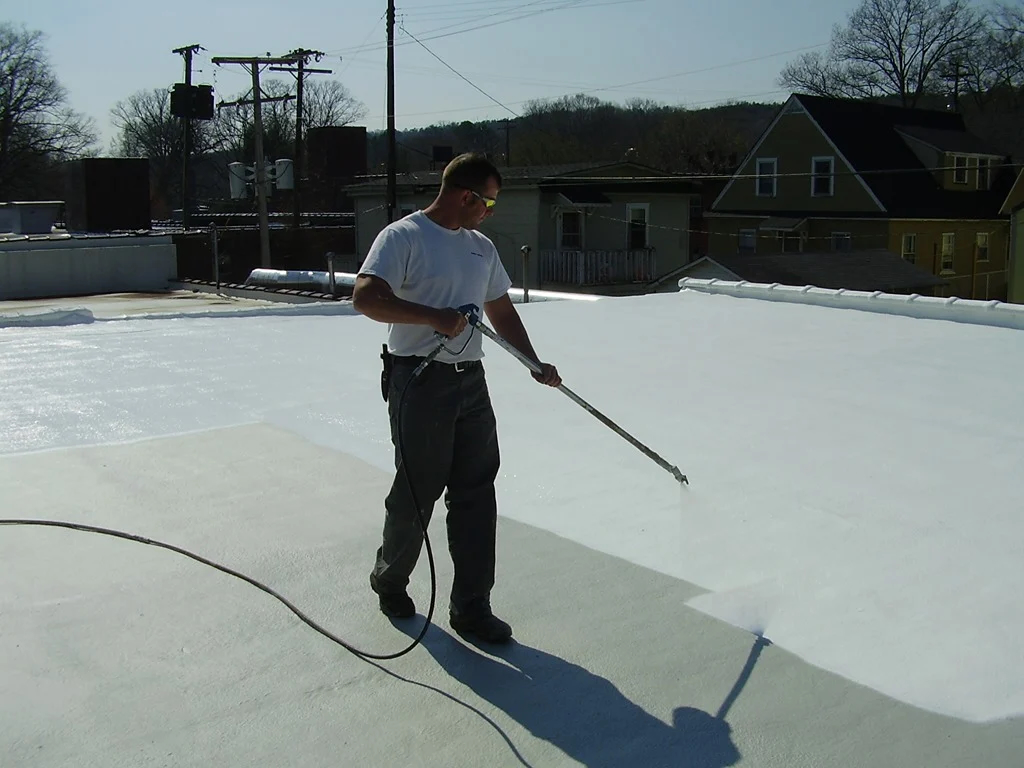
Fast answers still need roof evidence.
We plan the work around active tenants, roof access, weather exposure, and the actual system already on the building. Around Downtown Durham storm-drain and rooftop-equipment density and Golden Belt and Brightleaf adaptive-reuse roof details, the right scope often depends on timing as much as material choice.
Start ReviewWhat gets checked.
We separate the leak, access, schedule, and material questions before a recommendation is priced. The recommendation stays practical: what should be controlled now, what needs pricing, and what deserves a capital plan before the next weather window.
We look at membrane seams, roof drains, edge metal, penetrations, rooftop units, previous repairs, and safe access before pricing work.
What owners receive.
A written scope with photos, limits, schedule notes, and a practical recommendation for repair, recovery, coating, or replacement.
Contact UsRelated Roof Paths
Compare the next decision.
Commercial Roofing
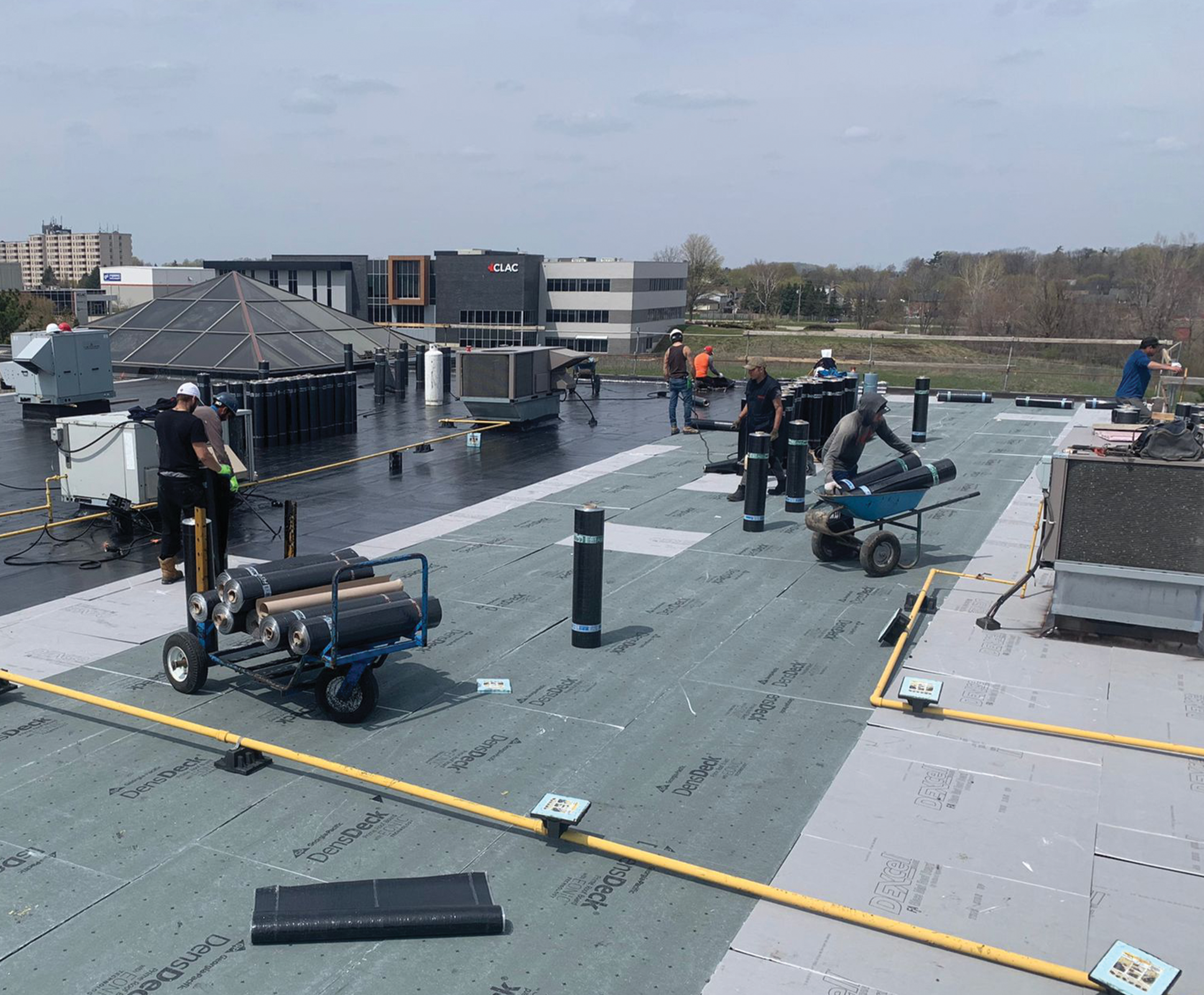
Commercial Roofing starts with roof evidence around Duke Health and Duke University occupied-building constraints. We separate the leak, access, schedule, and material questions before a recommendation is priced.
Commercial Roof Leak Repair
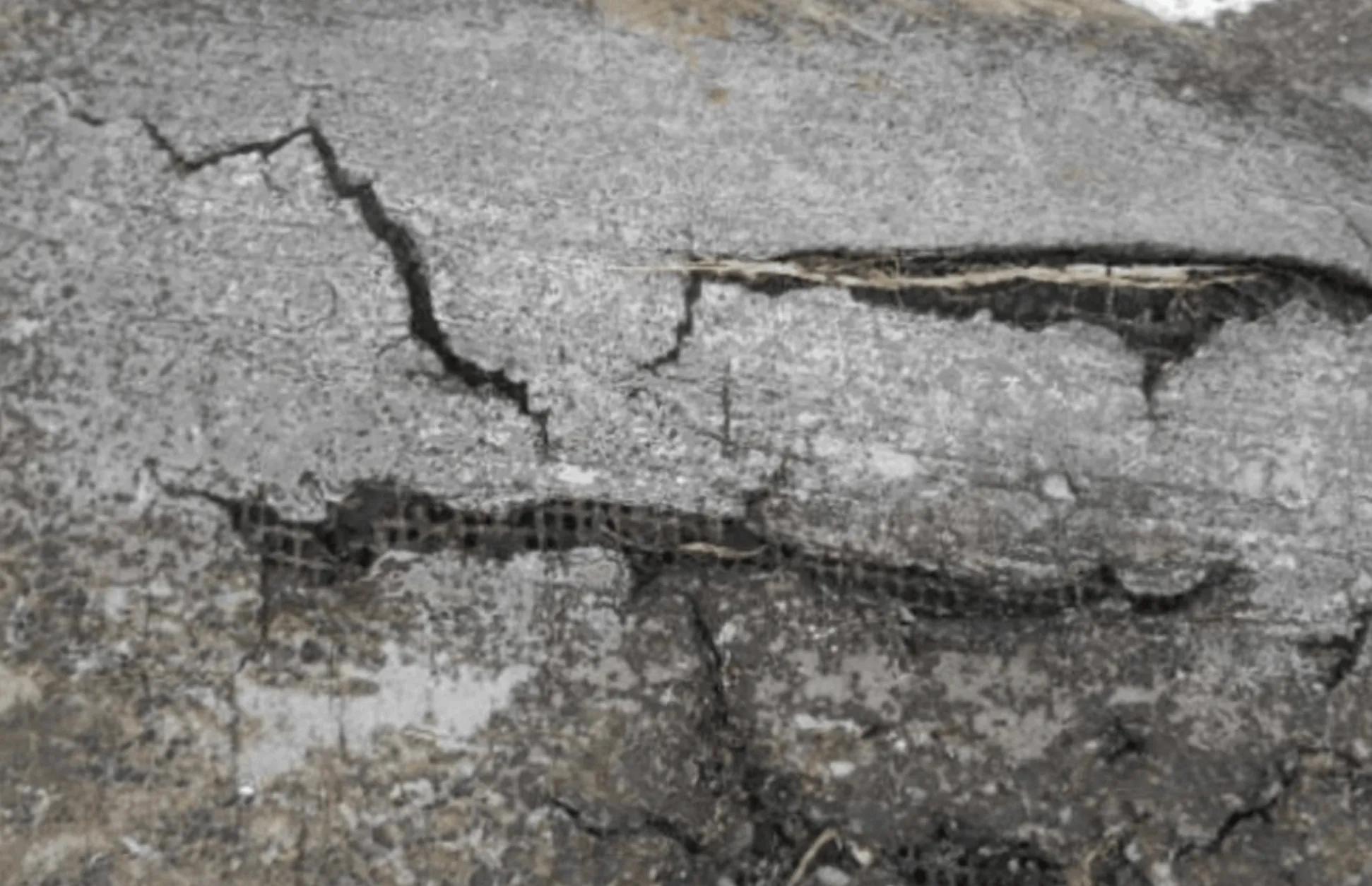
Commercial Roof Leak Repair starts with roof evidence around NC-147 and I-40 service-window planning. We document the roof condition in plain language so ownership can choose repair, recovery, coating, or replacement with fewer surprises.
Commercial Roof Replacement
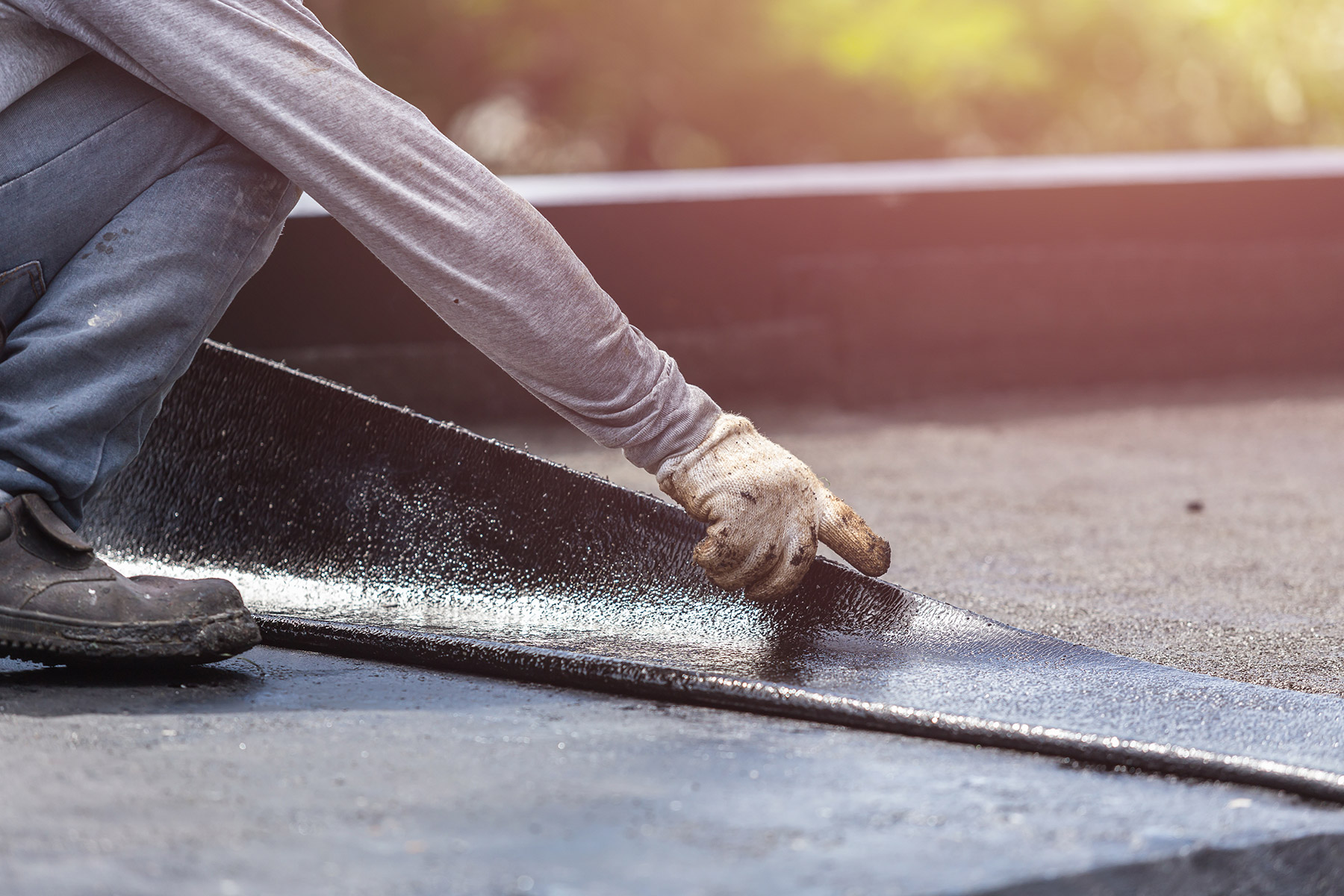
Commercial Roof Replacement starts with roof evidence around American Tobacco Campus roof access and tenant-hour limits. We separate the leak, access, schedule, and material questions before a recommendation is priced.
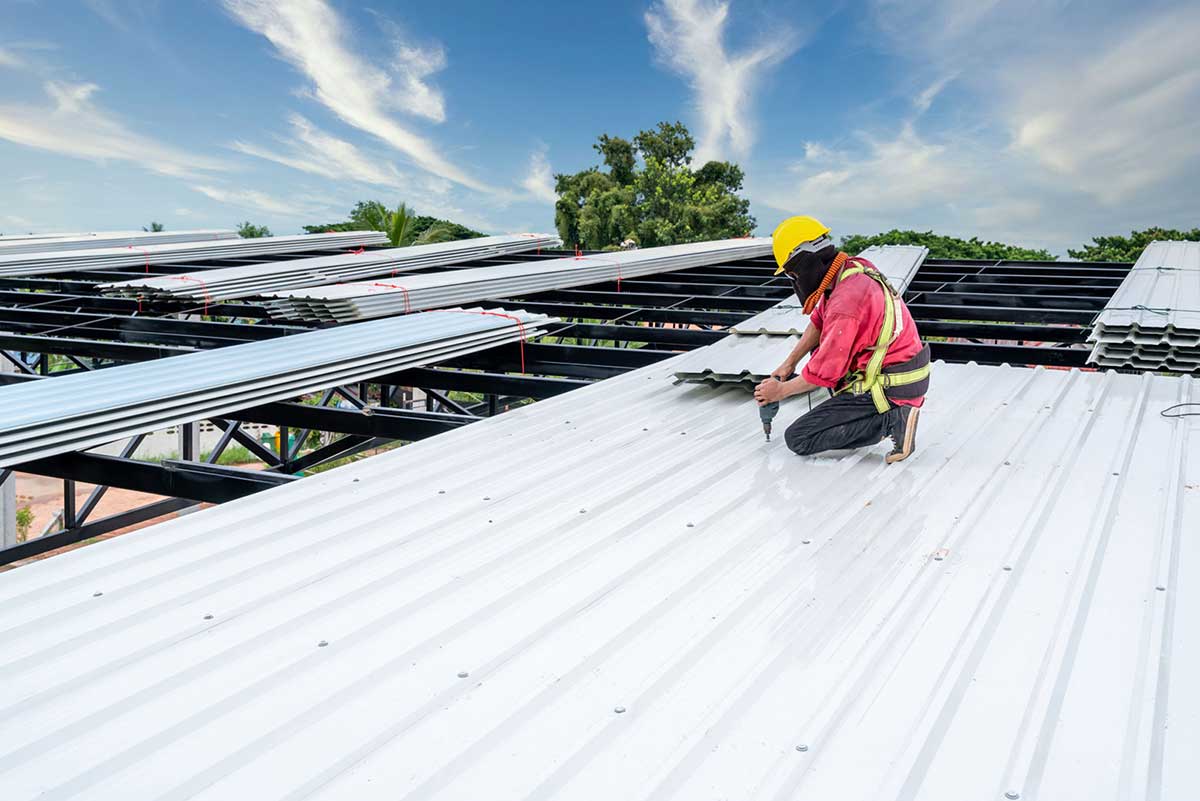
Commercial Re-Roofing
Commercial Re-Roofing starts with roof evidence around Research Triangle Park lab and office schedules. We separate the leak, access, schedule, and material questions before a recommendation is priced.
Services
Spray Foam Roofing for commercial buildings across Durham, Research Triangle Park, Chapel Hill, Raleigh, and the greater Triangle commercial corridor.
Spray polyurethane foam gets overlooked in commercial roofing conversations because it doesn't fit the standard template of membrane rolls and insulation boards. But on the right building — a metal structure with complex geometry, a roof full of penetrations and curbs, or an owner who wants to avoid tear-off while adding meaningful insulation value — SPF solves problems that no membrane system can match as efficiently. We've applied foam on metal building roofs in Treyburn Corporate Park and Imperial Center that had standing seam profiles, multiple HVAC curbs, and skylights that would have made a conventional single-ply installation expensive and seam-heavy. Foam conformed to all of it.
The fundamental advantage of spray foam is that it's seamless. A properly applied and coated SPF system has no laps, no seams, no edge terminations in the field — the foam adheres directly to the substrate and self-flashes around penetrations, curbs, and transitions. In Durham's climate, where 46 inches of annual rain and fast-moving summer storms put constant pressure on every seam and flashing detail, eliminating those details from the equation matters. The failure points that dominate our repair and inspection work on membrane roofs — T-joints, pipe collars, curb corners — simply don't exist on a well-installed SPF system.
The Treyburn Corporate Park and Imperial Center area on Durham's northeast side has a significant concentration of metal building construction — tilt-up concrete and standing-seam metal panels, with flat or low-slope roofs that are often original to the building. Metal buildings flex. The thermal expansion across a 200-foot standing-seam metal roof panel is measurable, and a conventional membrane system mechanically fastened to that substrate is fighting the building's movement constantly. SPF bonds to the metal deck and moves with it; the closed-cell foam structure absorbs the flex rather than fighting it.
Insulation value is where spray foam separates from every membrane-and-board system in a single application. Closed-cell SPF applied at two inches delivers approximately R-12; at three inches, around R-19. That insulation is continuous — no fastener penetrations, no thermal bridges through the insulation plane, no gaps between boards at joints. On an older metal building in the Treyburn area that was built to 1990s energy code with minimal roof insulation, a spray foam re-roofing job simultaneously solves the leaking roof and brings the building's thermal performance into a range that reduces HVAC operating cost. That ROI calculation is what closes a lot of SPF proposals.
The protective coating over the foam is what makes the system weather-resistant. Bare SPF degrades rapidly under UV exposure — within weeks, uncoated foam oxidizes and the surface breaks down. The silicone or acrylic elastomeric coating applied over the cured foam provides the UV protection and the waterproofing. Coating thickness and recoat intervals matter: a properly specified SPF system will need a maintenance recoat — typically 20–30 mils of fresh coating — every 10–15 years to maintain the warranty and keep the foam protected. That recoat is significantly less expensive than a full re-roofing job on any other system.
Application conditions are a real constraint for spray foam work. The two-component SPF mix is sensitive to temperature, humidity, and wind. In Durham's humid summers, morning application windows before the afternoon humidity climbs are often the most reliable. We monitor dew point and substrate temperature before every SPF application — foam applied to a substrate at or near dew point adheres poorly and can delaminate. Late October through early April is generally the most consistent application weather in the Triangle, though summer work is possible with careful scheduling and monitoring.
Roofs with complex geometry benefit most from spray foam. A Durham warehouse or R&D building with multiple equipment platforms, roof hatches, skylights, drain sumps, and penetration clusters is a labor-intensive membrane installation — every transition requires cut and formed membrane material, welded or bonded corners, and careful inspection. The same roof under SPF gets foam applied continuously across all those features, then coated. Fewer details means fewer failure points and faster installation on complex roofs. We've completed SPF projects on mechanically dense rooftops that would have taken twice as long with a membrane crew.
One scenario we evaluate carefully: applying SPF over a roof with existing moisture problems. Spray foam is an excellent recover material over a dry, sound substrate, but it's an effective moisture trap if applied over a substrate that has active moisture infiltration. We take core cuts and, on larger roofs, perform thermal scans before an SPF proposal. If wet zones are identified, those areas need to be removed and dried — or cut out and re-insulated — before foam goes over them. The seamless nature of foam works against you if you seal moisture in at installation.
Questions Owners Ask
The foam itself, once properly applied and coated, is essentially permanent — closed-cell SPF doesn't degrade under the coating. What requires maintenance is the protective elastomeric coating on the surface. A properly specified coating will need a maintenance recoat every 10–15 years to keep the foam protected from UV and maintain the system warranty. With regular recoating, an SPF roofing system can last 30–40 years on the same foam substrate. The recoat cost is substantially less than a membrane re-roofing project, which is part of the long-term value proposition.
Yes — that's one of SPF's primary advantages. Foam adheres to existing metal, modified bitumen, single-ply, and BUR substrates without requiring full tear-off. The conditions are that the existing substrate must be structurally sound, free of active moisture infiltration, and properly cleaned and primed. We take core cuts to confirm insulation moisture content before approving an SPF recover. If wet zones are identified, those areas need to be addressed before foam is applied — sealing moisture under foam accelerates substrate deterioration rather than solving it.
Standing water is a concern on any SPF installation if the coating selection isn't matched to the drainage pattern. Silicone coatings are the correct choice for low-slope roofs that hold water — silicone maintains its adhesion and waterproofing properties in sustained contact with water. Acrylic coatings should not be used on roofs that pond. Durham's rainfall pattern — including hurricane-remnant events that can leave water standing on low-slope roofs for hours — makes silicone coating the standard recommendation for most SPF applications on flat commercial roofs here.
SPF application requires a two-component spray rig and trained applicators working in sections across the roof. Overspray is a real concern — foam particles can drift in wind and adhere to anything they contact, including vehicles, HVAC equipment, and adjacent building surfaces. We establish a spray perimeter, monitor wind conditions throughout the job, and mask equipment and edges as needed. Application is typically faster than membrane installation on complex roofs, and the building can remain occupied during the work in most cases. Coating application follows after the foam has cured, usually the next day.
Minor coating damage — foot traffic abrasion, isolated punctures from dropped tools, small cracks from impact — is repaired by cleaning the area and applying compatible coating material. The repair integrates seamlessly because you're applying the same liquid-applied product. Larger foam damage from a significant impact requires foam patching with two-component SPF, followed by coating. Because the system is seamless, repairs don't create lap edges or termination points — a well-done SPF repair is essentially invisible after the coating cures. This is one area where foam repair is genuinely simpler than membrane repair.
Commercial Roofing of Durham
Questions Owners Ask
How long does a spray foam roof last?
The foam itself, once properly applied and coated, is essentially permanent — closed-cell SPF doesn't degrade under the coating. What requires maintenance is the protective elastomeric coating on the surface. A properly specified coating will need a maintenance recoat every 10–15 years to keep the foam protected from UV and maintain the system warranty. With regular recoating, an SPF roofing system can last 30–40 years on the same foam substrate. The recoat cost is substantially less than a membrane re-roofing project, which is part of the long-term value proposition.
Can spray foam be applied over my existing roof without tear-off?
Yes — that's one of SPF's primary advantages. Foam adheres to existing metal, modified bitumen, single-ply, and BUR substrates without requiring full tear-off. The conditions are that the existing substrate must be structurally sound, free of active moisture infiltration, and properly cleaned and primed. We take core cuts to confirm insulation moisture content before approving an SPF recover. If wet zones are identified, those areas need to be addressed before foam is applied — sealing moisture under foam accelerates substrate deterioration rather than solving it.
Is spray foam appropriate for flat roofs that hold water after heavy rain?
Standing water is a concern on any SPF installation if the coating selection isn't matched to the drainage pattern. Silicone coatings are the correct choice for low-slope roofs that hold water — silicone maintains its adhesion and waterproofing properties in sustained contact with water. Acrylic coatings should not be used on roofs that pond. Durham's rainfall pattern — including hurricane-remnant events that can leave water standing on low-slope roofs for hours — makes silicone coating the standard recommendation for most SPF applications on flat commercial roofs here.
What does the spray foam application process look like, and how disruptive is it?
SPF application requires a two-component spray rig and trained applicators working in sections across the roof. Overspray is a real concern — foam particles can drift in wind and adhere to anything they contact, including vehicles, HVAC equipment, and adjacent building surfaces. We establish a spray perimeter, monitor wind conditions throughout the job, and mask equipment and edges as needed. Application is typically faster than membrane installation on complex roofs, and the building can remain occupied during the work in most cases. Coating application follows after the foam has cured, usually the next day.
How do repairs work on a spray foam roof if the coating gets damaged?
Minor coating damage — foot traffic abrasion, isolated punctures from dropped tools, small cracks from impact — is repaired by cleaning the area and applying compatible coating material. The repair integrates seamlessly because you're applying the same liquid-applied product. Larger foam damage from a significant impact requires foam patching with two-component SPF, followed by coating. Because the system is seamless, repairs don't create lap edges or termination points — a well-done SPF repair is essentially invisible after the coating cures. This is one area where foam repair is genuinely simpler than membrane repair.