
Standing Seam Metal Roofing in Durham, NC
We handle standing seam metal roofing by starting with the roof evidence owners can act on: photos, access limits, drainage notes, wet-area clues, and the operating constraints around Duke Health and Duke University occupied-building constraints.
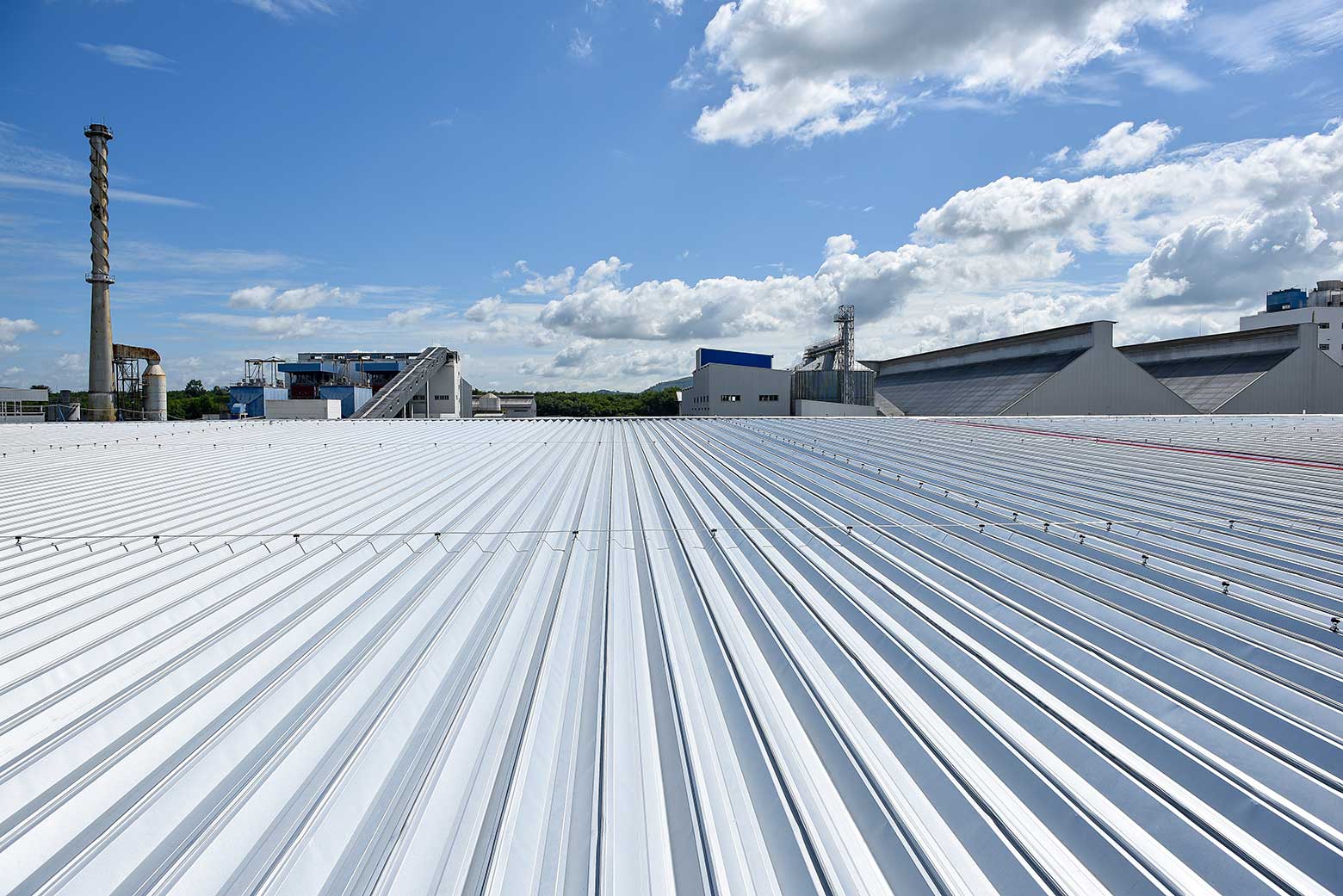
Fast answers still need roof evidence.
We separate the leak, access, schedule, and material questions before a recommendation is priced. Around Treyburn and Ellis Road industrial roof areas and humid Piedmont summers and quick freeze-thaw swings, the right scope often depends on timing as much as material choice.
Start ReviewWhat gets checked.
We document the roof condition in plain language so ownership can choose repair, recovery, coating, or replacement with fewer surprises. The recommendation stays practical: what should be controlled now, what needs pricing, and what deserves a capital plan before the next weather window.
We look at membrane seams, roof drains, edge metal, penetrations, rooftop units, previous repairs, and safe access before pricing work.
What owners receive.
A written scope with photos, limits, schedule notes, and a practical recommendation for repair, recovery, coating, or replacement.
Contact UsRelated Roof Paths
Compare the next decision.
Commercial Roofing
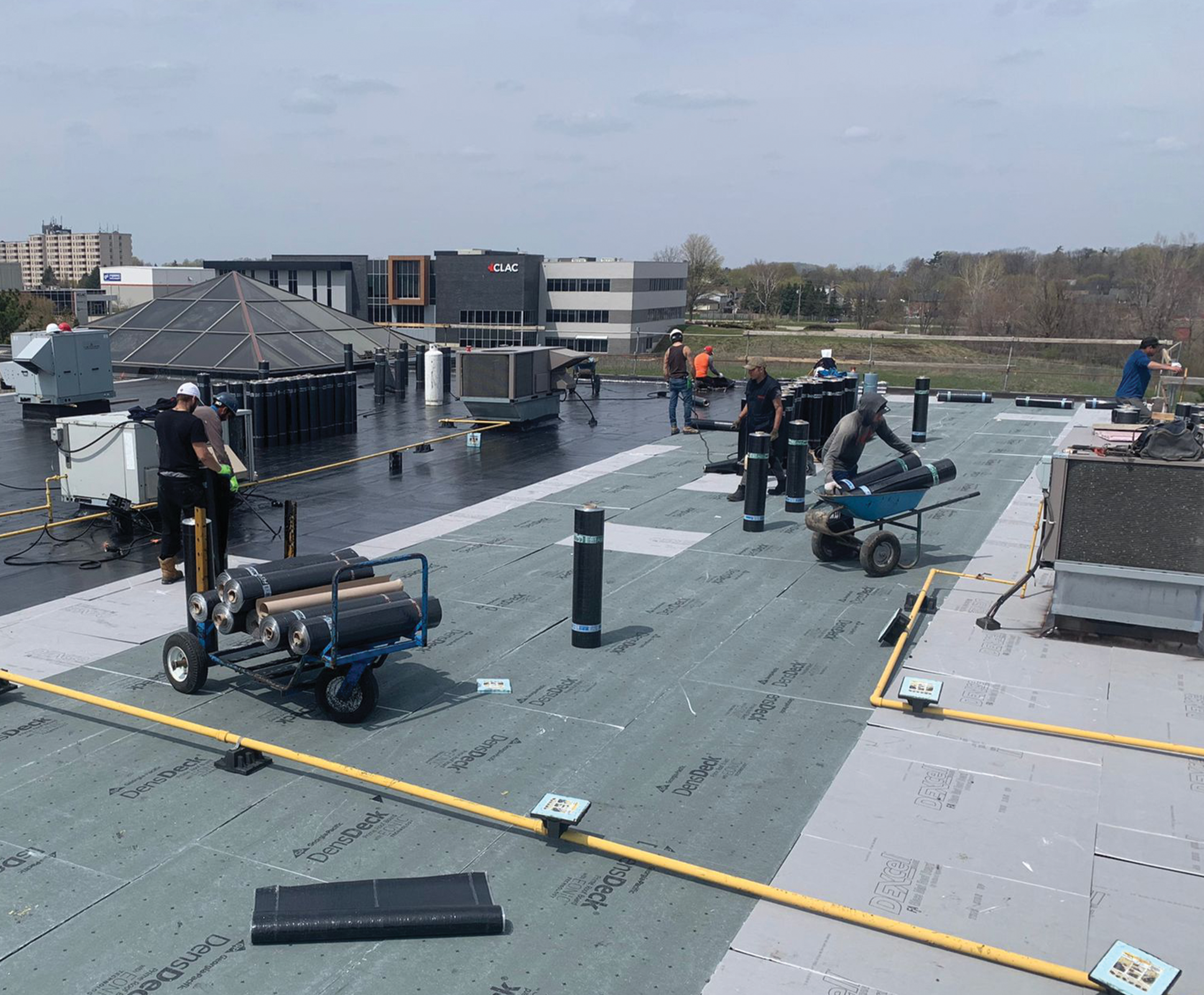
Commercial Roofing starts with roof evidence around Duke Health and Duke University occupied-building constraints. We separate the leak, access, schedule, and material questions before a recommendation is priced.
Commercial Roof Leak Repair
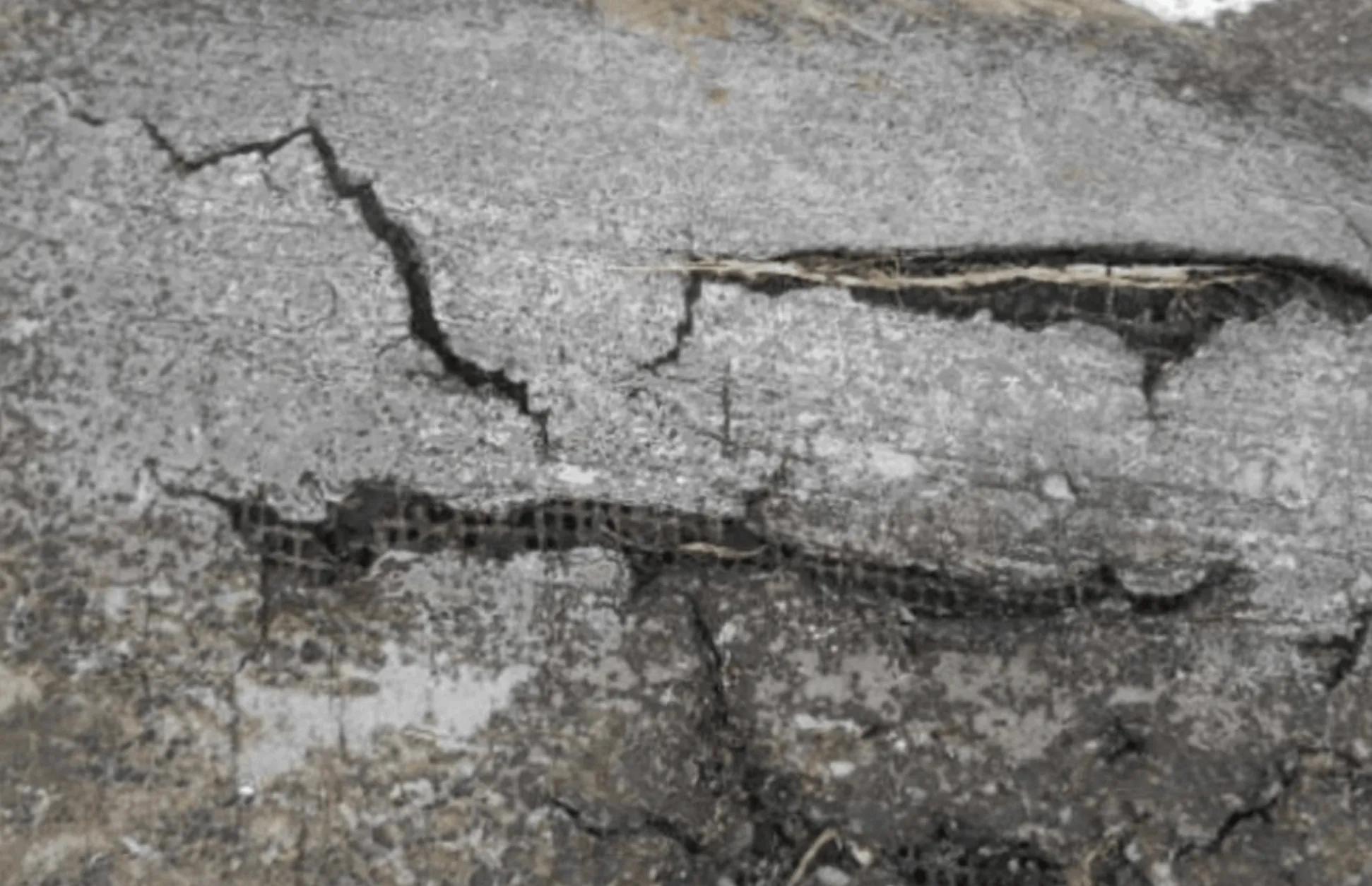
Commercial Roof Leak Repair starts with roof evidence around NC-147 and I-40 service-window planning. We document the roof condition in plain language so ownership can choose repair, recovery, coating, or replacement with fewer surprises.
Commercial Roof Replacement
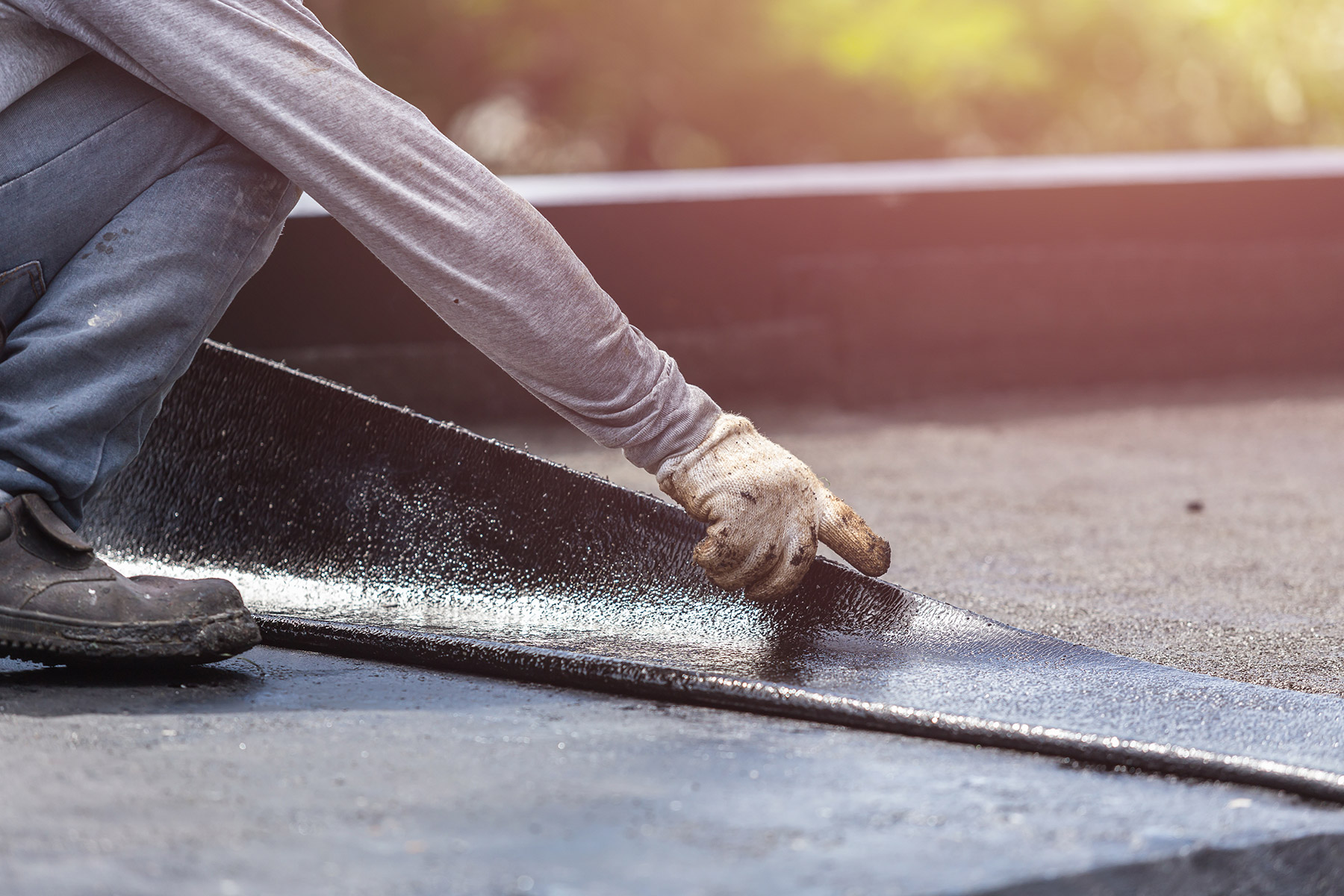
Commercial Roof Replacement starts with roof evidence around American Tobacco Campus roof access and tenant-hour limits. We separate the leak, access, schedule, and material questions before a recommendation is priced.
Commercial Re-Roofing
Commercial Re-Roofing starts with roof evidence around Research Triangle Park lab and office schedules. We separate the leak, access, schedule, and material questions before a recommendation is priced.
Services
Standing Seam Metal Roofing for commercial buildings across Durham, Research Triangle Park, Chapel Hill, Raleigh, and the greater Triangle commercial corridor.
Standing seam metal roofing shows up on the buildings in the Triangle that were built to last and built to be seen. Corporate headquarters buildings in Research Triangle Park, medical office buildings near Duke University Health System, civic facilities, and the newer mixed-use developments in downtown Durham's Warehouse District all use standing seam systems for the same reasons: concealed fasteners mean no penetration points in the field of the roof, thermal movement is managed by the clip-and-seam geometry rather than by rubber washers fighting metal movement, and the system — when properly specified and installed — carries a realistic 40-to-50-year service life. That's a very different value proposition than exposed-fastener panel.
The standing seam systems we see most in the RTP corporate campus environment are mechanically seamed 24-gauge Kynar-coated steel panels, typically 16 or 18 inches wide, on steel framing. HUB RTP, Boxyard RTP, and the institutional buildings along T.W. Alexander Drive represent the range — from re-purposed industrial structures with standing seam retrofit roofs to purpose-built corporate facilities where the standing seam was part of the original architectural specification. Each has different substrate framing conditions, different panel spans, and different thermal performance requirements. There's no such thing as a one-size-fits-all standing seam assessment.
Thermal movement is the design variable that separates a well-engineered standing seam system from a problem waiting to happen. A 200-foot run of steel panel on a south-facing slope in Durham will expand and contract more than an inch over the course of a year as temperatures swing from below freezing in January to 95°F roof-surface temperatures in July. The floating clip system is supposed to accommodate this movement. When clips are improperly spaced, when panels are field-bent in ways that constrain movement, or when the system is attached at the eave and ridge in a way that locks the panel and forces it to buckle, you get oil-canning, seam fatigue, and eventually seam failures. We see this on 10-to-15-year-old systems where the installer understood the product but not the thermal movement engineering.
Substrate framing condition is the first thing we evaluate on any standing seam repair, re-roof, or new installation. On steel-framed buildings — which is most of the commercial stock in the Triangle industrial and corporate campus environment — we're checking purlin spacing relative to the panel's structural span capability, checking that the framing is true and not deflected from load or settlement, and verifying that any existing insulation over the framing (typically polyiso on commercial standing seam) is sound. A panel system that performs beautifully on flat, properly-spaced purlins will show waves and oil-canning on deflected or uneven framing. The framing problem has to be corrected before panel goes down, or the panel is just covering up a structural issue.
Medical office buildings and institutional facilities near Duke Regional Hospital and Duke University present a specific set of standing seam challenges: complex rooflines with multiple slopes, dormers, mechanical equipment clusters, and an expectation of watertight performance because the spaces below can't tolerate any moisture events. The concealed fastener geometry of standing seam handles complex rooflines better than exposed-fastener panel — you can work through valleys, transitions, and hips with appropriate flashing details — but those transitions are exactly where failures occur if the installer cuts corners. We document every penetration, every transition flashing, and every valley detail during installation on institutional projects because those are the points the warranty will eventually be tested against.
Aluminum standing seam is specified on some coastal and high-corrosion applications, but in the Triangle we primarily work with steel. The galvanic isolation between aluminum panel and steel framing becomes a maintenance item over time in humid environments, and the material cost premium rarely pencils out for inland Triangle locations that don't face the salt-air environment driving coastal aluminum specs. Cor-Ten steel panels have been used on some of the architectural projects near downtown Durham's Brightleaf District and Golden Belt campus — the weathering steel aesthetic works with the industrial-converted building character — but Cor-Ten requires careful drainage planning since the initial rust runoff can stain adjacent materials.
Re-roofing over existing standing seam is possible when the existing panels are geometrically sound but the coating system has failed. A full re-coat of a standing seam system — cleaning, priming, applying a quality elastomeric coating into and over the seams — can extend service life significantly on a sound panel. This is often the right call for early-2000s standing seam on RTP corporate buildings where the Kynar finish is chalking and fading but the panel metal is intact. If the seams have opened from thermal fatigue or the clip system has failed and panels are moving, repair or replacement is more appropriate than coating.
Warranty structures on new standing seam systems are more complex than on membrane roofing. You have a manufacturer's material warranty on the coating and panel metal, a manufacturer's system warranty if the installer is certified, and a contractor's workmanship warranty. RTP building owners and facility managers familiar with membrane roofing NDL warranty structures sometimes expect the same in metal roofing and are surprised to find the warranty landscape different. We walk through warranty terms with every client before scope is finalized — a 40-year panel warranty that doesn't cover the coating failure driving your replacement decision isn't the warranty you thought you had.
New standing seam installation on occupied facilities is highly manageable compared to membrane tear-off work — there's no torch, no adhesive odor, no wet debris, and the work is entirely above the exterior roof plane. Phasing a standing seam re-roof on a Durham corporate campus building while tenants are in occupancy is a realistic project structure, and we've executed that on multiple RTP buildings without tenant disruption. The key planning item is crane or lift access given the panel bundle weights and lengths — a 200-foot panel run weighs significantly, and the site access plan has to be part of the pre-construction conversation.
Questions Owners Ask
The material cost premium is real — standing seam panel typically runs 30-50% more than R-panel per square foot installed, and more on complex rooflines where the detail work is intensive. The lifecycle math changes the comparison, though. A standing seam system properly installed and maintained has a realistic 40-50 year service life with no fastener replacement cycle and significantly lower annual maintenance cost. If you're making a 30-year-hold decision on a corporate or institutional building, the annualized cost of standing seam is often competitive with R-panel when you account for the R-panel re-fastening and coating cycles. For short-hold industrial buildings, R-panel is probably still the right answer.
Oil-canning is the visible waviness in the flat field of a metal panel, named for the flexing sound and appearance of an old tin can. It's primarily a cosmetic issue caused by residual stress in the panel from roll-forming, improper clip spacing, framing unevenness, or panels that are slightly too wide for their span. Mild oil-canning doesn't compromise weather performance or structural integrity. Severe oil-canning that results from constrained thermal movement can eventually stress the seam — that's when it becomes a performance issue. We evaluate it in context during any standing seam inspection rather than treating it categorically as either harmless or serious.
Most standing seam manufacturer warranties require documented periodic inspection — typically annual or biannual — and require that any observed deficiencies be addressed promptly. The practical maintenance items are: clearing debris from valleys and gutters to prevent ponding and biological growth, inspecting sealant at all penetration boots and transition flashings (sealant fails before panel), checking that no HVAC or other roof-mounted equipment has been modified in a way that adds new penetrations, and documenting the roof condition with photos. We provide formal inspection reports that satisfy warranty documentation requirements for corporate campus owners who need the paper trail.
Yes, and it's done fairly often on institutional and commercial buildings where the owner wants to upgrade to a metal system without the cost and disruption of full tear-off. A standing seam retrofit system uses a sub-framing structure installed over the existing membrane to create the purlin grid, and new standing seam panel is installed over it. The existing membrane becomes a secondary water barrier. This approach works when the existing deck is structurally sound and the added dead load (sub-framing plus panel) is within the structural capacity of the building. We require a structural review before proposing any retrofit system — the math has to confirm the building can carry the load.
Probably not. Penetration flashings and sealant at pipe boots, HVAC curbs, and skylights are the first failure points on any standing seam system, and they almost always fail well before the panel itself. On a 15-year-old roof with otherwise sound panel and seams, targeted flashing repair and penetration re-detailing is usually the right scope — not full replacement. We do a systematic condition assessment first, document every penetration, and identify whether the failures are isolated to the sealant/flashing details or whether there are seam issues in the field. The vast majority of 15-year-old Triangle standing seam systems we see need flashing work, not new roofs.
Commercial Roofing of Durham
Questions Owners Ask
Why is standing seam so much more expensive than R-panel, and is it worth it?
The material cost premium is real — standing seam panel typically runs 30-50% more than R-panel per square foot installed, and more on complex rooflines where the detail work is intensive. The lifecycle math changes the comparison, though. A standing seam system properly installed and maintained has a realistic 40-50 year service life with no fastener replacement cycle and significantly lower annual maintenance cost. If you're making a 30-year-hold decision on a corporate or institutional building, the annualized cost of standing seam is often competitive with R-panel when you account for the R-panel re-fastening and coating cycles. For short-hold industrial buildings, R-panel is probably still the right answer.
What does "oil-canning" mean, and is it a structural problem?
Oil-canning is the visible waviness in the flat field of a metal panel, named for the flexing sound and appearance of an old tin can. It's primarily a cosmetic issue caused by residual stress in the panel from roll-forming, improper clip spacing, framing unevenness, or panels that are slightly too wide for their span. Mild oil-canning doesn't compromise weather performance or structural integrity. Severe oil-canning that results from constrained thermal movement can eventually stress the seam — that's when it becomes a performance issue. We evaluate it in context during any standing seam inspection rather than treating it categorically as either harmless or serious.
How do I maintain a standing seam roof to protect the warranty?
Most standing seam manufacturer warranties require documented periodic inspection — typically annual or biannual — and require that any observed deficiencies be addressed promptly. The practical maintenance items are: clearing debris from valleys and gutters to prevent ponding and biological growth, inspecting sealant at all penetration boots and transition flashings (sealant fails before panel), checking that no HVAC or other roof-mounted equipment has been modified in a way that adds new penetrations, and documenting the roof condition with photos. We provide formal inspection reports that satisfy warranty documentation requirements for corporate campus owners who need the paper trail.
Can standing seam be installed over an existing membrane roof?
Yes, and it's done fairly often on institutional and commercial buildings where the owner wants to upgrade to a metal system without the cost and disruption of full tear-off. A standing seam retrofit system uses a sub-framing structure installed over the existing membrane to create the purlin grid, and new standing seam panel is installed over it. The existing membrane becomes a secondary water barrier. This approach works when the existing deck is structurally sound and the added dead load (sub-framing plus panel) is within the structural capacity of the building. We require a structural review before proposing any retrofit system — the math has to confirm the building can carry the load.
My standing seam roof is about 15 years old and has some leaks at penetrations. Does the whole roof need replacement?
Probably not. Penetration flashings and sealant at pipe boots, HVAC curbs, and skylights are the first failure points on any standing seam system, and they almost always fail well before the panel itself. On a 15-year-old roof with otherwise sound panel and seams, targeted flashing repair and penetration re-detailing is usually the right scope — not full replacement. We do a systematic condition assessment first, document every penetration, and identify whether the failures are isolated to the sealant/flashing details or whether there are seam issues in the field. The vast majority of 15-year-old Triangle standing seam systems we see need flashing work, not new roofs.